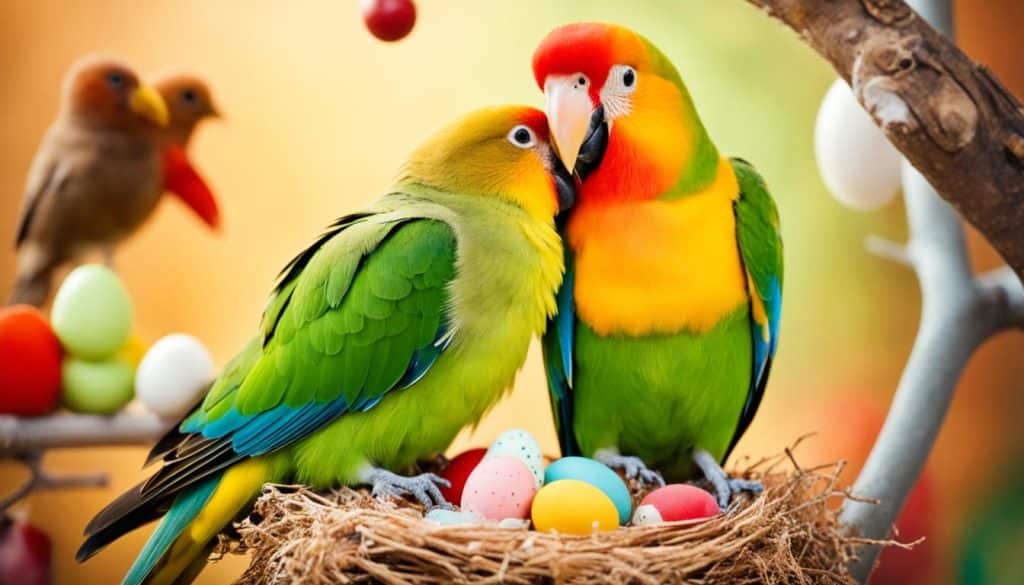
Welcome to our guide on understanding lovebirds! In this section, we will delve into the world of these fascinating birds, exploring their care needs, behavior, different species, breeding habits, diet, lifespan, the importance of toys for their well-being, and how to train them. Whether you’re a first-time lovebird owner or a seasoned enthusiast, we’re here to provide you with valuable insights and tips for creating a loving and fulfilling relationship with your beloved feathered friends.
Key Takeaways:
- Lovebirds require proper care, attention, and a nurturing environment to thrive.
- Understanding lovebird behavior will help you bond better with your birds and provide appropriate care.
- There are different species of lovebirds, each with unique characteristics and colors.
- Breeding lovebirds requires careful planning and knowledge of their courtship behaviors.
- A balanced diet is crucial to the health and longevity of lovebirds.
For more information on lovebirds and to stay updated on upcoming events near you, contact us at 619-281-7387 or visit our website today. We look forward to assisting you and helping you build a lifelong bond with your feathered friends.
Lovebird Care: Providing a Healthy Environment
Lovebirds are delightful companions that deserve a nurturing environment to ensure their well-being and happiness. Creating a healthy home for your lovebirds involves various key aspects that contribute to their overall care and thriving. In this section, we will discuss these essential factors to help you provide the best care for your feathered friends.
The Right Cage Size
One of the fundamental elements of lovebird care is providing a suitable cage size. Lovebirds need enough space to move around comfortably, stretch their wings, and exercise. Opt for a cage that is spacious and allows ample room for them to hop, climb, and play. A general guideline is a minimum cage size of 18x18x24 inches for a single lovebird and larger dimensions for pairs or groups.
Bedding and Nesting Materials
Choosing the right bedding and nesting materials is crucial for maintaining a clean and hygienic cage environment. Opt for bird-safe materials such as newspaper, paper-based bedding, or corn cob litter. Avoid using cedar chips, as they can release harmful fumes. Additionally, providing nesting materials like shredded paper or untreated grass can mimic their natural habitat and enhance their nesting instincts.
Temperature and Humidity
Lovebirds thrive in a stable and moderate temperature range. Ideally, keep their environment between 70-80°F (21-27°C) to ensure their comfort. Avoid exposing them to drafts, direct sunlight, or extreme temperature fluctuations. Additionally, lovebirds appreciate a slightly higher humidity level, about 50-60%. You can achieve this by using a humidifier or placing a shallow dish of water near their cage.
Regular Cleaning
Maintaining a clean environment is essential for the health and well-being of your lovebirds. Regularly clean their cage to remove droppings, uneaten food, and replace soiled bedding. Thoroughly wash and disinfect their food and water dishes to prevent the growth of harmful bacteria. A clean and fresh environment will promote good health and reduce the risk of infections.
In conclusion, providing a healthy environment is vital for lovebird care. By ensuring the right cage size, choosing appropriate bedding and nesting materials, maintaining optimal temperature and humidity levels, and regular cleaning, you can create a safe and nurturing home for your cherished lovebirds. Stay tuned as we dive deeper into understanding lovebird behavior in the next section.
Understanding Lovebird Behavior
Lovebirds, with their vibrant colors and playful nature, exhibit a wide range of behaviors that can provide insight into their emotions and needs. By understanding lovebird behavior, you can develop a deeper connection with your feathered friends and ensure their well-being.
Body Language:
Lovebirds use various body language cues to express their feelings. Pay attention to the positioning of their feathers, posture, and eye size to interpret their mood. For example, an alert and friendly lovebird will have feathers neatly arranged, stand upright, and have bright, wide-open eyes. In contrast, a stressed or aggressive lovebird may have ruffled feathers, hunched posture, and narrowed eyes.
Vocalizations:
Lovebirds communicate through a range of vocalizations, including chirping, squawking, and whistling. Each vocalization has a unique meaning, such as calling for attention, expressing happiness, or warning of danger. By familiarizing yourself with their different vocalizations, you can better understand your lovebird’s wants and needs.
Flock Mentality:
Lovebirds are highly social birds that exhibit a strong flock mentality. They form strong bonds with their mate or human companion and may become stressed or lonely when left alone for extended periods. Providing your lovebird with regular social interaction and companionship is essential for their happiness and emotional well-being.
Common Behavioral Patterns:
Lovebirds engage in certain behavioral patterns that are typical of their species. These include preening, nesting, playing, and exploring their environment. Understanding their natural instincts and behaviors will help you create an enriching environment that caters to their needs.
Caring for Lovebird Behavior:
To ensure the well-being of your lovebird and foster a strong bond, consider the following tips:
- Provide ample socialization and interactive playtime to keep your lovebird mentally stimulated.
- Offer a variety of toys and activities, such as swings, bells, and puzzles, to keep your lovebird engaged and entertained.
- Create a safe and comfortable environment, with plenty of perches and hiding spots, to mimic their natural habitat.
- Establish a consistent daily routine to provide a sense of security and predictability for your lovebird.
- Be patient and gentle when training your lovebird, using positive reinforcement methods to encourage good behavior.
By understanding lovebird behavior and providing a nurturing environment, you can ensure the happiness and well-being of these delightful companions.
For a visual representation of lovebird behavior, refer to the table below:
| Behavior | Description |
|---|---|
| Preening | Lovebirds groom their feathers and each other as a way of bonding. |
| Nesting | Lovebirds build nests using materials like twigs and leaves, signaling their readiness to breed. |
| Playing | Lovebirds enjoy playing with toys, exploring their environment, and engaging in interactive activities. |
| Feeding | Lovebirds have a natural foraging instinct and enjoy investigating their food while eating. |
| Chirping | Lovebirds use different chirping patterns to communicate with their flock members and express various emotions. |
Understanding the unique behaviors of lovebirds allows you to provide optimal care and establish a strong bond with these delightful companions. Give us a call at 619-281-7387 for more information on our next big event near you, or simply contact us online today to get tickets. We look forward to seeing you there!
Exploring Lovebird Species
Lovebirds are known for their vibrant colors and charming personalities. In this section, we will take a closer look at some of the most popular lovebird species, each with its own unique traits and characteristics.
Peach-faced Lovebird
The Peach-faced Lovebird (Agapornis roseicollis) is one of the most common lovebird species kept as pets. As the name suggests, they have a peach-colored face with a bright green body. These lovebirds are known for their playful and affectionate nature, making them ideal companions for bird enthusiasts.
Fischer’s Lovebird
Fischer’s Lovebird (Agapornis fischeri) is another popular species known for its vibrant plumage. They have a mixture of green, yellow, and orange feathers, with a bright red or orange face and a distinctive white eye-ring. Fischer’s Lovebirds are known for their lively and curious personalities, often displaying acrobatic behaviors that captivate their owners.
Masked Lovebird
The Masked Lovebird (Agapornis personata) is named after the black “mask” that covers its face. They have a predominantly green body with vibrant hues on their chest, back, and wings. Masked Lovebirds are highly social and thrive in the company of fellow lovebirds. Their playful and energetic nature makes them a joy to watch and interact with.
In addition to these three popular species, there are many other lovebird species, each with its own unique colors and behaviors. Whether you prefer the vibrant Peach-faced Lovebird, the colorful Fischer’s Lovebird, or the distinctive Masked Lovebird, each species will bring its own charm and beauty to your avian family.
Lovebird Breeding: A Delicate Process
Breeding lovebirds can be a rewarding but delicate process. If you’re considering breeding your lovebirds, it’s important to understand the basics of lovebird breeding to ensure the health and well-being of both the parent birds and their offspring.
Selecting Compatible Pairs
When it comes to breeding lovebirds, selecting compatible pairs is essential. It’s crucial to choose birds that are of breeding age and have reached sexual maturity. Look for signs of strong bonding between the potential pair, such as mutual preening and affectionate behaviors. Observation and research are key in determining compatibility, as certain lovebird species may show preferences for specific mating partners.
Creating a Suitable Nesting Environment
A suitable nesting environment is crucial for successful lovebird breeding. Provide a spacious and secure nesting box or a specialized breeding cage that offers privacy and seclusion. Line the nest with suitable materials, like shredded paper, untreated wood shavings, or coconut fiber, to ensure comfort and insulation. Additionally, make sure the nesting area is away from disturbances and loud noises to create a calm and stress-free environment for the breeding pair.
Understanding Courtship Behaviors
Lovebirds engage in a variety of courtship behaviors to establish and strengthen their bond before breeding. These behaviors can include regurgitating food, offering presents, singing, and performing elaborate mating dances. Understanding these courtship behaviors will not only help you recognize when your lovebirds are ready to breed but also allow you to provide the necessary support and encouragement during this critical stage.
Caring for the Eggs and Chicks
Once your lovebirds have successfully mated and laid eggs, it’s important to provide optimal conditions for the incubation and development of the chicks. Maintain a stable temperature and humidity level in the breeding area, and avoid excessive handling of the eggs to prevent damage. Monitor the eggs closely for signs of fertility and proper development. Once the chicks hatch, ensure they have access to appropriate nutrition and a safe environment to grow and thrive.
Lovebird breeding requires patience, dedication, and a deep understanding of these delightful birds’ needs and behaviors. By following these basic guidelines and seeking further advice from experienced lovebird breeders, you can embark on this rewarding journey and contribute to the preservation and conservation of these beautiful creatures.
Give us a call at 619-281-7387 for more information on our next big event near you, or simply contact us online today to get tickets. We look forward to seeing you there!
Lovebird Diet: Nourishing Their Health
The Importance of a Balanced Diet
A balanced and nutritious diet is vital for the overall health and well-being of your lovebirds. Providing them with the right combination of foods ensures that they receive all the necessary nutrients to thrive. Feeding your lovebirds a variety of foods not only supports their physical health but also promotes their mental and emotional well-being.
Key Components of an Ideal Lovebird Diet
When planning your lovebirds’ diet, it is essential to incorporate the following key components:
- Fresh fruits and vegetables: Lovebirds should have a daily supply of fresh fruits and vegetables, such as apples, grapes, spinach, and carrots. These provide essential vitamins, minerals, and antioxidants for their overall health.
- Seed mixes: High-quality seed mixes formulated specifically for lovebirds should make up a significant portion of their diet. These mixes often include a variety of seeds, such as millet, sunflower seeds, and safflower seeds, providing essential fats and proteins.
- Pellet food: Pellet food is a balanced and nutritionally complete option for lovebirds. It contains all the necessary vitamins, minerals, and nutrients in precise proportions. Introduce pellets gradually to your lovebirds, mixing them with their regular seed mix until they become accustomed to the new food.
- Supplements: In some cases, it may be necessary to supplement your lovebirds’ diet with additional vitamins or minerals. However, it is crucial to consult a veterinarian before introducing any supplements to ensure they are appropriate for your lovebirds’ specific needs.
Feeding Tips
Here are a few tips to keep in mind when it comes to feeding your lovebirds:
- Offer a variety: Rotate different fruits, vegetables, and seed mixes to provide your lovebirds with a diverse and interesting diet.
- Avoid toxic foods: Certain foods, such as avocado, chocolate, caffeine, and alcohol, can be harmful or even fatal to lovebirds. Always research and ensure that the foods you provide are safe for them to consume.
- Monitor portion sizes: Lovebirds have small appetites, so it’s important not to overfeed them. Monitor their portion sizes and adjust accordingly to maintain a healthy weight.
- Ensure fresh water: Provide your lovebirds with fresh, clean water daily. Change the water at least once a day to prevent bacterial growth.
Sample Lovebird Diet
Here is a sample diet plan to give you an idea of how to create a balanced menu for your lovebirds:
| Monday | Seed mix | Mixed vegetables (carrots, green beans, bell peppers) |
|---|---|---|
| Tuesday | Pellet food | Apple slices |
| Wednesday | Seed mix | Spinach leaves |
| Thursday | Pellet food | Grapes |
| Friday | Seed mix | Carrots |
| Saturday | Pellet food | Kale leaves |
| Sunday | Seed mix | Blueberries |
Remember, this is just a sample, and you can tailor the diet to suit your lovebirds’ preferences and dietary needs.
By following a well-balanced diet plan and providing your lovebirds with the right combination of foods, you can ensure their health and happiness. If you have any concerns or questions about your lovebirds’ diet, consult with a veterinarian specializing in avian care. Give us a call at 619-281-7387 for more information on maintaining a healthy diet for your lovebirds.
Contact Us
Contact us today to learn more about lovebird care and upcoming events near you!
Call us at 619-281-7387 or visit our website to get tickets.
Lovebird Lifespan and Longevity
Lovebirds are known for their relatively long lifespan compared to other small parrots. The lovebird lifespan can vary depending on various factors, including genetics, diet, environment, and healthcare. By understanding these influences and taking proper care of your lovebirds, you can help ensure they live a healthy and fulfilling life.
Genetics
The genetics of lovebirds play a significant role in determining their lifespan. Some lovebirds may have a genetic predisposition to certain health conditions or longevity. By obtaining lovebirds from reputable and responsible breeders, you can increase the likelihood of having lovebirds with good genetic health and a longer lifespan.
Diet and Nutrition
A balanced and nutritious diet is essential for the overall health and longevity of lovebirds. Providing a variety of fresh fruits, vegetables, high-quality seed mixes, and nutritional supplements will help meet their dietary needs. A well-rounded diet is crucial for maintaining optimal physical health and can contribute to a longer lifespan.
Environment
The environment in which lovebirds live can greatly impact their lifespan. It’s important to provide them with a spacious and comfortable cage, free from potential hazards. Lovebirds should also be kept in an area with stable temperatures, proper ventilation, and adequate natural light. A safe and stress-free environment will contribute to their overall well-being and longevity.
Healthcare
Regular veterinary check-ups are essential for detecting and preventing potential health issues in lovebirds. A veterinarian experienced in avian care can provide guidance on important vaccinations, routine health screenings, and proper healthcare practices. By staying proactive in their healthcare, you can help prolong their lifespan and ensure their well-being.
Factors Influencing Lovebird Lifespan
| Factors | Influence |
|---|---|
| Genetics | Can impact overall health and susceptibility to certain conditions. |
| Diet and Nutrition | A balanced diet contributes to optimal health and longevity. |
| Environment | Providing a safe and stress-free environment promotes well-being. |
| Healthcare | Regular veterinary care helps prevent and treat health issues. |
By considering these factors and implementing proper care practices, you can enhance the lifespan and quality of life for your beloved lovebirds.
Conclusion
Lovebirds are captivating creatures that make wonderful companions. By understanding their care needs, behavior, different species, breeding habits, diet, lifespan, the importance of toys, and training, you can create a thriving and loving relationship with these beautiful birds.
Providing a healthy environment is crucial for lovebird care. Ensure a suitable cage size, proper bedding, and maintain optimal temperature and humidity levels. Regular cleaning is essential to maintain their well-being.
Understanding lovebird behavior will help you better communicate with them. Pay attention to their body language, vocalizations, and flock mentality. By recognizing common behavioral patterns, you can respond effectively and build a stronger bond.
Lovebirds come in various species, each with unique characteristics and colors. Explore species like the Peach-faced Lovebird, Fischer’s Lovebird, and the Masked Lovebird to find the perfect fit for you and your lovebird family.
If you’re interested in breeding lovebirds, it’s crucial to understand the delicate process. Select compatible pairs, create a suitable nesting environment, and provide appropriate care for the eggs and chicks.
Nourishing your lovebird’s health starts with a balanced and nutritious diet. Offer a variety of fresh fruits and vegetables, seed mixes, pellet food, and supplements to ensure they receive all the essential nutrients.
Lovebirds have a relatively long lifespan compared to other small parrots. Factors such as genetics, diet, environment, and proper healthcare play a significant role in their longevity. Take steps to ensure their health and well-being for a fulfilling life together.
The importance of toys and training should not be overlooked. Enrichment toys provide mental stimulation and prevent boredom, while training strengthens the bond between you and your lovebirds.
For more information on lovebirds and upcoming events near you, contact us at 619-281-7387 or visit our website today. We look forward to assisting you and helping you build a lifelong bond with your feathered friends.