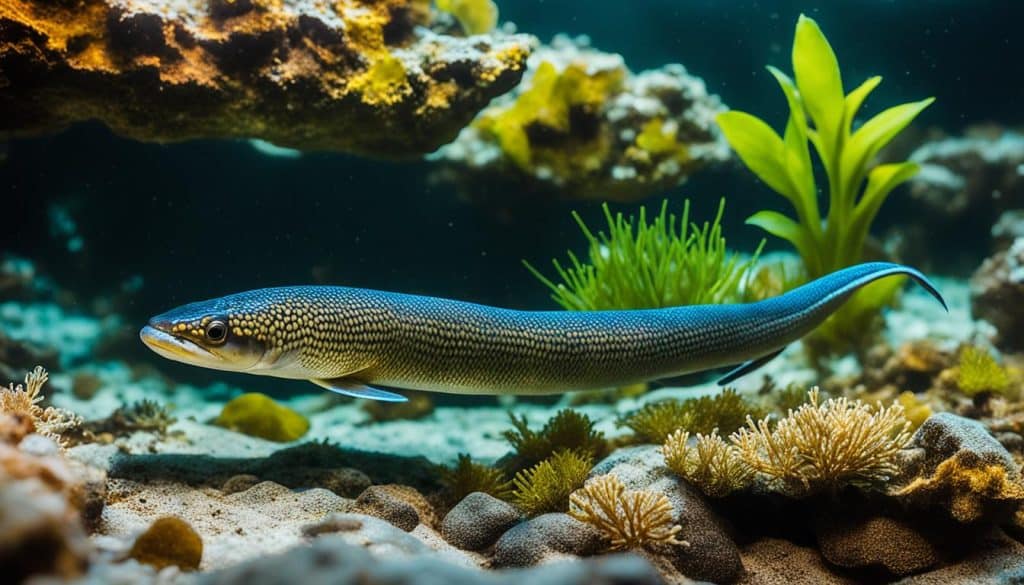
In this comprehensive guide, we will discuss everything you need to know about caring for fresh water eels. From their diet and habitat to different species and their life cycle, we will provide expert advice to help you maintain a thriving environment for these fascinating creatures.
Key Takeaways:
- Understanding the unique characteristics of fresh water eels is crucial for successful care.
- Create an ideal habitat by considering factors such as tank size, water quality, temperature, and hiding spots.
- Provide a balanced diet and monitor the feeding habits of fresh water eels to keep them healthy.
- Explore the different species of fresh water eels and choose the ones best suited for home aquariums.
- Learn about the fascinating life cycle of fresh water eels and their migration patterns.
Contact LA Pet Fair today at 619-281-7387 for tickets or information on how to become a vendor at our show!
Understanding Fresh Water Eels
Fresh water eels are fascinating creatures with unique characteristics. To successfully keep them in captivity, it is essential to understand their diverse species and natural habitat.
Fresh water eels belong to various eel species, each with its own distinctive traits. From the American eel to the European eel, these species encompass a wide range of sizes, colors, and behavior patterns.
When it comes to their habitat, fresh water eels are found in a variety of aquatic environments. They inhabit rivers, lakes, streams, and even some coastal areas. Their ability to adapt to different habitats makes them incredibly versatile.
Understanding the natural environment of fresh water eels is crucial for creating a suitable captive environment. By replicating their preferred habitat conditions, such as water temperature, pH levels, and suitable hiding spots, you can provide a comfortable and stress-free home for your eels.
Learning about the characteristics of different eel species and their specific habitat requirements will help you become a knowledgeable and responsible eel keeper.
Creating the Ideal Habitat for Fresh Water Eels
When it comes to caring for fresh water eels, providing them with the right habitat is essential for their health and well-being. By understanding the key elements needed for their optimal environment, you can ensure a thriving habitat for your eels.
1. Tank Size
Eels require a spacious tank that allows them enough room to swim and explore. A general rule of thumb is to provide at least 30 gallons of water per eel. Make sure the tank is long and wide enough to accommodate their size as they grow.
2. Water Quality
Keeping the water clean and well-maintained is crucial for the overall health of your eels. Regularly monitor water parameters such as pH, ammonia, nitrite, and nitrate levels. Perform water changes as needed and use a high-quality filtration system to maintain optimal water quality.
3. Temperature
Eels thrive in water temperatures ranging from 72 to 82 degrees Fahrenheit (22 to 28 degrees Celsius). Use a reliable aquarium heater to maintain a stable temperature within this range.
4. Hiding Spots
Eels are known to be secretive creatures that appreciate plenty of hiding spots in their habitat. Incorporate rocks, caves, and driftwood into the tank to create hiding places where they can feel secure and comfortable.
5. Lighting
Provide a proper lighting setup for your eel habitat. While eels are not particularly sensitive to light, a natural light cycle that mimics their natural environment can help regulate their behavior and create a more natural habitat.
6. Vegetation
Consider adding live plants to the tank as they provide additional hiding places and contribute to the overall health of the habitat. Choose aquatic plants that are compatible with the eel’s water requirements and won’t be easily uprooted.
7. Compatibility
Be mindful of the compatibility of the eels with other tank mates. Some species of eels may exhibit aggressive behaviors towards other fish, so it’s important to research and select suitable tank mates that can coexist peacefully with your eels.
By incorporating these key elements into your eel habitat, you can create an environment that closely resembles their natural habitat, promoting their well-being and ensuring their overall success in captivity. For more information on how to create the ideal habitat for fresh water eels, contact LA Pet Fair today at 619-281-7387 for tickets or information on becoming a vendor at our show!
Nutritional Needs of Fresh Water Eels
Proper nutrition is essential for maintaining the health and vitality of fresh water eels. These fascinating creatures require a balanced diet that meets their specific nutritional needs. Providing them with the right types of food is crucial for their growth and overall well-being.
When it comes to feeding fresh water eels, it’s important to offer a variety of foods to ensure they receive all the necessary nutrients. In their natural habitat, eels feed on a diverse diet, including small fish, crustaceans, worms, and insects.
Key Nutritional Considerations
- Eel nutrition is primarily dependent on high protein content. Including protein-rich sources in their diet is crucial for promoting growth and maintaining muscle health. Suitable options include live or frozen food such as bloodworms, brine shrimp, and small fish like guppies.
- It’s important to ensure a balanced diet by incorporating other nutrients such as vitamins and minerals. Eels can benefit from commercially available eel pellets or flakes that are specifically formulated to meet their nutritional requirements. These products are often fortified with essential vitamins and minerals to support their overall health.
- Monitoring their feeding habits is essential. Overfeeding can lead to obesity and other health issues, while underfeeding can result in malnutrition. It’s recommended to feed young eels smaller meals more frequently, gradually decreasing the frequency as they grow older.
- Eels are nocturnal creatures, so it’s best to feed them during the evening or night when they are most active and ready to eat. This aligns with their natural feeding behavior and ensures they have ample time to consume their food.
Remember to observe your eels’ behavior and adjust their diet accordingly. Regular monitoring and providing a well-balanced diet rich in protein, vitamins, and minerals will help keep your fresh water eels healthy and thriving.
Different Species of Fresh Water Eels
Dive into the fascinating world of fresh water eel species and discover the diverse array of these captivating creatures. Each eel species possesses unique characteristics that make them intriguing additions to home aquariums. Understanding the different varieties available will help you choose the perfect eel to enhance your aquatic environment.
Here are some popular fresh water eel species:
American Eel
The American eel (Anguilla rostrata) is a native species found in the rivers and streams of North America. With its snake-like appearance and distinctive yellow-brown coloring, the American eel is a fascinating addition to any freshwater aquarium.
Japanese Eel
The Japanese eel (Anguilla japonica) is widely known for its role in Japanese cuisine, particularly as a key ingredient in unagi dishes. These eels are highly sought after for their rich flavor and delicacy. In aquariums, the Japanese eel’s sleek body and vibrant markings create a visually stunning display.
European Eel
The European eel (Anguilla anguilla) is a widely distributed species found in freshwater, brackish, and coastal marine habitats across Europe. This eel species is known for its distinctive catadromous life cycle, where adults return to the Sargasso Sea to spawn.
Electric Eel
Although not a true eel, the electric eel (Electrophorus electricus) is still a fascinating species to explore. Native to the rivers of South America, these eels have the ability to generate electrical shocks for hunting and self-defense.
The Life Cycle of Fresh Water Eels
When it comes to fresh water eels, understanding their life cycle is essential for providing them with the proper care and environment. These fascinating creatures go through a series of stages, each with its own unique characteristics and behaviors.
One of the most remarkable aspects of the eel life cycle is their migration patterns. Fresh water eels are known for their extraordinary migratory journeys, which can span thousands of miles. They embark on these epic migrations to reach their spawning grounds in the ocean.
Did You Know? Fresh water eels are born in the ocean but spend the majority of their lives in freshwater environments.

Life Cycle Stages
- Leptocephalus Stage: The journey begins when eels hatch as tiny, transparent larvae called leptocephali in the ocean. During this stage, they drift with ocean currents for several months, undergoing significant physical changes.
- Glass Eel Stage: As the leptocephali grow, they transform into glass eels. At this stage, they start migrating from the ocean to freshwater rivers and streams. It’s an incredible feat considering their size and the obstacles they encounter along the way.
- Elver Stage: Once they reach freshwater, the glass eels continue their metamorphosis into elvers. Elvers are larger and have a more recognizable eel shape. They adapt to freshwater environments, navigating through rivers and finding suitable habitats.
- Yellow Eel Stage: The elvers continue to grow and develop into the yellow eel stage. These eels remain in freshwater for an extended period, feeding and maturing. During this stage, they become more territorial and form complex social hierarchies.
- Silver Eel Stage: The final stage of their life cycle is the silver eel stage. After many years in freshwater, yellow eels undergo physiological changes and turn silver. They begin their long migration back to the ocean for spawning, driven by natural instincts.
- Spawning Stage: Once they reach the ocean, the silver eels gather in vast numbers to reproduce. They release millions of eggs into the water, initiating the next generation of fresh water eels. Unfortunately, very little is known about this final stage of their life cycle due to the challenges of studying eels in the open ocean.
Understanding the complexities of the fresh water eel life cycle allows us to appreciate the incredible journey these creatures undertake and helps us in creating suitable environments to support their needs at every stage of life.
For tickets or information on becoming a vendor at our LA Pet Fair, contact us today at 619-281-7387!
Conservation Efforts for Fresh Water Eels
The preservation of fresh water eel populations is of utmost importance. As responsible stewards of our environment, we must take action to protect these unique creatures and their habitats. Join us as we explore the current state of eel conservation and discover how you can contribute to these vital efforts.
At the forefront of eel conservation initiatives, scientists and environmental organizations are working tirelessly to understand the challenges facing fresh water eels. By studying their migration patterns, breeding behavior, and the impact of human activities on their populations, researchers strive to develop effective conservation strategies.
One of the key aspects of eel conservation is raising awareness. By educating the public about the ecological significance of fresh water eels and the threats they face, we can foster a sense of responsibility and encourage conservation actions at both individual and community levels.
A crucial step in safeguarding fresh water eels is preserving and restoring their natural habitats. Efforts are being made to enhance water quality and protect the rivers, lakes, and wetlands that serve as crucial ecosystems for these remarkable species. By implementing sustainable farming practices, managing water resources responsibly, and reducing pollution, we can create a healthier environment for fresh water eels to thrive.
How You Can Contribute
There are several ways you can actively contribute to eel conservation:
- Support organizations dedicated to the conservation of fresh water eels through donations or volunteer work.
- Participate in local cleanup events to help protect the habitats of fresh water eels from pollution.
- Advocate for the implementation of sustainable fishing practices, such as catch-and-release methods, to prevent the overexploitation of eel populations.
- Spread awareness about the importance of eel conservation through social media, community events, or educational programs.
- Engage in responsible consumer practices by choosing sustainably sourced seafood and avoiding products that contribute to habitat destruction.
By taking these small yet significant steps, we can make a difference in preserving the future of fresh water eels. Let us come together to ensure the long-term survival of these captivating creatures and maintain the delicate balance of our aquatic ecosystems.
The Culinary Delights of Fresh Water Eels
Fresh water eels are not only fascinating creatures but also have a place in the culinary world. Their delicate flavor and tender texture make them a sought-after ingredient in various cuisines. Whether you prefer traditional eel dishes or want to explore new and creative recipes, there are plenty of options to delight your taste buds.
1. Eel Recipes
One of the most popular ways to enjoy fresh water eels is through traditional eel recipes. From eel sushi rolls to smoked eel sandwiches, these dishes showcase the unique flavor of eel in all its glory. For a classic Japanese delicacy, try unagi donburi, which is a bowl of rice topped with grilled eel glazed with a savory sauce.
If you’re feeling adventurous, why not try eel spaghetti or eel curry? These fusion dishes offer a unique twist on traditional recipes and allow you to experiment with different flavors and ingredients.
2. The Art of Eel Fishing
Eel fishing is not only a recreational activity but also a sustainable way to source fresh eels. It requires skill and patience, as eels are known for their elusive nature. Many fishing enthusiasts enjoy the thrill of catching eels using traditional methods such as eel traps or spears.
Whether you are an experienced angler or a beginner, eel fishing can be a rewarding and exciting experience. Just remember to check local fishing regulations and obtain the necessary permits before you embark on your eel fishing adventure.

3. Exploring Culinary Traditions
Across different cultures, eel has been a staple ingredient in traditional dishes for centuries. In European cuisine, smoked eel is a delicacy often enjoyed with crusty bread and horseradish sauce. In the Netherlands, jellied eels are a popular street food, usually served with vinegar and onions.
Asian cuisines, such as Chinese and Korean, have their own unique eel recipes. Steamed eel with black bean sauce and spicy eel stir-fry are just a few examples of the mouthwatering dishes you can explore.
4. Eel as a Nutritional Powerhouse
Not only are eels delicious, but they also offer impressive nutritional benefits. They are a rich source of omega-3 fatty acids, which are essential for heart health. Eels are also packed with vitamins and minerals, including vitamin A, B12, and potassium, providing a well-rounded nutritional profile.
Adding eel to your diet can be a great way to enhance your nutritional intake and diversify your culinary experiences.
From mouthwatering recipes to the art of eel fishing, fresh water eels provide a fascinating journey into the culinary world. Their unique flavor and versatility make them a treasure worth exploring. So, why not try your hand at an eel dish or venture into the art of eel fishing? It’s an opportunity to savor the culinary delights and cultural richness of fresh water eels.
Contact LA Pet Fair Today at 619-281-7387 for tickets or information on how to become a vendor at our show!
Conclusion
Wrapping up our fresh water eel care guide, we hope this comprehensive information has provided you with valuable insights into properly caring for these captivating creatures. By implementing the advice we’ve provided, you can create a thriving environment for your fresh water eels and ensure their well-being.
Remember to pay attention to their habitat, ensuring the right tank size, water quality, and temperature. Providing the correct nutrition is crucial for their health and vitality, so feed them a balanced diet and monitor their feeding habits closely.
Furthermore, understanding the diverse species and the life cycle of fresh water eels is essential for creating the most suitable environment for them. As responsible pet owners, we also encourage you to support conservation efforts and contribute to the protection of these fascinating creatures.
For tickets or information on how to become a vendor at our LA Pet Fair, please contact us today at 619-281-7387. The show offers a unique opportunity to learn more about the world of freshwater eels and connect with other passionate enthusiasts. We look forward to welcoming you!