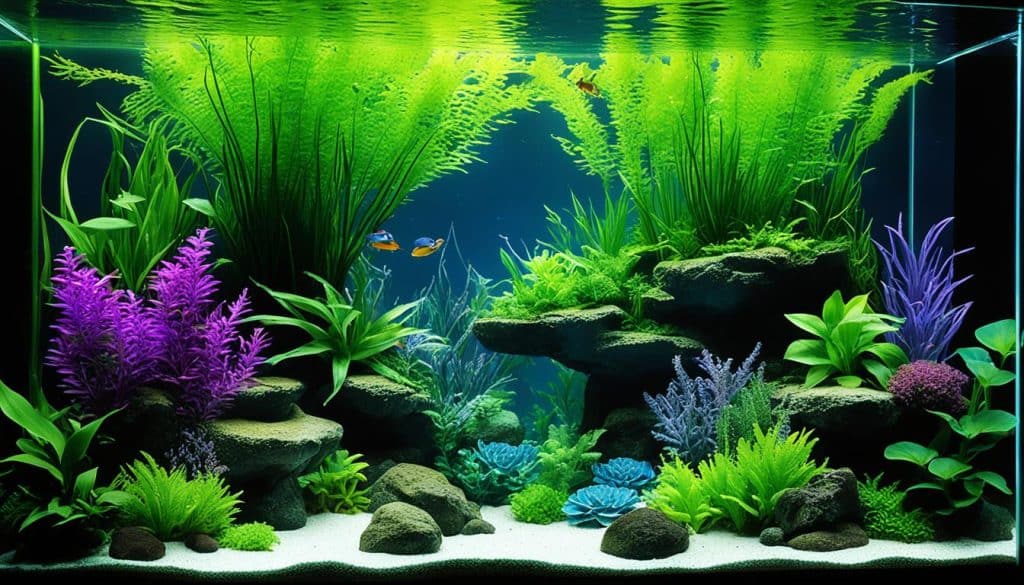
Welcome to our comprehensive guide on the essential fresh water plants for creating vibrant and stunning aquascapes. Whether you’re a seasoned aquarium enthusiast or just starting out, incorporating the right aquatic plants can elevate the beauty of your underwater world. In this article, we will provide expert tips and insights to help you create a thriving aquatic haven that will impress any observer.
At LA Pet Fair, we understand the importance of fresh water plants in aquascaping. Not only do they add visual appeal, but they also offer a range of benefits such as oxygenation, natural filtration, and providing a habitat for your aquatic pets. Discover the diverse world of freshwater aquatic vegetation and unlock the secrets to a successful aquarium.
Contact LA Pet Fair Today at 619-281-7387 for tickets or information on how to become a vendor at our show!
Key Takeaways
- Choosing the right fresh water plants can enhance the beauty of your aquarium.
- Fresh water plants provide oxygenation, natural filtration, and a habitat for aquatic organisms.
- Explore a variety of fresh water plant options from submerged to floating varieties.
- Submerged plants contribute to water quality and provide shelter for fish.
- Floating plants add elegance and provide shade and protection for aquatic inhabitants.
Why Are Fresh Water Plants Important for Your Aquarium?
Understanding the importance of fresh water plants is crucial to creating a successful aquarium. Not only do they enhance the visual appeal, but these plants also provide a range of benefits such as oxygenation, natural filtration, and habitat for aquatic organisms.
When it comes to creating a vibrant and healthy aquatic environment, fresh water plants are essential. They enrich the overall aesthetics of your aquarium, transforming it into a captivating underwater landscape. The lush green foliage of these plants adds depth and contrast, creating a visually stunning centerpiece in your home or office.
But their significance goes beyond mere aesthetics. Fresh water plants play a vital role in ensuring the well-being of your aquatic ecosystem. They serve as a natural source of oxygen, continuously releasing oxygen molecules into the water through the process of photosynthesis. This oxygenation is crucial for the survival of fish and other aquatic organisms, ensuring their respiration and overall health.
Their presence also aids in maintaining water quality by absorbing harmful chemicals, such as ammonia and nitrates, produced by fish waste and decaying organic matter. Fresh water plants act as a natural filtration system, removing these pollutants and promoting a clearer and healthier environment for your fish to thrive.
Benefits of Fresh Water Plants:
- Oxygenation: Fresh water plants produce oxygen through photosynthesis, ensuring a sufficient oxygen supply for your aquarium’s inhabitants.
- Natural Filtration: These plants absorb toxins and help maintain water quality, reducing the need for artificial filtration systems.
- Habitat for Aquatic Organisms: Fresh water plants provide shelter, breeding grounds, and food sources for fish, invertebrates, and other aquatic creatures.
- Algae Control: By competing for nutrients and blocking excessive light, fresh water plants help prevent the overgrowth of algae in your aquarium.
- Stress Reduction: The presence of plants in your aquarium creates a more natural and comforting environment for fish, reducing stress and promoting their well-being.
Furthermore, incorporating fresh water plants in your aquascape enables you to simulate natural habitats, such as rivers, ponds, and shallow lakes. It provides a sense of familiarity for your fish, as they can seek refuge, graze, and explore the environment just as they would in the wild.
To select the right fresh water plants for your aquarium, consider factors such as lighting requirements, growth habits, and compatibility with your fish species. Research each plant’s specific care needs to ensure you provide adequate lighting, proper nutrients, and an appropriate substrate for their growth.
By understanding the importance of fresh water plants and the benefits they offer, you can create a captivating and thriving aquatic ecosystem that mimics nature’s beauty.
Types of Fresh Water Plants for Your Aquarium
When it comes to creating a captivating aquascape in your aquarium, choosing the right fresh water plants is essential. There is a wide variety of aquatic plants available, each with its own unique characteristics and care requirements. In this section, we will explore different types of fresh water plants that you can incorporate into your aquarium to enhance its beauty and create a thriving ecosystem.
1. Submerged Plants
Submerged plants, also known as underwater plants, are rooted plants that grow entirely below the water’s surface. These plants play a crucial role in maintaining water quality by absorbing excess nutrients and releasing oxygen. They provide shelter for fish and other aquatic creatures, making them a vital addition to any aquarium. Some popular submerged plants include Anacharis, Vallisneria, and Hornwort.
2. Floating Plants
Floating plants are unique in that they do not require any planting or substrate. Instead, they float freely on the water’s surface, creating a beautiful and natural look in your aquarium. These plants provide shade and protection for your aquatic inhabitants while also helping to control algae growth by outcompeting them for nutrients. Common types of floating plants include Water Lettuce, Water Hyacinth, and Duckweed.
3. Oxygenating Plants
Oxygenating plants, also known as oxygenators, are essential for maintaining a healthy balance of oxygen in your aquarium. These plants release oxygen during the day through the process of photosynthesis, promoting a well-oxygenated environment for your fish. Additionally, they help to control algae growth by competing for nutrients. Some popular oxygenating plants include Hornwort, Cabomba, and Waterweed.

When choosing fresh water plants for your aquarium, it’s important to consider the specific care requirements of each type. Factors such as lighting, water temperature, and nutrient levels can influence the growth and health of your plants. By selecting a combination of submerged, floating, and oxygenating plants, you can create a visually stunning and ecologically balanced aquascape in your aquarium.
Continue reading our guide to discover more tips and recommendations on how to create a thriving aquatic haven with fresh water plants.
Submerged Fresh Water Plants
Submerged plants are an essential component of any thriving aquarium ecosystem. Not only do they contribute to the overall aesthetic appeal, but they also play a crucial role in maintaining water quality and providing shelter for fish.
There is a wide variety of submerged fresh water plants available, each with its own unique characteristics and growth habits. Let’s explore some popular species and learn how to properly care for them in your aquarium:
Anacharis
Anacharis, also known as Elodea, is a fast-growing plant that helps keep aquarium water clean by absorbing excess nutrients. Its long, slender stems and bright green leaves create a lush backdrop for your aquascape. Anacharis can be rooted in the substrate or left floating depending on your preference.
Hornwort
Hornwort is a versatile plant that can be planted in the substrate or left floating. Its delicate, feathery leaves provide excellent hiding places for fish fry and small invertebrates. Hornwort also oxygenates the water, making it an ideal choice for aquariums with high fish populations.
Java Fern
Java Fern is a popular choice among aquarists due to its low maintenance requirements and attractive appearance. Its broad, dark green leaves make a striking contrast against other plants and decorations. Java Fern can be attached to driftwood or rocks using fishing line or left to float.
- Provide adequate lighting for submerged plants to support their growth. Most plants require moderate to high levels of light.
- Ensure proper water circulation and filtration to prevent the accumulation of debris and algae growth.
- Regularly trim and remove any dead or decaying plant material to maintain water quality.
- Supplement the tank with appropriate nutrients and carbon dioxide if necessary to promote healthy plant growth.
- Monitor water parameters such as pH, temperature, and nutrient levels to ensure optimal conditions for your submerged plants.
By incorporating submerged fresh water plants into your aquarium, you can create a visually stunning aquascape while providing a natural habitat for your fish. Don’t underestimate the importance of these plants in maintaining a healthy and balanced ecosystem. Continue reading to learn about the beauty and benefits of floating fresh water plants in the next section.
Floating Fresh Water Plants
Floating plants are an exquisite addition to any aquascape, bringing an element of grace and tranquility to your freshwater aquarium. These plants not only enhance the visual appeal of the tank but also provide numerous benefits for your aquatic inhabitants. Let’s dive into the captivating world of floating plants and explore their unique features and care requirements.
1. Shade and Protection
Floating plants create a natural canopy on the surface of the water, casting gentle shade and shelter for your fish and other aquatic creatures. This shade helps to reduce the intensity of light entering the aquarium, creating a more balanced and comfortable environment for your pets.
2. Nutrient Uptake
One of the remarkable traits of floating plants is their ability to absorb excess nutrients from the water column, including nitrates and phosphates. By doing so, these plants help to reduce the risk of algae overgrowth and maintain water clarity, promoting a healthier aquatic ecosystem.
3. Oxygenation
In addition to their aesthetic appeal, floating plants play a crucial role in oxygenating the water. Through photosynthesis, these plants produce oxygen, making it readily available for your fish and other aquatic organisms. This helps to maintain optimal oxygen levels in the tank and promote the well-being of your aquatic pets.
4. Easy Maintenance
Floating plants are generally low-maintenance, making them an excellent choice for beginners and busy aquarists. They require minimal substrate or anchoring, as they naturally float on the surface of the water. Regular thinning may be necessary to prevent overcrowding, but overall, these plants are relatively easy to care for.
5. Popular Floating Plant Species
Some popular species of floating plants include:
- Pistia stratiotes (Water Lettuce): Known for its rosette-like, light green leaves, this plant adds a touch of elegance to any aquarium.
- Salvinia natans (Floating Fern): With delicate, feathery leaves, this plant creates a mesmerizing effect in the water, enhancing the beauty of your aquascape.
- Lemna minor (Duckweed): A small, floating plant with tiny leaves that reproduce quickly, providing a continuous source of shade and shelter.
When selecting floating plants for your aquarium, consider the specific needs and requirements of your aquatic ecosystem to ensure compatibility and optimal growth.
Contact LA Pet Fair Today at 619-281-7387 for tickets or information on how to become a vendor at our show!
Oxygenating Fresh Water Plants
Oxygenating plants play a crucial role in maintaining a healthy balance of oxygen in your aquarium. They not only enhance the beauty of your aquascape but also provide numerous benefits to your aquatic ecosystem. Let’s explore the advantages of incorporating oxygenating plants into your freshwater aquarium and discover some of the best species for different aquascapes.
The Benefits of Oxygenating Plants
Oxygenating plants are known for their exceptional ability to release oxygen through their leaves and roots. They perform an essential function by replenishing oxygen levels in the water, which is vital for the well-being of fish and other aquatic organisms. These plants also contribute to the overall health of your aquarium ecosystem in the following ways:
- Promoting biological filtration by absorbing excess nutrients and reducing algae growth
- Providing natural hiding places and shelter for fish and invertebrates
- Enhancing the overall aesthetic appeal of your aquascape
- Stabilizing pH levels and regulating water chemistry
Best Species for Different Aquascapes
When selecting oxygenating plants for your freshwater aquarium, it’s important to consider the specific needs of your aquascape. Here are a few popular species that are well-suited for various types of aquascapes:
- Elodea (Anacharis): A fast-growing and low-maintenance plant, perfect for beginners and larger aquariums.
- Hornwort (Ceratophyllum demersum): An adaptable plant that provides excellent oxygenation, making it ideal for both tropical and coldwater aquariums.
- Water Sprite (Ceratopteris thalictroides): A versatile plant that thrives in a range of water conditions and adds a beautiful touch to your aquascape.
Incorporating these oxygenating plants into your aquarium will not only contribute to the well-being of your aquatic pets but will also create a visually stunning and thriving aquatic environment.
For more information on how to choose and care for oxygenating plants, continue reading our comprehensive guide or reach out to our expert team at LA Pet Fair. They are ready to assist you in creating an enchanting aquascape.
Contact LA Pet Fair Today at 619-281-7387 for tickets or information on how to become a vendor at our show!
Creating a Water Garden with Fresh Water Plants
Transforming your aquarium into a captivating water garden is an exciting and rewarding endeavor. By incorporating a variety of fresh water plants, you can create a stunning and serene aquatic landscape that will impress both you and your guests. In this section, we will guide you through the process of choosing and arranging water garden plants to achieve the desired effect.
When selecting water garden plants, it’s important to consider their suitability for aquarium environments. Look for plants that are specifically labeled as suitable for freshwater aquariums and have the ability to thrive in submerged conditions. These plants not only add beauty to your aquascape but also contribute to the overall health and balance of the aquatic ecosystem.
Start by choosing a mix of submerged plants, floating plants, and oxygenating plants to create a diverse and visually appealing water garden. Submerged plants, such as Anubias or Java Fern, provide a lush underwater landscape and serve as hiding spots for fish and other aquatic creatures. Floating plants, like Water Lettuce or Water Hyacinth, create a natural canopy and provide shade for your aquarium inhabitants. Oxygenating plants, such as Hornwort or Vallisneria, help aerate the water and ensure a healthy environment for your aquatic pets.
Arrange the water garden plants strategically to create balance and depth in your aquascape. Place taller plants towards the back of the aquarium and shorter plants in the foreground. This arrangement creates a visually appealing perspective and gives a sense of depth to the overall design.
Here are some key points to keep in mind when creating a water garden with fresh water plants:
- Choose fresh water plants specifically labeled for use in freshwater aquariums.
- Select a mix of submerged, floating, and oxygenating plants for a diverse water garden.
- Place taller plants towards the back of the aquarium and shorter plants in the foreground for visual depth.
- Consider the compatibility and growth requirements of the chosen plants.
- Regularly maintain the water garden by pruning and removing any dead or decaying plant matter.
By following these tips and carefully selecting and arranging water garden plants in your aquarium, you can create a captivating and harmonious aquatic landscape that will bring joy and tranquility to your home.
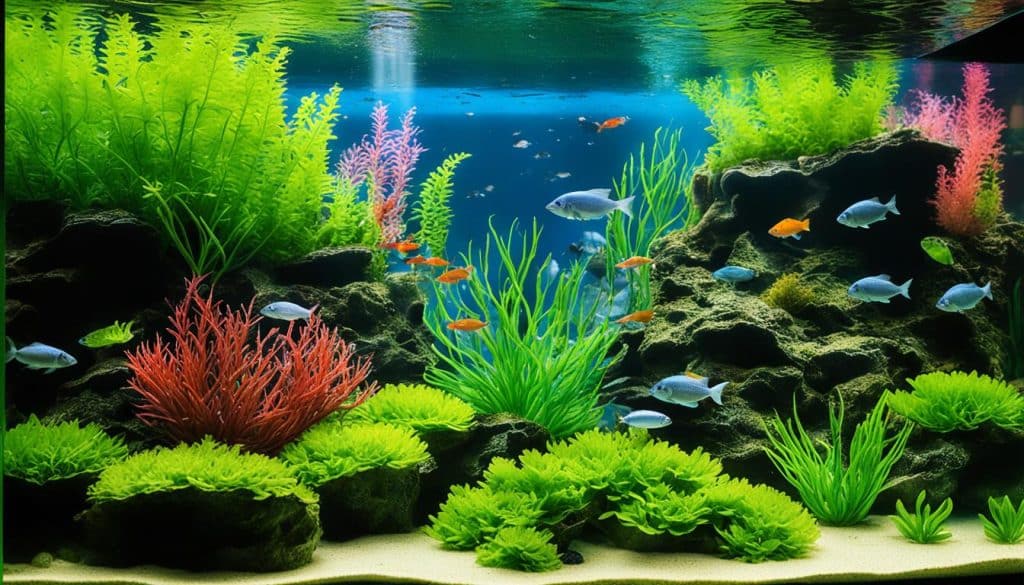
Tips for Thriving Fresh Water Plants in Your Aquarium
To ensure the health and growth of your fresh water plants, it is essential to provide them with the right conditions and care. Follow these expert tips to create a flourishing aquascape in your aquarium:
- Lighting: Adequate lighting is crucial for the photosynthesis process in fresh water plants. Choose lighting fixtures specifically designed for aquatic plants and ensure they provide the correct spectrum and intensity for optimal growth. Place the lights at an appropriate distance from the plants to avoid burning or shading them.
- Nutrient Requirements: Fresh water plants require essential nutrients such as nitrogen, phosphorous, and potassium for healthy growth. Consider adding a specialized aquarium fertilizer or liquid plant nutrients to provide these elements in the required proportions. Regularly monitor and adjust the nutrient levels to avoid deficiencies or excesses that can harm the plants.
- Substrate Selection: Choose a suitable substrate for your fresh water plants that promotes root anchorage and nutrient absorption. Aquatic plant-specific substrates enriched with essential nutrients are available in the market. Additionally, you can consider using inert substrates such as gravel or sand and supplementing them with root tabs or nutrient-rich clay balls.
- Water Parameters: Maintain stable water parameters, including temperature, pH, and hardness, that are suitable for the specific fresh water plants in your aquarium. Sudden fluctuations can stress the plants and hinder their growth. Regularly test the water and make necessary adjustments to ensure a stable and optimal environment.
- CO2 Injection: Consider supplementing your fresh water plants with carbon dioxide (CO2) to enhance their growth. CO2 injection systems or liquid carbon supplements can provide the necessary carbon for photosynthesis. Monitor the CO2 levels to avoid overdosing, which can harm both plants and fish.
- Pruning and Maintenance: Regularly trim and prune your fresh water plants to control their growth and maintain the desired aesthetics. Remove any dead or decaying plant material promptly to prevent them from rotting and affecting water quality. Additionally, clean the aquarium regularly to prevent algae growth that can compete with the plants for nutrients.
- Water Changes: Perform regular water changes to maintain water quality and nutrient balance in your aquarium. This helps remove accumulated toxins and replenish essential minerals and nutrients for the plants. Monitor the ammonia and nitrate levels to ensure they remain within safe limits.
By implementing these tips and providing the necessary care, you can create a thriving environment for your fresh water plants, resulting in a stunning and vibrant aquascape.
Conclusion
By incorporating the right fresh water plants into your aquarium, you can create a vibrant aquascape that not only enhances the visual appeal but also provides a thriving ecosystem for your aquatic pets. Our comprehensive guide has given you expert tips and recommendations to achieve a beautiful and captivating aquatic landscape in your home.
Remember, fresh water plants play a crucial role in oxygenation, natural filtration, and providing shelter for fish. From submerged plants to floating varieties, there is a wide range of options to choose from. Take the time to understand the characteristics and care requirements of each type to ensure the health and growth of your aquatic plants.
To maintain a flourishing aquascape, pay attention to lighting, nutrient requirements, substrate selection, and regular maintenance practices. These factors greatly influence the health and growth of your fresh water plants. By following our expert advice, you can create a thriving aquatic haven that will impress any observer.
Contact LA Pet Fair today at 619-281-7387 for tickets or information on how to become a vendor at our show! Discover the latest trends in aquascaping and learn from industry experts who share your passion for aquatic life. Don’t miss out on this opportunity to take your aquarium to the next level.