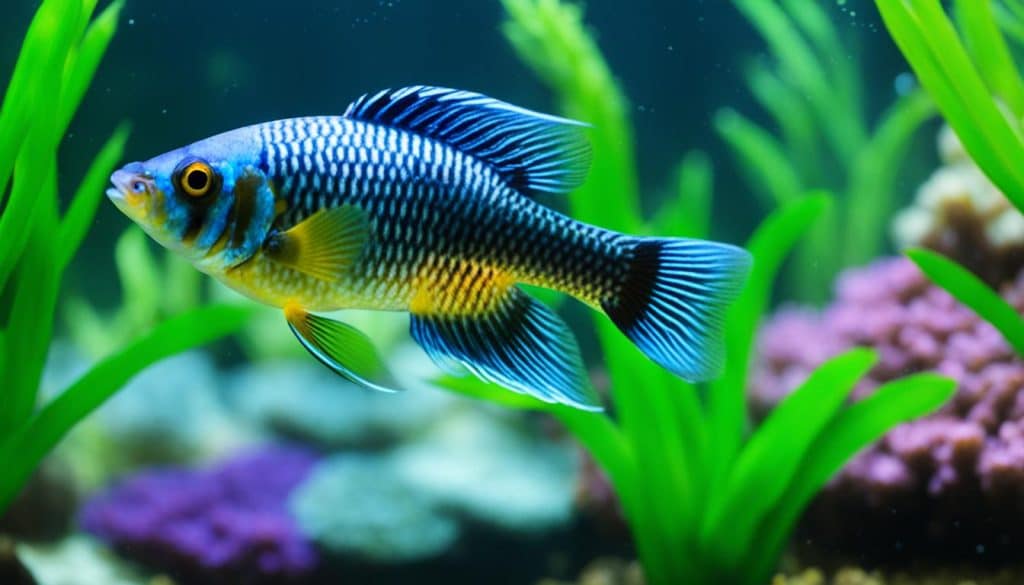
In this comprehensive guide, we will provide expert advice on caring for common molly fish. From setting up their tank to choosing appropriate tank mates, we’ll cover all aspects of keeping your molly fish happy and healthy.
Key Takeaways:
- Proper care is essential for the well-being of common molly fish.
- Setting up the perfect tank environment is crucial.
- Maintaining water quality is important for the health of your molly fish.
- A balanced diet is necessary to meet their nutritional needs.
- Understanding breeding behavior and providing appropriate conditions can lead to successful propagation.
Contact LA Pet Fair today at 619-281-7387 for tickets or information on how to become a vendor at our show!
Understanding Common Molly Fish
Before diving into the care requirements, it’s important to understand common molly fish. These vibrant and attractive freshwater fish are known for their fascinating behavior patterns, diverse varieties, and susceptibility to certain diseases. By gaining insight into their behavior, characteristics, and potential health concerns, you’ll be better equipped to provide the best care for your molly fish.
Behavior Patterns
Molly fish are known for their lively and active behavior. They are highly social creatures and thrive in community tanks with other fish. However, it’s important to note that male molly fish can display aggressive tendencies, particularly during the breeding season. Ensuring a well-balanced and harmonious tank environment is crucial to prevent any conflicts among tank mates.
Male molly fish also exhibit courtship behavior, often displaying their vibrant colors and engaging in elaborate mating rituals. Understanding these behaviors can provide valuable insights into the reproductive cycle of molly fish.
Molly Fish Varieties
Molly fish come in a wide range of vibrant colors and striking patterns. From the classic black molly to the dalmatian, balloon, or lyretail varieties, there is a molly fish to suit every aquarist’s preference. Each variety has its own distinct characteristics, making them a popular choice among fish enthusiasts for their aesthetic appeal.
When selecting molly fish for your tank, it’s important to consider the specific requirements of each variety, as some may have specific needs or predispositions to certain health issues. Research each variety thoroughly to ensure you can provide the proper care and environment for your chosen molly fish.
Common Molly Fish Diseases
Like any other fish, molly fish are susceptible to certain diseases. Common molly fish diseases include fungal infections, bacterial infections, and parasitic infestations. These diseases can cause symptoms such as discoloration, ulcers, lethargy, or changes in appetite.
Preventing common molly fish diseases involves maintaining optimal water conditions, providing a balanced diet, and quarantining new fish before introducing them to the main tank. Regular observation and prompt treatment are crucial to ensure the health and well-being of your molly fish.
Now that you have a better understanding of common molly fish behavior, varieties, and potential diseases, you are one step closer to providing the best care for your aquatic companions.
Setting Up the Perfect Molly Fish Tank
Creating the ideal environment is essential for the well-being of your molly fish. Here, we provide step-by-step instructions on setting up a suitable tank that addresses their specific needs.
Choosing the Right Size
When setting up a molly fish tank, it’s important to select the appropriate size. A tank with a capacity of at least 20 gallons is recommended to allow ample swimming space for your fish.
Water Parameters
Maintaining proper water parameters is crucial for the health of your molly fish. Aim for a temperature range of 75-82°F (24-28°C) and a pH level between 7.5 and 8.5. It’s also important to regularly test for ammonia, nitrate, and nitrite levels to ensure optimal water quality.
Decorating the Tank
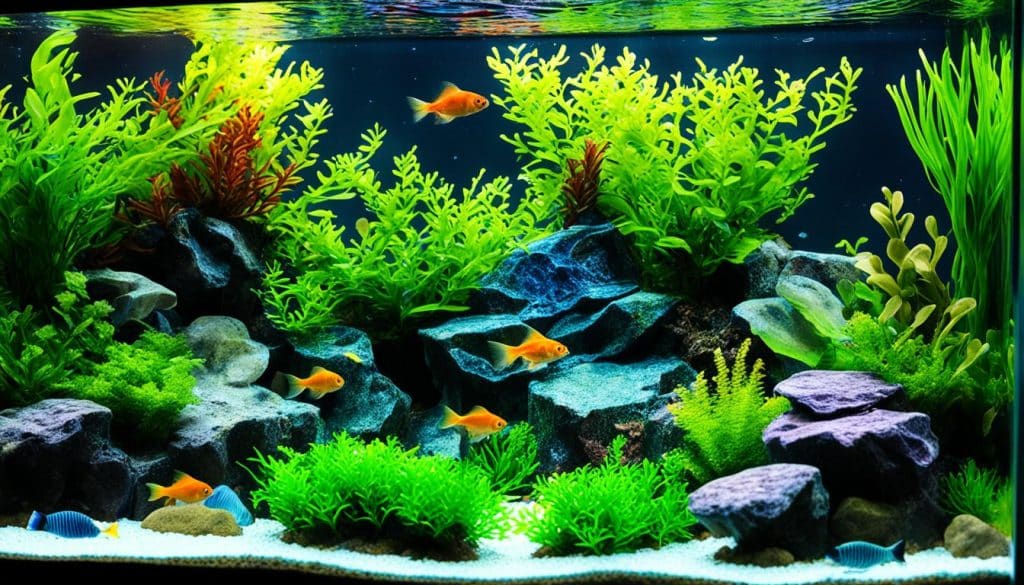
Adding decorations to your molly fish tank not only enhances its visual appeal but also provides hiding spots and territorial boundaries for your fish. Incorporate live plants and artificial ornaments, and ensure there are adequate places for your fish to explore and rest.
Proper Filtration and Aeration
Installing a suitable filtration system is crucial for maintaining water clarity and removing harmful substances. A high-quality filter, such as a sponge or canister filter, will remove debris, toxins, and excess nutrients from the tank water. Additionally, consider using an air pump to provide adequate oxygenation for your fish.
Cycling the Tank
Before introducing your molly fish to the tank, it’s essential to establish a stable nitrogen cycle. This process involves growing beneficial bacteria that convert ammonia into less harmful substances. A properly cycled tank ensures a healthy and safe environment for your fish.
Introducing Your Molly Fish
Once your tank is set up and cycled, it’s time to introduce your molly fish. Slowly acclimate them to the water temperature and pH by floating their bag in the tank and gradually adding tank water over a period of time. This helps them adjust to their new environment and reduces stress.
Monitoring and Maintenance
Regularly monitor the water temperature, pH levels, and ammonia, nitrate, and nitrite levels to ensure they remain within the appropriate range. Perform regular water changes to maintain water quality and remove any accumulated waste or uneaten food. Routine maintenance will help promote the overall health and well-being of your molly fish.
Contact LA Pet Fair today at 619-281-7387 for inquiries regarding tickets or information on how to become a vendor at our show!
Maintaining Water Quality for Molly Fish
Maintaining optimal water quality is crucial for the health and longevity of your molly fish. Here, we will provide you with expert tips on how to ensure your molly fish tank setup promotes their well-being and guarantees a thriving aquatic environment for these beautiful creatures.
First and foremost, proper filtration is essential for a healthy fish tank. Invest in a high-quality filter that suits the size of your tank and can efficiently remove impurities from the water. A good filter will help maintain water clarity, remove excess waste, and maintain stable chemical levels.
Additionally, monitoring and regulating water temperature is crucial for the well-being of molly fish. These tropical fish thrive in slightly warm water, ideally between 75°F and 82°F. Use a reliable aquarium heater to achieve and maintain the desired temperature, ensuring it does not fluctuate drastically.
Regular water changes are a fundamental part of maintaining water quality. Aim to replace approximately 10-15% of the tank water every week, using a dechlorinator to eliminate chlorine and chloramines from the new water. This helps prevent toxic buildup and promotes a healthier environment for your molly fish.
In addition to regular water changes, test the water parameters regularly. This includes measuring the levels of ammonia, nitrite, nitrate, pH, and hardness. Test kits are widely available and essential for monitoring the water quality. Maintain appropriate levels by performing water changes and adjustments when necessary.
Furthermore, keeping the tank clean is crucial to prevent the accumulation of waste and harmful bacteria. Regularly remove any uneaten food, dead plant matter, and debris from the tank. Maintain a clean substrate and consider introducing live plants, as they aid in natural filtration and provide hiding places for your molly fish.
Lastly, do not underestimate the power of regular observation and monitoring of your molly fish. Pay attention to their behavior, appetite, and overall appearance. This enables you to identify any potential issues or health concerns promptly.
By following these best practices for water filtration, temperature control, and regular maintenance routines, you can provide the ideal water conditions for your molly fish, ensuring their well-being and enhancing their overall quality of life.
If you have any further questions or need assistance, contact LA Pet Fair today at 619-281-7387 for expert advice and guidance. We are here to ensure you and your molly fish have a successful and fulfilling aquatic experience.
Feeding and Nutrition for Common Molly Fish
A balanced diet is crucial for the overall health and well-being of your beloved molly fish. Providing them with proper nutrition is essential to help them thrive in your aquarium. In this section, we will guide you through their dietary needs, suitable food options, and a recommended feeding schedule to ensure your molly fish receive the nutrients they require for optimal health.

Dietary Needs
Molly fish are omnivorous, meaning they eat both plants and small organisms. Their diet should consist of a variety of high-quality foods to ensure they receive a balanced nutritional intake. It is recommended to provide a combination of dry and frozen foods to meet their dietary requirements.
Suitable Food Options
When it comes to selecting suitable food options for your molly fish, consider offering a mix of:
- High-quality flake or pellet food specifically formulated for tropical fish.
- Frozen or live foods such as bloodworms, brine shrimp, and daphnia, which mimic their natural diet.
- Vegetables and plant matter like blanched peas, spinach, and lettuce, providing essential fiber.
Feeding Schedule
Establishing a regular feeding schedule is essential to prevent overfeeding and ensure your molly fish receive the right amount of food. Feed them two to three times a day, offering an amount they can consume within a few minutes. It is important to avoid overfeeding as it can lead to poor water quality and health issues.
Contact LA Pet Fair Today at 619-281-7387 for tickets or information on how to become a vendor at our show!
Breeding Common Molly Fish
Breeding molly fish can be an exciting and rewarding experience. In this section, we will provide you with the knowledge and guidance you need to successfully breed your molly fish. Whether you are a beginner or an experienced fish keeper, our step-by-step instructions will help you navigate the breeding process with confidence.
Before you begin breeding, it’s important to understand the breeding behavior of molly fish. This knowledge will help you identify the signs that your molly fish are ready to reproduce. Observing their behavior, such as males chasing females and the formation of mating pairs, can indicate that breeding is imminent.
To create the ideal breeding environment, it is recommended to set up a separate breeding tank. This tank should be equipped with appropriate breeding accessories, such as breeding traps or spawning mops, that provide a safe space for the female fish to give birth and protect the fry. Additionally, maintaining the right water parameters, such as temperature and pH levels, is essential for successful breeding.
Once your molly fish have mated and the female is ready to give birth, it’s important to be prepared to care for the fry. Separating the fry from the adult fish is crucial to ensure their survival, as adult fish may see the fry as potential prey. Providing suitable food, such as finely crushed flakes or baby brine shrimp, is essential for the proper growth and development of the fry.
Breeding molly fish requires patience and attention to detail, but the experience can be incredibly rewarding. Watching the fry grow and thrive is a fascinating process that allows you to witness the wonder of new life. With our expert guidance, you’ll be well-equipped to navigate the world of molly fish breeding and enjoy the beauty of raising a new generation of fish.
Contact LA Pet Fair Today at 619-281-7387 for tickets or information on how to become a vendor at our show!
Choosing Compatible Tank Mates for Molly Fish
At LA Pet Fair, we understand that Molly fish are inherently social creatures and thrive when surrounded by compatible tank mates. Creating a harmonious community within your aquarium is essential for the well-being and happiness of your Molly fish. To help you establish a diverse and compatible tank, we have compiled a list of suitable species that can coexist peacefully with Molly fish.
1. Platies: Known for their vibrant colors and peaceful nature, Platies make excellent tank mates for Molly fish. They share similar water parameters and are generally easy to care for, making them a popular choice among aquarists.
2. Swordtails: With their elegant flowing tails, Swordtails add beauty and elegance to any aquarium. They are compatible with Molly fish in terms of temperament and water requirements, making them ideal companions in a community tank.
3. Guppies: Guppies are colorful, small-sized fish that are well-known for their social nature. They are resilient, easy to care for, and can coexist peacefully with Molly fish. Adding a school of guppies to your tank can create a visually stunning and lively environment.
4. Corydoras Catfish: These bottom-dwelling fish help keep the aquarium clean by scavenging leftover food and debris. Their peaceful nature and adaptability to various water conditions make them suitable tank mates for Molly fish.
5. Neon Tetras: Neon Tetras are shoaling fish that thrive in groups. Their vibrant colors and active nature make them an eye-catching addition to any tank. They can coexist harmoniously with Molly fish while creating a lively and dynamic community.
Introducing New Fish to the Tank
When introducing new tank mates to your aquarium, it’s essential to follow these guidelines:
- Quarantine new fish: Before introducing them to the main tank, quarantine new fish for a few weeks to ensure they are healthy and free from diseases.
- Monitor compatibility: Observe the behavior of all fish in the tank when introducing new members. If any aggression occurs, consider providing hiding spots or rearranging decorations to create territorial boundaries.
- Acclimate properly: Use a drip acclimation method to help new fish adjust to the tank’s water parameters gradually.
- Monitor water quality: Regularly test the water parameters to ensure optimal conditions for all fish in the aquarium.
By following these guidelines and carefully selecting compatible tank mates, you can create a thriving and visually appealing aquarium ecosystem for your beloved Molly fish.
Contact LA Pet Fair today at 619-281-7387 for more information on how to create a harmonious community for your fish friends or to purchase tickets to our exciting pet fair!
Common Molly Fish Diseases and Prevention
Like any other fish, molly fish may be susceptible to certain diseases. It’s important to be aware of common ailments that can affect them, as well as their symptoms, and take preventive measures to keep your fish healthy.
Common Molly Fish Diseases
- 1. Molly Ich: This is one of the most common diseases that molly fish can encounter. It is caused by a parasitic organism called Ichthyophthirius multifiliis, commonly known as “ich.” The symptoms include white spots on the body, fin clamping, and respiratory distress.
- 2. Molly Fin Rot: Fin rot is a bacterial infection that affects the fins and tail of molly fish. It is caused by poor water quality or injury. The infected fins may appear frayed, discolored, and start to deteriorate over time.
- 3. Molly Dropsy: Dropsy is a condition characterized by the swelling of the fish’s body due to fluid retention. It is often caused by bacterial infections affecting the fish’s internal organs. Symptoms include bloating, pineconing scales, and lethargic behavior.
- 4. Molly Swim Bladder Disease: Swim bladder disease affects the fish’s buoyancy control. It can be caused by various factors such as overfeeding, improper nutrition, or bacterial infection. The affected fish may swim abnormally, struggle to maintain balance, or float uncontrollably.
- 5. Molly Velvet: Velvet is a parasitic infection caused by the Piscinoodinium parasite. Infected fish exhibit a gold or rust-colored dust-like coating on their skin. They may also display excessive scratching against surfaces in the aquarium.
Preventive Measures
To prevent these diseases and maintain the well-being of your molly fish, consider the following measures:
- Quarantine new fish: Before introducing new fish to your tank, quarantine them separately in a quarantine tank for a few weeks to prevent the spread of potential diseases.
- Monitor water quality: Regularly test and maintain optimal water parameters such as temperature, pH, ammonia, nitrite, and nitrate levels. Clean the tank and perform water changes as needed.
- Provide a balanced diet: Offer a varied and nutritionally balanced diet to ensure your molly fish receive the necessary nutrients to stay healthy and strengthen their immune system.
- Avoid overstocking: Do not overcrowd the tank as it can lead to stress, aggression, and an increased risk of disease transmission.
- Quarantine and treat sick fish: If you notice any signs of illness in your molly fish, promptly isolate and treat them in a separate tank to avoid spreading the disease to other healthy fish.
- Maintain good hygiene: Regularly clean and disinfect any equipment used in the tank, such as nets, siphons, and decorations, to prevent the growth and spread of pathogens.
Contact LA Pet Fair Today at 619-281-7387 for tickets or information on how to become a vendor at our show!
Common Molly Fish Lifespan and Health Considerations
Understanding the typical lifespan of common molly fish is essential for providing the best care and ensuring their longevity. With proper care, these vibrant aquatic creatures can live for an average of 2 to 5 years. However, some molly fish have been known to live up to 7 years!
To promote a healthy and prolonged lifespan for your molly fish, it’s important to consider a few key factors:
- Water Quality: Maintain optimal water conditions by regularly testing and monitoring the temperature, pH levels, and ammonia levels in your aquarium. Clean and replace the water as needed to prevent the accumulation of harmful substances.
- Diet and Nutrition: Provide a balanced and nutritious diet for your molly fish. A combination of high-quality flakes, pellets, and occasional live or frozen foods will help meet their dietary needs. Avoid overfeeding, as it can lead to obesity and other health issues.
- Tank Size and Environment: Ensure your molly fish have ample space to swim and explore. A well-maintained aquarium with appropriate decorations, plants, and hiding spots will contribute to their overall well-being.
- Healthy Tank Mates: Choosing compatible tank mates for your molly fish is crucial to prevent stress, aggression, and the spread of diseases. Research and select fish species that have similar care requirements and temperaments.
- Observation and Identification: Regularly observe your molly fish to detect any signs of illness or distress. Look for changes in behavior, appetite, or physical appearance. Early detection and prompt treatment can make a significant difference in their health.
Signs of Illness in Molly Fish
While providing optimal care can minimize the risk of illness, it’s important to be aware of common signs that may indicate health problems:
- Loss of appetite or sudden weight loss
- Erratic swimming patterns or difficulty staying upright
- Visible external parasites or unusual growths
- Lethargy or lack of energy
- Abnormal coloration or fading
- Labored breathing or gasping at the water’s surface
- Clamped fins or frayed/torn finnage
- Isolation from other fish or hiding excessively
If you notice any of these signs, it’s crucial to take immediate action. Consult a veterinarian or an experienced fishkeeper for proper diagnosis and treatment options.
Remember, healthy and thriving molly fish are a reflection of your care and dedication. By following these guidelines and being attentive to their needs, you can ensure the best possible lifespan and overall health for your beloved molly fish.
Conclusion
Congratulations! Now that you have a solid understanding of how to care for common molly fish, you are well-equipped to create a thriving aquatic ecosystem for these beautiful creatures. By following the guidelines on tank setup, feeding, breeding, and disease prevention, you can ensure the health and longevity of your molly fish.
Create a spacious and well-maintained tank with suitable water parameters to mimic their natural habitat. Provide a balanced diet that meets their nutritional needs, and consider breeding molly fish to expand your aquatic family. By selecting compatible tank mates and monitoring their health regularly, you can promote a harmonious community and prevent common diseases.
Remember, molly fish have a moderate lifespan, and with proper care, you can enjoy their companionship for several years. Continue to educate yourself on the latest advancements in molly fish care and consult experts like LA Pet Fair for further guidance. Contact us today at 619-281-7387 to learn more or inquire about tickets and vendor opportunities at our upcoming pet fair.