Welcome to our comprehensive guide on caring for your red factor canary! As experts in bird care, we are excited to share our knowledge and tips to help you provide the best care for your vibrant and beautiful canary companion. Whether you are a first-time owner or a seasoned enthusiast, we have you covered with advice on diet, breeding, environment, and overall wellness. Let’s dive in!
But before we get started, we wanted to let you know about an exciting event coming up – our upcoming Pet Show on June 29-30, 2024 in Pomona, California! It’s going to be a weekend full of fun and activities for pet lovers like you. Grab your tickets now to join us for an amazing weekend of unforgettable experiences.
Key Takeaways:
- Proper nutrition is essential for maintaining the vibrant colors of your red factor canary.
- Breeding red factor canaries requires knowledge of genetics and specific breeding practices.
- Create an ideal cage setup, temperature, and lighting conditions to ensure the well-being of your canary.
- Maintaining the health and wellness of your red factor canary is crucial for their happiness and longevity.
- Join us at the Pet Show in Pomona, California for an unforgettable weekend of pet-related fun!
Understanding the Red Factor Canary
Before we delve into the expert tips on caring for your red factor canary, let’s take a moment to understand these beautiful birds. Red factor canaries, also known as red canaries, are a popular choice among bird enthusiasts. Their vibrant hues and unique genetic makeup make them a fascinating species to learn about.
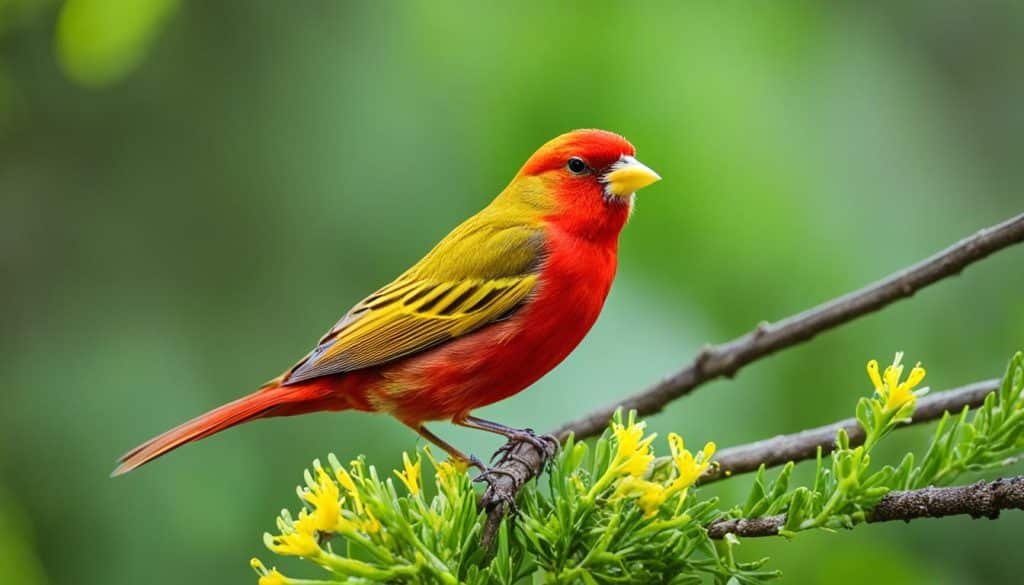
One of the most striking features of red factor canaries is their, as the name suggests, red plumage. This vibrant coloration is a result of carefully bred genetics. Red canaries are specifically bred to carry a gene mutation that alters the production of pigments in their feathers. The genetic factors responsible for this captivating coloration are known as red factor canary genetics.
Red factor canaries are a type of canary bird, which are small, melodious songbirds native to the Canary Islands. Historically, canaries were bred for their beautiful voices, and to this day, they are renowned for their melodious songs.
To help you visualize the stunning colors of the red factor canary, take a look at the image below:
In the upcoming sections, we will provide you with expert advice on caring for your red factor canary, including their diet, breeding practices, creating a suitable environment, and ensuring their overall health and wellness. Now that we have a basic understanding of these captivating birds, let’s move on to the next section to explore the essential aspects of their care.
Providing a Proper Diet for Your Red Factor Canary
The diet of your red factor canary is crucial in maintaining its vibrant colors and overall health. By providing the right foods and meeting their nutritional requirements, you can ensure that your canary remains healthy, colorful, and happy.
When it comes to feeding your red factor canary, a well-balanced diet is key. Here are some essential foods to include:
- Pellets: High-quality canary pellets should form the foundation of your canary’s diet. These pellets are specifically formulated to provide a variety of essential nutrients and vitamins.
- Fresh Fruits: Incorporate a variety of fresh fruits into your canary’s diet to provide them with natural sugars and additional vitamins. Some excellent options include apples, oranges, grapes, and berries.
- Leafy Greens: Dark, leafy greens such as spinach, kale, and cilantro are rich in essential nutrients and antioxidants. These greens are beneficial for your canary’s overall health and can contribute to their vibrant plumage.
- Seeds and Grains: While seeds and grains should not be the primary component of your canary’s diet, they can be offered as occasional treats. Ensure the seeds are fresh and free from pesticides or additives.
Supplementing their Diet
In addition to the staple foods mentioned above, it’s essential to provide your red factor canary with specific supplements to enhance their coloration. One popular option is the inclusion of specific pigmentation enhancing products, available at pet stores and online. These products contain natural color enhancers such as beta-carotene, which can further intensify your canary’s red plumage.
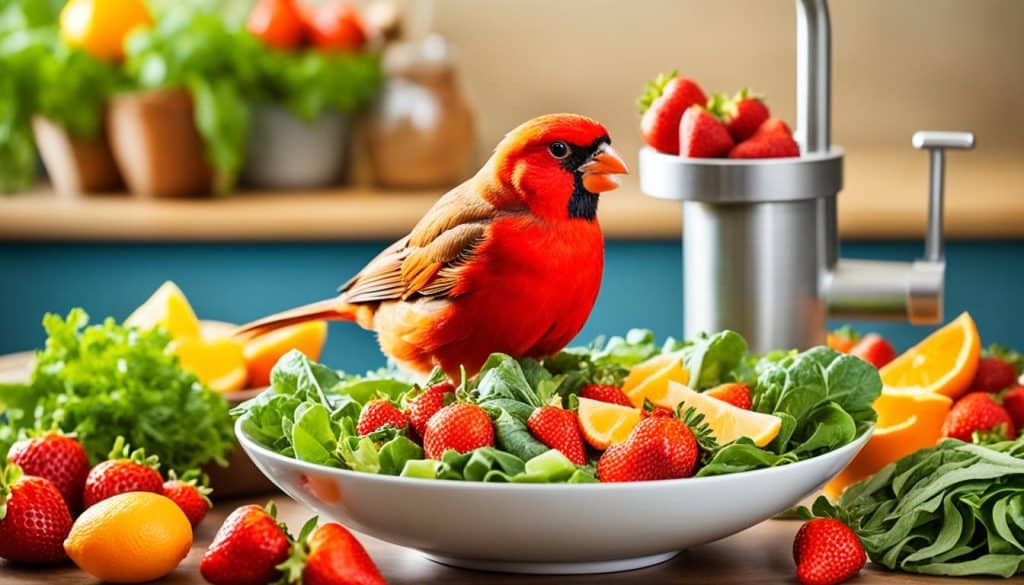
Remember to always provide fresh water for your red factor canary and change it daily. Water is vital for their overall health and can contribute to maintaining their vibrant colors.
Each bird is unique, and their dietary needs may vary slightly. It’s essential to consult with a avian veterinarian or an experienced breeder to ensure your canary’s diet meets their specific needs.
In the next section, we will explore the intricacies of breeding red factor canaries and the important considerations to ensure successful breeding outcomes.
Ready to learn more? Don’t miss our upcoming Pet Show on June 29-30, 2024, in Pomona, California. Grab your tickets now for an amazing weekend of fun with fellow bird enthusiasts. All Access Weekend Pass: $20 Adults – $16 Kids (12 & Under) – 2 & Under Free. See you there!
Breeding Red Factor Canaries
When it comes to breeding red factor canaries, a deep understanding of genetics and specific breeding practices is essential. These stunning birds require special care and attention to produce offspring with vibrant hues. In this section, we will share valuable tips and techniques to help you successfully breed your red factor canaries.
1. Selecting the Right Breeding Pair
Choosing the right breeding pair is crucial for achieving the desired color variations in the offspring. Look for canaries with vibrant red plumage and strong genetic backgrounds. It’s recommended to consult with experienced breeders or avian experts to ensure you make the best pairings.
2. Providing Optimal Nesting Conditions
Creating a suitable nesting environment is important to encourage breeding behavior in your canaries. Place clean and comfortable nests in their cages, ensuring they have sufficient privacy and protection. Provide soft nesting materials, such as dried grass or soft bedding, to make your canaries feel secure.
3. Monitored Breeding Process
Monitor your breeding pair closely during the mating and egg-laying process. Regularly check the nests for eggs and ensure they are healthy and intact. Avoid disturbances or unnecessary handling during this delicate period as it may lead to stress or abandoned eggs.
4. Egg Incubation and Chicks Care
Once the breeding pair has successfully laid eggs, you need to provide optimal conditions for successful incubation. Maintain stable temperature and humidity levels in the incubator to ensure healthy embryo development. After hatching, make sure to provide proper nutrition and a safe environment for the chicks to grow.
Remember, breeding red factor canaries requires patience and perseverance. It may take several breeding cycles to achieve the desired color intensity in the offspring. By following these tips and techniques, you can increase your chances of successfully breeding these beautiful birds.
Grab your tickets now for our upcoming Pet Show on June 29-30, 2024, in Pomona, California. All Access Weekend Pass: $20 Adults – $16 Kids (12 & Under) – 2 & Under Free. We look forward to seeing you for an amazing weekend of fun!
Creating the Perfect Environment for Your Red Factor Canary
When it comes to caring for red factor canaries, creating the perfect environment is key to ensuring their well-being and happiness. Providing a suitable cage setup, maintaining the right temperature, and ensuring proper lighting conditions are essential aspects of caring for your canary.
The Ideal Cage Setup
Your red factor canary needs a spacious and comfortable cage to thrive. Choose a cage that allows ample room for your canary to spread its wings and move around. Opt for a cage with horizontal bars to provide climbing opportunities for your active bird. Additionally, ensure that the spacing between the bars is narrow enough to prevent your canary from getting stuck or escaping.
- Place perches of varying sizes and textures inside the cage to simulate natural branches and give your canary the opportunity to exercise its feet.
- Include a couple of shallow dishes for food and water, positioned away from each other to avoid contamination.
- Offer a variety of engaging toys to keep your canary mentally stimulated and entertained.
Remember to regularly clean the cage to maintain a hygienic environment for your canary.
Temperature and Lighting Conditions
Red factor canaries thrive in temperatures between 65°F and 75°F (18°C – 24°C). Keep the cage in a location away from direct sunlight or drafts, as these extremes can negatively impact your canary’s health.
Lighting plays a crucial role in regulating your canary’s biological clock. Provide natural light during the day by placing the cage near a window or use full-spectrum lighting to mimic natural sunlight. Ensure your canary gets 12-14 hours of darkness each night for proper rest and rejuvenation.
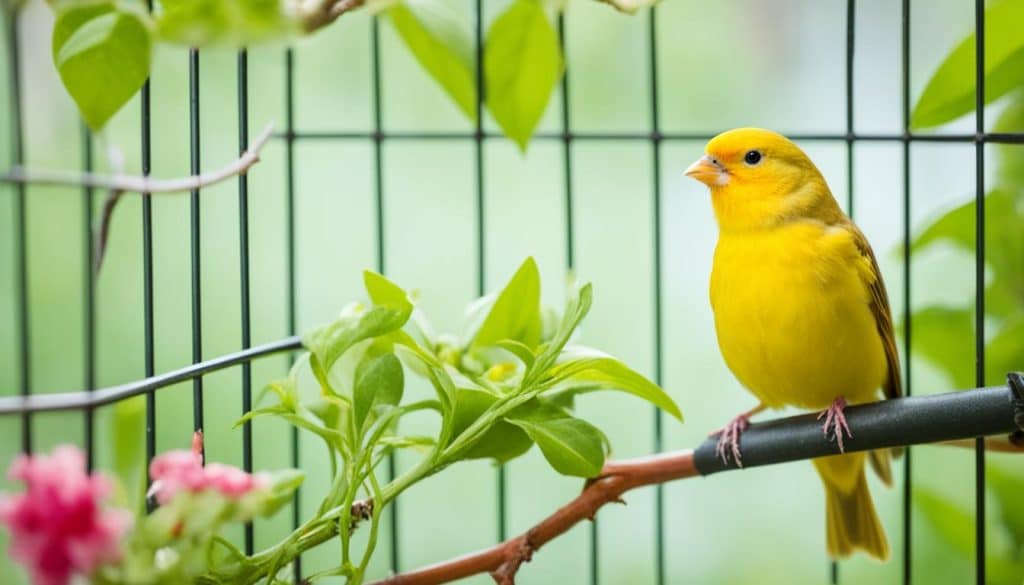
By creating a comfortable and stimulating environment for your red factor canary, you are ensuring their overall well-being and happiness. Remember, a happy canary is a vibrant and healthy one.
Don’t forget to grab your tickets now for our upcoming Pet Show on June 29-30, 2024, in Pomona, California. It will be an amazing weekend of fun, and we look forward to seeing you there!
Health and Wellness of Red Factor Canaries
Maintaining the health and wellness of your red factor canaries is our top priority. These beautiful birds require special care and attention to ensure they lead happy and vibrant lives. In this section, we will discuss common health issues that can arise, measures you can take to prevent them, and when it’s necessary to seek professional help.
Regular check-ups with an avian veterinarian are essential to monitor your red factor canary’s overall health. A qualified professional will conduct thorough examinations and provide guidance on diet, hygiene, and any required vaccinations. They can also address any concerns or symptoms you may notice.
Common Health Issues
Red factor canaries may be susceptible to certain health issues, including:
- Respiratory infections
- Feather plucking
- Parasites
- Malnutrition
- Liver disease
- Egg-binding (in females)
If you observe any changes in behavior, such as reduced appetite, coughing, sneezing, or unusual feather loss, it is important to take prompt action. Identifying and treating health issues early can greatly improve the chances of a full recovery.
Preventative Measures
Prevention is key to keeping your red factor canaries healthy and thriving. Here are some preventative measures you can take:
- Provide a balanced diet rich in nutrients, including high-quality seeds, fresh fruits, and vegetables
- Ensure a clean and hygienic environment, regularly cleaning and disinfecting the cage
- Regularly trim your canary’s nails and beak to prevent overgrowth
- Keep your canary away from drafts and extreme temperatures
- Offer opportunities for exercise and mental stimulation with toys and perches
Seeking Professional Help
While preventative measures are crucial, there may be instances where professional assistance is necessary. If you notice any of the following signs, it’s recommended to consult an avian veterinarian:
- Lethargy or unusual tiredness
- Rapid weight loss or gain
- Difficulty breathing
- Bloody droppings
- Inability to perch or fly normally
- Any sudden changes in behavior or appearance
We care about the well-being of your red factor canaries, and by following these tips, you can help ensure a long and healthy life for your beloved feathered friends. Remember, a happy and vibrant canary brings joy to any home!
Don’t forget to grab your tickets now for our upcoming Pet Show in Pomona, California, on June 29-30, 2024. Experience an amazing weekend of fun and meet other bird enthusiasts like yourself. We can’t wait to see you there!
Conclusion
We hope this comprehensive guide has provided you with valuable insights and tips on effectively caring for your red factor canary. By following our expert guidance on diet, breeding, and overall care, you can ensure a happy and vibrant pet bird.
Remember, a proper red factor canary diet is crucial for maintaining their vibrant colors. Providing a balanced and nutritious diet consisting of seeds, fruits, vegetables, and supplements will help keep your canary healthy and vibrant.
When it comes to breeding red factor canaries, understanding their genetic traits and following the correct breeding practices is essential. With patience and knowledge, you can successfully breed these stunning birds and enjoy the beauty of their offspring.
Thank you for joining us on this journey to discover the world of red factor canaries. Don’t forget to grab your tickets for our upcoming Pet Show in Pomona, California, on June 29-30, 2024. It will be an amazing weekend filled with fun and opportunities to learn more about caring for your beloved red factor canaries.