In this comprehensive guide, we will explore the essential elements of aquascaping to create stunning and thriving flora aquariums. Discover the key factors for successful plant selection, water parameters, nutrient dosing, CO2 supplementation, and tank maintenance.
Aquascaping is the art of designing underwater landscapes in planted tanks. It involves creating a balanced and aesthetically pleasing environment for aquatic flora to flourish. A well-executed aquascape can mimic natural underwater ecosystems and provide a captivating display of aquatic plants.
Key Takeaways:
- Choose the right aquatic plants based on height, color, and growth pattern for a visually appealing arrangement.
- Maintain optimal water parameters such as temperature, pH, hardness, and lighting to create an ideal environment for plants.
- Provide essential nutrients through fertilizers and supplements to support healthy plant growth.
- Understand the importance of CO2 supplementation and maintain proper levels for optimal plant growth.
- Regularly maintain your flora aquarium through tasks such as water changes, pruning, and algae control.
Interested in experiencing aquascaping firsthand? Contact LA Pet Fair today at 619-281-7387 for tickets or information on how to become a vendor at our show!
Understanding Aquascaping
Aquascaping is the art of designing underwater landscapes in planted tanks. It involves creating a balanced and aesthetically pleasing environment for aquatic flora to flourish. A well-executed aquascape can mimic natural underwater ecosystems and provide a captivating display of aquatic plants.
By carefully arranging various elements such as plants, rocks, driftwood, and substrate, aquascapers can create stunning underwater vistas that showcase the beauty of aquatic plant life. Each component is strategically placed to create depth, texture, and visual interest, resulting in a visually appealing and harmonious aquascape.
The goal of aquascaping is to strike a balance between design aesthetics and the needs of the aquatic plants. This involves considering factors such as plant species, growth patterns, color combinations, and the overall layout of the aquarium. Attention to detail is crucial to ensure that the aquascape not only looks impressive but also provides a suitable habitat for the plants to thrive.
One of the essential aspects of aquascaping is the selection of suitable aquatic plants. Different species have varying requirements in terms of lighting, CO2 levels, and nutrient availability. Aquascapers carefully choose plants that will thrive in their specific tank conditions, taking into account factors such as growth rate, leaf shape, and coloration.
The use of hardscape materials, including rocks and driftwood, adds natural elements to aquascapes. These materials can serve as focal points, create structural interest, and provide hiding places for fish and invertebrates. When choosing hardscape materials, it’s essential to consider their visual appeal, compatibility with the selected plants, and how they influence the overall design.
Ultimately, aquascaping is about creating an immersive aquatic environment that captivates viewers and provides a thriving home for aquatic flora. It allows hobbyists to express their creativity and explore different styles and themes, whether replicating a serene forest stream, a vibrant tropical reef, or a tranquil Japanese garden.
Next, we will dive into the crucial decision of plant selection and arrangement in aquascaping.
Plant Selection and Arrangement
Selecting the right aquatic plants is crucial for creating a beautiful flora aquarium. When it comes to plant selection, consider factors such as the height, color, and growth pattern of each plant to achieve a visually appealing arrangement. By carefully choosing a variety of plants, you can create depth, texture, and a harmonious balance within your aquarium.
When selecting aquatic plants, it’s important to consider their specific care requirements. Some plants prefer low light conditions, while others require more intense lighting. Additionally, certain plants may thrive in soft water, while others prefer hard water environments. By understanding the needs of each plant, you can create a suitable habitat for their growth and ensure their long-term health.
Popular aquatic plants for flora acquariums include Anubias, Java Fern, and Amazon Sword. Anubias is a versatile and easy-to-maintain plant that works well as a mid-ground or background plant. Java Fern is known for its distinctive leaf structure and is a great choice for both beginners and experienced aquascapers. Amazon Sword, with its large and vibrant leaves, adds a captivating focal point in any aquarium.
To arrange your plants effectively, start by placing taller plants in the background to create a sense of depth. Place medium-sized plants in the middle and foreground, gradually decreasing their height as you move forward. This layering technique helps to create a visually appealing composition. Incorporating different colors and textures can further enhance the overall aesthetics of your aquascape.
Maintaining Water Parameters
When it comes to creating a thriving flora acquarium, maintaining optimal water parameters is crucial. The health and growth of aquatic plants heavily rely on factors such as temperature, pH, hardness, and lighting. These parameters directly influence the overall well-being of your aquatic garden.
Importance of Temperature
Temperature plays a vital role in creating a favorable environment for your aquatic plants. It is essential to research and determine the temperature requirements of the specific plant species you have chosen for your flora acquarium. Maintaining a stable temperature within the recommended range ensures that your plants can thrive and avoid stress or damage.
Understanding pH
pH level refers to the acidity or alkalinity of the water. Different aquatic plants have varying pH preferences. It is crucial to monitor and adjust the pH of your acquarium to match the specific requirements of your chosen plant species. Maintaining the ideal pH level promotes nutrient absorption and overall plant health.
Consider Water Hardness
Water hardness refers to the mineral content in the water, particularly calcium and magnesium ions. Some plant species thrive in soft water, while others prefer hard water conditions. Understanding the water hardness requirements of your aquatic plants allows you to provide them with the ideal environment for healthy growth.
Proper Lighting
Lighting is a critical factor in photosynthesis, the process by which plants convert light energy into chemical energy. Providing the correct type, intensity, and duration of lighting is vital for the growth and development of your aquatic plants. Be sure to choose appropriate lighting systems and consider the specific light requirements of your plants.
To monitor and adjust these crucial water parameters, you can utilize various tools and techniques. Digital thermometers, pH test kits, and water hardness test kits are valuable resources that help ensure your flora acquarium maintains the ideal conditions for plant growth.
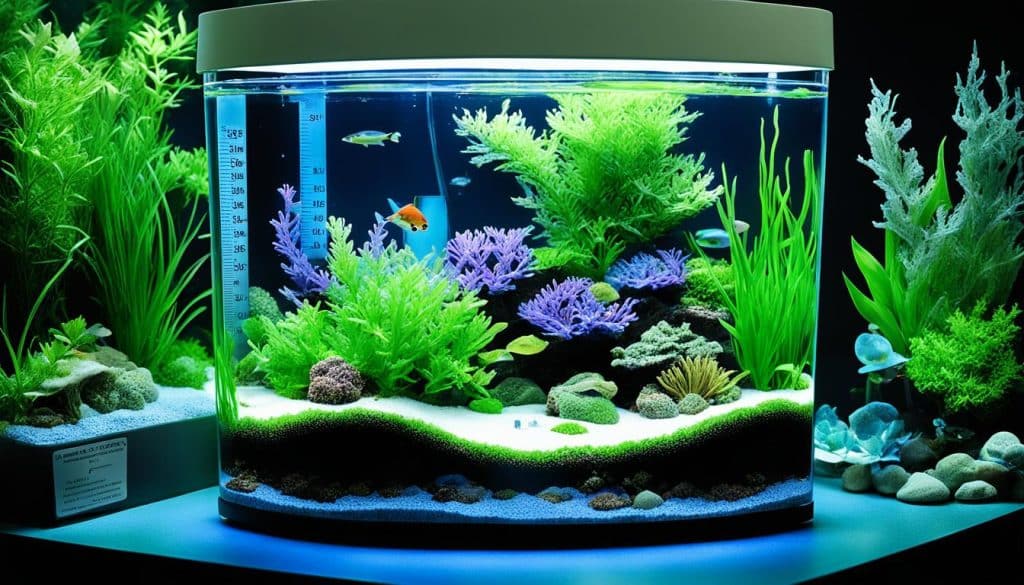
By meticulously maintaining the optimal water parameters for your flora acquarium, you provide your aquatic plants with the best possible environment for growth and thriving. Ensuring stable temperature, monitoring and adjusting pH, considering water hardness, and providing proper lighting will greatly contribute to the success and beauty of your aquascape.
Contact LA Pet Fair today at 619-281-7387 for tickets or information on how to become a vendor at our show!
Nutrient Dosing
When it comes to the growth and health of aquatic plants in your flora aquarium, nutrient dosing plays a vital role. Adequate nutrient supply is essential for ensuring lush and vibrant plant growth. In this section, we will explore the importance of nutrient dosing and how to provide your plants with the essential macronutrients and micronutrients they need to thrive.
Understanding Macronutrients and Micronutrients
Macronutrients, such as nitrogen (N), phosphorus (P), and potassium (K), are the primary elements required in relatively large quantities by aquatic plants. These nutrients play a crucial role in supporting overall plant growth, energy production, and metabolism. Micronutrients, on the other hand, are essential elements needed in smaller amounts. These include iron (Fe), manganese (Mn), zinc (Zn), and others, and they are crucial for various biochemical processes, enzymatic reactions, and chlorophyll production.
Providing your plants with a well-balanced combination of macronutrients and micronutrients is key to promoting healthy growth and preventing nutrient deficiencies.
Different Dosing Methods
There are several dosing methods you can use to supply nutrients to your aquatic plants. These include:
- Pre-mixed Liquid Fertilizers: These ready-to-use fertilizers contain a balanced blend of essential nutrients and can be added directly to the aquarium water. They are convenient and provide a quick and easy solution for nutrient dosing.
- Dry Fertilizers: Dry fertilizers contain concentrated forms of nutrients and can be mixed with water to create a solution. This allows for more precise dosing and customization based on the specific needs of your plants.
- Root Tabs: Root tabs are small tablets that contain a rich nutrient mix. They are inserted into the substrate and slowly release nutrients over time, providing a localized nutrient source directly to the plant roots.
Balancing Nutrient Levels
Finding the right balance of nutrients in your flora aquarium is crucial for promoting healthy plant growth while minimizing the risk of algae outbreaks. Keeping nutrient levels within the optimal range requires regular monitoring and adjustments. Test kits can help you measure the levels of nutrients in your aquarium water, allowing you to make informed decisions when it comes to dosing.
It’s essential to note that nutrient requirements may vary depending on the specific plants in your aquascape. Some plants may require higher levels of certain nutrients, while others may be more sensitive to nutrient imbalances. Therefore, it’s important to do some research on the specific nutrient requirements of the plants you are keeping and adjust your dosing accordingly.
Image: Nutrient dosing is crucial for promoting healthy plant growth in your flora aquarium.
By understanding the importance of nutrient dosing and providing your aquatic plants with the necessary macronutrients and micronutrients, you can ensure their optimal growth and create a flourishing aquascape. In the next section, we will explore the role of CO2 supplementation in promoting lush plant growth in your flora aquarium.
CO2 Supplementation
Carbon dioxide (CO2) supplementation plays a vital role in achieving lush plant growth in your flora acquarium. Understanding the role of CO2 in photosynthesis is essential for creating a thriving underwater garden.
The Importance of CO2 in Photosynthesis
Photosynthesis is the process by which plants convert light energy into chemical energy, fueling their growth and survival. Carbon dioxide is a crucial component of photosynthesis, serving as a raw material for plants to produce glucose and oxygen. In flora acquariums, CO2 supplementation is often necessary to provide an adequate carbon source for plants.
By ensuring a sufficient supply of CO2, you enhance the photosynthetic activity of your aquatic plants, resulting in lush and vibrant growth. CO2 supplementation can also help prevent algae overgrowth by outcompeting algae for the available carbon.
Various CO2 Delivery Systems
There are several CO2 delivery systems available for aquarists to supplement carbon in their flora acquariums. These systems include:
- Pressurized CO2 systems: Utilizing a pressurized cylinder of CO2 gas connected to a regulator, this system provides precise control over CO2 injection rates.
- CO2 injection tablets: Compact tablets that slowly dissolve in water, releasing CO2 over time.
- CO2 liquid additives: Liquid solutions that contain dissolved CO2, which can be added directly to the flora acquarium.
Each CO2 delivery system has its advantages and considerations, such as cost, ease of use, and the size of your flora acquarium. It’s essential to choose a system that suits your specific needs and ensures a consistent supply of CO2 for your plants.
Maintaining Proper CO2 Levels
Properly maintaining CO2 levels is crucial for optimal plant growth and overall ecosystem balance. CO2 levels that are too low can limit plant growth, while excessive CO2 can harm fish and promote algae blooms. To maintain the ideal CO2 concentration, consider using a drop checker or pH controller to monitor CO2 levels regularly.
Experimentation and observation are key when it comes to finding the right CO2 supplementation rate for your flora acquarium. Begin by introducing a lower amount of CO2 and gradually increase it, observing the plant’s response and adjusting accordingly. As a general guideline, aim for a CO2 concentration of 20-30 parts per million (ppm) for most aquatic plants.
By understanding the role of CO2 in photosynthesis and maintaining proper CO2 levels, you can promote lush plant growth and create a visually stunning and thriving flora acquarium.
Tank Maintenance
Regular tank maintenance is crucial for the long-term success of a flora aquarium. It ensures that the aquatic environment remains healthy and visually appealing. By dedicating time to essential tasks such as water changes, pruning, algae control, and substrate maintenance, you can create an optimal habitat for your aquatic plants to thrive.
Water Changes
Regular water changes are essential for maintaining the water quality in your flora aquarium. By removing a percentage of the old water and replacing it with fresh, conditioned water, you can help maintain proper water parameters and prevent the build-up of harmful substances. Aim to perform a 20-30% water change every week to keep your tank healthy.
Pruning
Pruning is an important task to control the growth and shape of your aquatic plants. Trim any overgrown or decaying leaves to prevent them from affecting the overall health of your flora aquarium. Additionally, pruning promotes the growth of new shoots and improves the aesthetic appeal of your aquascape.
Algae Control
Algae growth is a common issue in flora aquariums and can negatively impact the overall appearance of your aquascape. Implement preventive measures such as controlling nutrient levels, reducing light exposure, and maintaining proper water circulation to minimize algae growth. If algae do appear, manually remove as much as possible and consider using algae-eating fish or invertebrates to help keep the problem under control.
Substrate Maintenance
The substrate provides essential nutrients to your aquatic plants and serves as the foundation for your flora aquarium. Regularly check and maintain the substrate to ensure it remains healthy and free from debris. Use a gentle gravel vacuum to remove any accumulated waste or excess food particles. Avoid disturbing the substrate too much to prevent the release of harmful gases or disrupting the root systems of your plants.
By following these tank maintenance practices, you can create a thriving and visually appealing flora aquarium. Remember, a healthy tank leads to happy aquatic plants and a beautiful aquascape.
Contact LA Pet Fair today at 619-281-7387 for tickets or information on how to become a vendor at our show!
Aquatic Garden Inspiration
In the world of aquascaping, inspiration can be found in the captivating underwater landscapes created by talented enthusiasts. These stunning examples showcase the beauty and creativity that can be achieved with aquatic plants, rocks, and driftwood in a flora acquarium.
By exploring different styles and themes, you can unlock your imagination and create your own aquatic masterpiece. Whether you prefer a lush, tropical oasis or a minimalist Zen garden, there are endless possibilities to transform your aquarium into a visually captivating aquatic garden.
One creative technique in aquascaping involves arranging aquatic plants in layers of different heights and colors, creating depth and visual interest in your aquascape. Combine various textures and shapes to mimic the natural environment and achieve a harmonious balance in your underwater garden.
Another approach is incorporating rocks and driftwood to add a touch of natural beauty and create focal points in your aquascape. Arrange them strategically to create caves, arches, or cascading structures that provide shelter for your aquatic plants and fish.
Exploring Aquatic Garden Themes
When designing your aquascape, consider exploring different themes to create a unique and visually striking display. Some popular themes include:
- Nature-inspired: Replicating a specific natural habitat such as a lush rainforest or a rocky mountain stream.
- Biotope: Recreating a specific geographical location and replicating the flora and fauna found in that region.
- Fantasy: Let your imagination run wild and create an otherworldly underwater landscape filled with surreal colors and shapes.
Remember, aquascaping is an artform that allows you to express your creativity and personal style. Experiment with different compositions, plant combinations, and themes to find your unique aquatic garden aesthetic.
Explore online forums, social media groups, and aquascaping competitions to discover more inspiration from fellow aquascapers. Immerse yourself in the beauty and intricacy of aquatic gardening, and let it fuel your passion for creating breathtaking aquascapes.
Contact LA Pet Fair today at 619-281-7387 for tickets or information on how to become a vendor at our show!
Troubleshooting Common Issues
Flora acquariums can encounter various issues that may affect the health and vitality of your aquascape. By understanding these common problems and knowing how to troubleshoot them, you can ensure the longevity and vibrancy of your underwater garden.
Identifying Nutrient Deficiencies
Nutrient deficiencies in flora acquariums can lead to stunted plant growth, yellowing leaves, and overall poor health. Keep an eye out for signs such as pale or discolored foliage, reduced growth rate, and lack of new shoots. To address nutrient deficiencies, consider supplementing your plants with specific macro and micronutrients through fertilizers or adjusting your dosing regimen. Regularly test your water parameters to ensure they are within the appropriate range for optimal plant growth.
Managing Algae Outbreaks
Algae outbreaks can be a common headache for aquascapers. If you notice excessive algae growth, it’s important to take prompt action to prevent it from overwhelming your plants. Several factors can contribute to algae proliferation, including excessive light, nutrient imbalances, and poor tank maintenance. Consider reducing your lighting duration or intensity, optimizing your nutrient dosing, and implementing regular water changes and thorough substrate cleaning to keep algae growth in check.
Dealing with Water Parameter Fluctuations
Fluctuations in water parameters can stress your plants and disrupt the delicate balance of your aquascape. It’s important to monitor and maintain stable water conditions, including temperature, pH, and hardness. Use reliable testing kits to assess these parameters regularly and make small adjustments as necessary. Additionally, ensure that your lighting setup is appropriate for the plants you have chosen, as inadequate or excessive lighting can impact their overall health.
Addressing CO2 Imbalances
CO2 supplementation is crucial for healthy plant growth in flora acquariums, but imbalances can lead to undesirable consequences. Insufficient CO2 levels can cause slow or stunted growth, while excessive levels can lead to algae outbreaks. Regularly monitor your CO2 concentration using drop checkers or pH controllers and adjust your CO2 delivery system accordingly. Maintaining a consistent and optimal CO2 level is essential for promoting lush, thriving plants in your aquascape.
Contact LA Pet Fair today at 619-281-7387 for tickets or information on how to become a vendor at our show! Don’t miss the opportunity to learn more about aquascaping and connect with fellow enthusiasts.
Show Information and Vendor Opportunities
Interested in experiencing aquascaping firsthand? Contact LA Pet Fair at 619-281-7387 for information on tickets to our upcoming show. If you’re a vendor looking to showcase your aquascaping products or services, reach out to us for information on how to become a vendor at our event.

Conclusion
In conclusion, creating a stunning and thriving flora acquarium requires careful consideration of plant selection, water parameters, nutrient dosing, CO2 supplementation, and regular tank maintenance. By implementing these aquascaping essentials, you can transform your aquarium into a captivating underwater garden. The key to a successful flora acquarium lies in the harmonious balance of plants, water quality, and nutrient availability.
Remember to select aquatic plants based on their height, color, and growth pattern to create visually appealing arrangements. Maintain optimal water parameters such as temperature, pH, and hardness to provide a conducive environment for plant growth. Regularly monitor and adjust these parameters to ensure the well-being of your aquatic flora.
In addition, proper nutrient dosing and CO2 supplementation are vital for the health and vitality of your flora acquarium. Balance macronutrients and micronutrients through fertilizers and supplements and maintain adequate CO2 levels to promote plant growth while preventing algae overgrowth.
Last but not least, consistent tank maintenance is essential to keep your flora acquarium flourishing. Perform regular water changes, prune plants, and control algae growth to maintain a healthy and visually appealing aquascape. With dedication and creativity, you can create an underwater oasis that brings joy and tranquility to both you and your aquatic inhabitants.
Contact LA Pet Fair today at 619-281-7387 for tickets or information on how to become a vendor at our show! Explore the possibilities, unleash your creativity, and embark on a journey into the world of aquascaping!