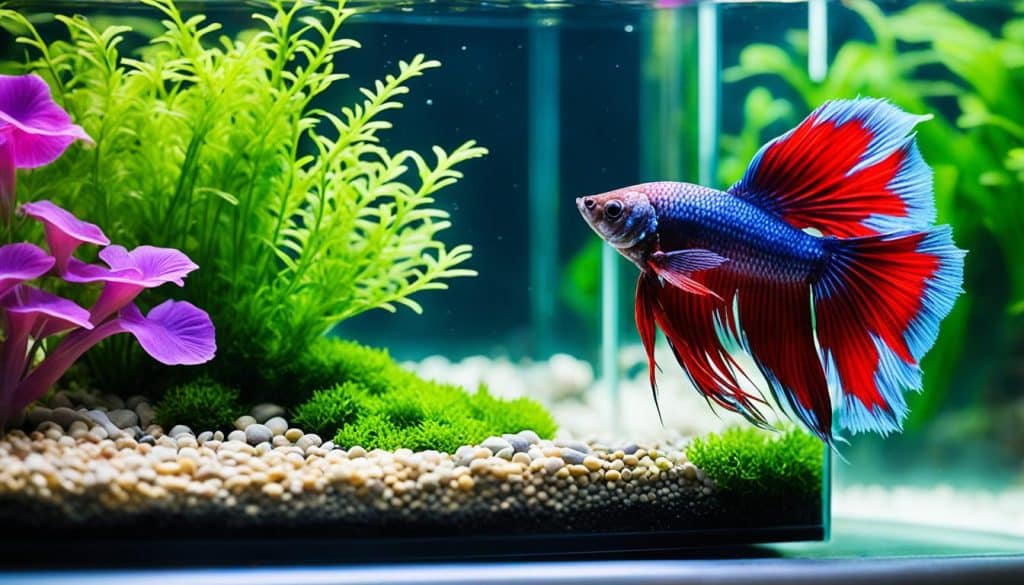
In this comprehensive Betta Fish Care Guide, we will provide you with valuable tips and information to help you keep your pet betta fish healthy and thriving. From choosing the right type of betta fish to setting up the perfect tank, providing nutritious food, and identifying and preventing diseases, we’ve got you covered.
Key Takeaways:
- Choosing the right type of betta fish is essential for tailored care.
- Setting up an ideal tank with proper water parameters and filtration systems is crucial.
- Providing a balanced diet with the right betta fish food is essential to their health.
- Maintaining optimal water quality through regular maintenance and water changes is key.
- Identifying and preventing common betta fish diseases is vital for their well-being.
Contact LA Pet Fair today at 619-281-7387 for tickets or information on how to become a vendor at our show!
Understanding Betta Fish Types
Betta fish, also known as Siamese fighting fish, are renowned for their stunning beauty and vibrant colors. These fascinating creatures come in a variety of types, each with its own unique characteristics and care requirements.
The Most Common Betta Fish Types
1. veiltail betta: The veiltail betta is one of the most popular types. It has a long, flowing tail that fans out like a veil, making it a visually striking choice for any aquarium.
2. crowntail betta: The crowntail betta features elaborate fin extensions that resemble a crown. It’s known for its spiky-looking fins, creating a unique and eye-catching appearance.
3. halfmoon betta: The halfmoon betta has a tail that forms a full half-circle when fully spread, resembling a beautiful fan. This type requires a larger tank to accommodate its flowing fins.
4. plakat betta: The plakat betta, also known as the short-finned betta, has shorter fins compared to other types. It is known for its active nature and is a good choice for beginners.
5. delta betta: The delta betta has a tail fin that forms a triangle when fully displayed. It is a popular type due to its vibrant colors and ease of care.
Care Requirements for Betta Fish Types
Betta fish, regardless of their type, require similar care to ensure their well-being. Their tanks should be properly maintained with clean and conditioned water. The ideal water temperature should be around 78-80 degrees Fahrenheit, and a heater may be necessary to achieve this temperature. It is essential to provide them with a balanced diet of high-quality betta fish food, consisting of both pellets and occasional live or frozen treats.
Additionally, it’s important to create an enriching environment for your betta fish. Include hiding spots such as plants or caves to provide a sense of security. Observing their behavior and ensuring they have mental stimulation is crucial to their overall health and happiness.
Understanding the different betta fish types and their care requirements will help you choose the perfect companion for your aquarium. Stay tuned for the next section focusing on creating the ideal betta fish habitat.
Creating the Ideal Betta Fish Habitat
A proper tank setup is crucial for the well-being of your betta fish. At LA Pet Fair, we understand the importance of providing a suitable and comfortable habitat for these beautiful aquatic pets. We will guide you through the process of choosing and setting up the ideal tank, ensuring that your betta fish thrives in its new home.
Choosing the Right Tank
When selecting a tank for your betta fish, consider size and shape. Betta fish prefer tanks that are at least 5 gallons in size. This allows them to swim and explore their environment freely. Additionally, tanks with a longer shape, such as rectangular or square tanks, are better suited for betta fish as they offer more horizontal swimming space.
Water Parameters
Maintaining proper water parameters is essential for the health of your betta fish. Ensure that the water temperature remains between 78-82°F (25-28°C) and the pH level is around 7.0. Investing in a quality heater and thermometer will help you monitor and regulate the temperature accurately.
Decorations
Adding decorations to your betta fish tank not only enhances its aesthetic appeal but also provides hiding places and enrichment for your fish. Opt for tall plants such as java ferns or betta bulbs, which provide shelter and resting spots for your betta. Avoid sharp or rough decorations that could potentially harm your fish.
Filtration Systems
Proper filtration is essential to maintain water quality and prevent the accumulation of waste that can be harmful to your betta fish. Choose a filtration system that is specifically designed for betta fish tanks, ensuring gentle water flow. Avoid strong filtration that can cause stress to your betta fish.
- Use a sponge filter or a filter with low flow rate
- Perform regular filter maintenance by cleaning or replacing filter media
- Keep a close eye on the water parameters to detect any fluctuations
By following these guidelines, LA Pet Fair aims to help you create a comfortable and thriving habitat for your betta fish. Providing an ideal tank setup will contribute to the overall well-being of your beloved fish.
At LA Pet Fair, our mission is to provide valuable knowledge and resources to pet owners. Contact us today at 619-281-7387 for tickets or information on how to become a vendor at our show!
Feeding Your Betta Fish
Proper nutrition is crucial for the health and well-being of your betta fish. Providing a balanced diet that meets their nutritional needs is essential to ensure they thrive. In this section, we will share valuable tips on selecting the right betta fish food, establishing a feeding schedule, and determining the ideal portion size for your aquatic friend.
Selecting the Right Betta Fish Food
When it comes to feeding your betta fish, it’s important to choose high-quality food specifically formulated for bettas. Look for options that contain essential nutrients like protein, vitamins, and minerals. Pellet and flake foods are commonly available and can offer a well-rounded diet. Additionally, frozen and live foods such as bloodworms, daphnia, and brine shrimp can be added occasionally to provide variety and additional nutrients.
Establishing a Feeding Schedule
Betta fish have small stomachs and should be fed small meals throughout the day instead of a large meal all at once. Split their daily portion into two to four feedings, spaced out evenly. This approach mimics their natural feeding behavior and prevents overeating, which can lead to digestive issues and obesity. Consistency is key, so try to establish a regular feeding schedule.
Determining the Ideal Portion Size
One of the most common mistakes betta fish owners make is overfeeding. It’s essential to provide the right portion size to prevent digestive problems and maintain their overall health. A good rule of thumb is to feed them an amount they can consume within two minutes, removing any uneaten food to avoid water pollution. Each betta fish is unique, so monitor their body condition and adjust the portion size accordingly.
Feeding your betta fish the right food, at the right time, and in the right amount will contribute to their overall health and happiness. Remember to observe your fish closely during mealtime to ensure they are eating properly. If you notice any unusual behavior or changes in appetite, consult with a veterinarian experienced in fish care to rule out any underlying health concerns.
Contact LA Pet Fair today at 619-281-7387 for tickets or information on how to become a vendor at our show!
Maintaining Water Quality for Your Betta
Maintaining optimal water quality is vital for the overall health and longevity of your betta fish. Clean water is essential to ensure a thriving and happy environment for your fish.
One of the first steps in maintaining water quality is regular testing. We recommend using a reliable water testing kit to monitor the parameters of your betta fish tank. This will help you ensure that the pH levels, ammonia, nitrite, and nitrate levels are within the appropriate range for your betta’s well-being.
Regular maintenance tasks are also crucial in keeping the water clean and safe for your fish. This includes removing debris, excess food, and waste from the tank regularly. You may also need to clean the tank walls and decorations to prevent the buildup of algae and harmful bacteria.
Proper water changes play a significant role in maintaining water quality. Regularly replacing a portion of the tank water helps remove toxins and replenish essential minerals. We recommend changing approximately 25% of the water every week to keep it fresh and clean for your betta fish.
When performing water changes, it is essential to use a water conditioner to remove any chlorine or chloramine from tap water. This will ensure that your betta fish is not exposed to harmful chemicals that can be detrimental to their health.
Remember, maintaining optimal water quality is vital for the overall well-being of your betta fish. By regularly testing the water, performing maintenance tasks, and conducting proper water changes, you create a healthy and thriving environment for your beloved betta.
Tips for Maintaining Water Quality:
- Invest in a reliable water testing kit to monitor the parameters of your betta fish tank.
- Regularly remove debris, excess food, and waste from the tank.
- Clean the tank walls and decorations to prevent the buildup of algae and harmful bacteria.
- Change approximately 25% of the water every week to keep it fresh and clean.
- Use a water conditioner to remove chlorine or chloramine from tap water during water changes.
Preventing and Treating Common Betta Fish Diseases
Betta fish are beloved pets known for their vibrant colors and graceful movements. However, they are also susceptible to various diseases that can compromise their health and well-being. In this section, we will discuss common betta fish diseases, their symptoms, prevention strategies, and treatment options to help you keep your fish healthy.
Common Betta Fish Diseases:
- Fin Rot: A bacterial infection that causes the deterioration of the betta fish’s fins and tail. It is typically characterized by frayed or discolored fins.
- Ich: Also known as white spot disease, ich is caused by a parasite and manifests as small white spots on the fish’s body and fins.
- Velvet: Velvet disease is caused by a parasitic infection and appears as a fine golden or rust-colored dusting on the betta fish’s skin.
Recognizing Symptoms:
Early detection of diseases is crucial for successful treatment. Keep an eye out for the following symptoms:
- Loss of appetite or refusal to eat
- Lethargy and reduced activity
- Clamped fins or fin deterioration
- White spots or unusual growths on the body or fins
- Erratic swimming patterns or difficulty swimming
Prevention Strategies:
Prevention is always better than cure when it comes to betta fish diseases. Here are some preventive measures you can take:
- Maintain a clean and properly filtered tank
- Ensure appropriate water parameters (temperature, pH, ammonia levels)
- Quarantine new betta fish before introducing them to your main tank
- Avoid overfeeding and provide a balanced diet
Treatment Options:
If your betta fish develops a disease, prompt treatment is essential. Here are some common treatment options:
- Medicated fish food or water additives
- Isolation in a separate tank for recovery
- Using aquarium salt or medication recommended by a veterinarian
Remember, it’s important to consult a fish health professional or experienced aquarist for an accurate diagnosis and appropriate treatment plan for your betta fish’s specific condition.
If you have any further questions or need assistance with betta fish diseases, contact LA Pet Fair today at 619-281-7387. We are here to help!
Understanding Betta Fish Breeding
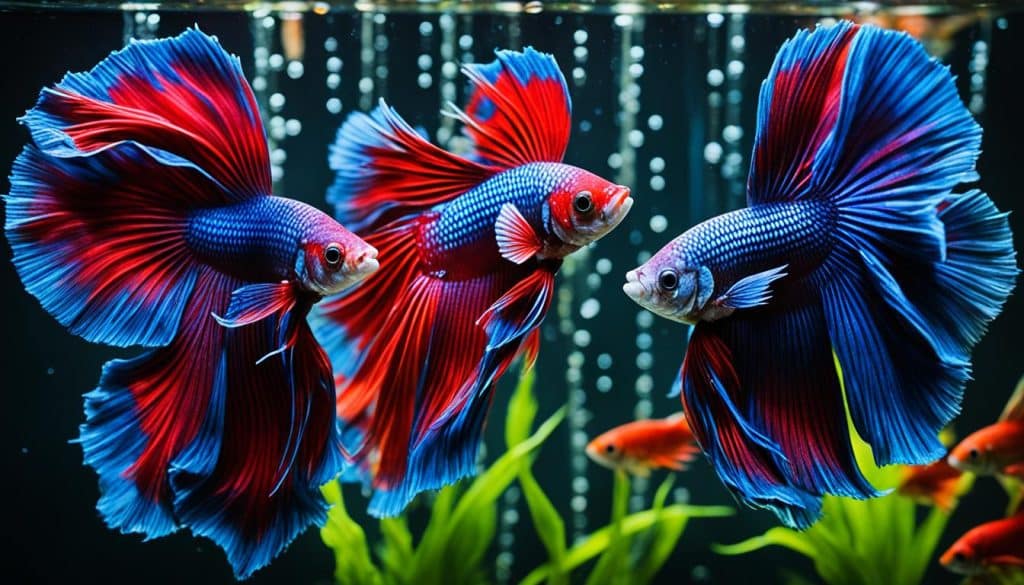
When it comes to betta fish breeding, careful planning and preparation are essential. Breeding betta fish can be a fascinating and rewarding experience for fish enthusiasts. In this section, we will provide you with an overview of the betta fish breeding process, including selecting breeding pairs, conditioning them for reproduction, and caring for the fry.
Selecting Breeding Pairs
The first step in betta fish breeding is selecting the right breeding pairs. It is important to choose healthy, mature bettas with desirable traits. Look for bettas with vibrant colors, well-developed fins, and robust body structure. Additionally, it is crucial to ensure that the male and female bettas have compatible temperaments to prevent aggression and stress during the breeding process.
Conditioning for Reproduction
Before introducing the breeding pairs, it is essential to condition them for reproduction. This involves providing a nutritious diet consisting of high-quality live and frozen foods to enhance their fertility and overall health. Conditioning also includes maintaining optimal water parameters in their separate tanks, such as stable temperature and pH levels, to stimulate breeding behavior.
Caring for Fry
Once successful breeding occurs, the female betta will lay eggs, which the male will fertilize and then collect in his mouth for incubation. After a few days, the fry will hatch, and the male betta will continue to care for them until they become free-swimming. During this time, it is crucial to provide appropriate nutrition for the fry, such as live or powdered fry food, and clean the tank regularly to maintain good water quality.
Betta fish breeding can be a complex and time-consuming process, requiring attention to detail and the ability to care for the expanded fish population. If you’re considering breeding betta fish, make sure you research thoroughly and understand the challenges involved.
Contact LA Pet Fair today at 619-281-7387 for tickets or information on how to become a vendor at our show!
Extending the Lifespan of Your Betta Fish
With proper care, betta fish can live for several years. To ensure your betta fish enjoys a long and healthy life, follow these tips:
- Provide a balanced diet: Feed your betta fish high-quality betta fish food that is specifically formulated to meet their nutritional needs. Include a variety of foods such as pellets, flakes, and frozen or live food to ensure they receive all the essential nutrients.
- Create a suitable environment: Maintain a clean and properly-sized tank for your betta fish. Ensure the water temperature is appropriate and maintain the correct pH level. Decorate the tank with plants and hiding spots to reduce stress and mimic their natural habitat.
- Perform regular health checks: Inspect your betta fish regularly for any signs of illness or injury. Look for changes in their behavior, appetite, or physical appearance. Regular health checks can help detect potential problems early on and allow for prompt treatment.
- Keep the water clean: Regularly clean and maintain the tank to ensure optimal water quality. Perform regular water changes and use a reliable filtration system to remove toxins and contaminants. Clean the tank accessories regularly to prevent the buildup of harmful bacteria.
- Avoid overfeeding: Overfeeding can lead to obesity, digestive issues, and a decreased lifespan for betta fish. Follow the recommended feeding guidelines and monitor your betta fish’s eating habits to prevent overfeeding.
By following these tips, you can extend the lifespan of your betta fish and enjoy their companionship for years to come.
Contact LA Pet Fair today at 619-281-7387 for tickets or information on how to become a vendor at our show!
Ensuring Mental and Physical Stimulation for Your Betta Fish
Betta fish, like any other pet, require mental and physical stimulation to thrive. Providing a stimulating environment and engaging activities will not only keep your betta fish happy but also promote their overall well-being. In this section, we will discuss some essential aspects of betta fish care to ensure they receive the mental and physical stimulation they need.
Enrichment Activities
Introducing enrichment activities can help keep your betta fish mentally engaged and prevent boredom. Consider adding objects such as floating toys or plants for them to explore and swim around. The inclusion of live plants in their tank not only provides a natural environment but also offers hiding places and opportunities for hunting. Just be sure to use live plants suitable for betta fish tanks.
To further stimulate your betta fish, you can place a small mirror outside their tank for short durations. This will create the illusion of another betta fish, triggering their natural instinct to display their vibrant fins and colors. However, limit the mirror exposure to avoid causing stress.
Tank Mates
While betta fish are known for their beauty, they can be territorial and aggressive towards other fish. However, there are certain species that can be compatible tank mates for bettas. It’s essential to choose tank mates that have similar temperament and care requirements.
Suitable tank mates for betta fish include peaceful species with non-aggressive behavior, such as certain types of tetras, corydoras catfish, or snails. Introducing tank mates can provide your betta fish with social interaction, minimizing their loneliness, and ensuring mental stimulation. However, always monitor their behavior to ensure compatibility and prevent any potential conflicts.
A Stimulating Environment
Creating a stimulating environment for your betta fish involves incorporating various elements in their tank. Adding natural decorations, such as driftwood or rocks, provides hiding spots and areas for exploration. You can also create gentle water flow using a filter or an air pump, mimicking their natural habitat. It’s crucial to maintain a suitable water temperature and quality for your betta fish’s health and comfort.
Remember to provide your betta fish with regular light and dark periods to mimic day and night cycles. This helps establish a routine and ensures they have adequate rest, contributing to their overall well-being.
By implementing enrichment activities, choosing appropriate tank mates, and creating a stimulating environment, you can ensure the mental and physical well-being of your betta fish. Providing them with the care they need will result in happy and healthy pets that bring joy to your home.
Contact LA Pet Fair today at 619-281-7387 for tickets or information on how to become a vendor at our show!
Common Myths and Misconceptions about Betta Fish Care
When it comes to betta fish care, there are many myths and misconceptions that can mislead well-intentioned pet owners. In this section, we will debunk these common myths and provide you with accurate information to ensure you are providing the best possible care for your betta fish.
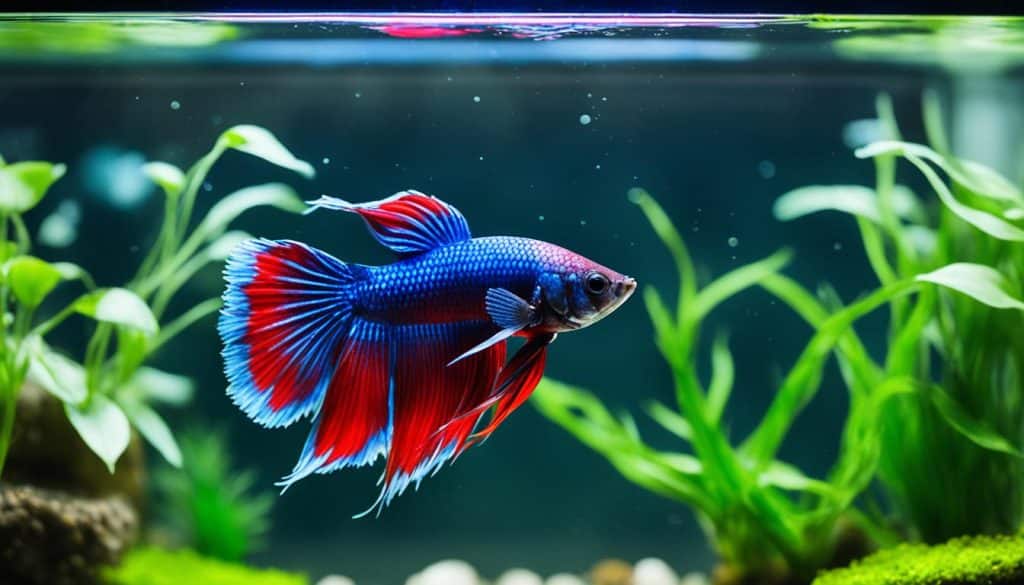
Myth 1: Betta fish can survive in small bowls or vases
Fact: Betta fish require a properly sized tank with adequate space for swimming and ventilation. Keeping them in small bowls or vases can lead to stress, stunted growth, and a shorter lifespan. It is recommended to provide a tank with a minimum capacity of 5 gallons.
Myth 2: Betta fish can thrive on a solely plant-based diet
Fact: Betta fish are omnivorous and require a diverse diet consisting of high-quality betta pellets, supplemented with occasional live or frozen foods such as brine shrimp or bloodworms. While they may nibble on aquatic plants, a solely plant-based diet is insufficient to meet their nutritional needs.
Myth 3: Betta fish prefer to live alone
Fact: While betta fish are known for their aggressive nature, they can coexist with certain tank mates. However, not all fish species are compatible with bettas, and careful consideration should be given to tank size, temperament, and compatibility when introducing tank mates.
Myth 4: Betta fish thrive in unheated water
Fact: Betta fish are tropical fish and require consistent water temperatures between 78-80°F (25-27°C) to stay healthy. Heating the water in their tank using an aquarium heater is essential, as fluctuating temperatures can stress and compromise their immune system.
Myth 5: Betta fish don’t need water filtration
Fact: Proper water filtration is crucial for maintaining optimal water quality. A good filtration system helps remove toxins, ammonia, and other waste materials from the water, promoting a healthier environment for your betta fish. Make sure to choose a filter suitable for the size of your tank.
Myth 6: Tap water is safe for betta fish
Fact: Tap water typically contains chemicals such as chlorine and chloramines that can harm betta fish. It is essential to treat tap water with a conditioner specifically designed for aquarium use to remove harmful substances and make it safe for your betta fish.
- Myth 7: Betta fish don’t need a consistent day-night cycle
Fact: Betta fish, like any other living creature, benefit from a consistent day-night cycle. It is essential to provide a regular light schedule for your betta fish, preferably 8-12 hours of light and 12-16 hours of darkness, to mimic their natural environment and promote proper rest and activity.
Contact LA Pet Fair today at 619-281-7387 for tickets or information on becoming a vendor at our show!
Troubleshooting Common Betta Fish Care Issues
Sometimes, despite our best efforts, betta fish care issues may arise. It’s important to be prepared and know how to address common problems that can affect the health and well-being of your betta fish. In this section, we will discuss some of the most common betta fish care issues and provide practical solutions to help you overcome them.
1. Fin Rot
Fin rot is a common bacterial infection that can cause the deterioration of your betta fish’s fins and tail. It is often caused by poor water quality, stress, or untreated wounds. To treat fin rot, you should first ensure that your betta fish is in a clean tank with proper water parameters. Regular water changes and the use of a reliable water conditioner can help prevent and treat fin rot. Additionally, you can add medications specifically designed to treat bacterial infections in fish, following the instructions provided.
2. Aggression
Betta fish are known for their territorial behavior and can become aggressive towards other fish, including their own species. If you notice your betta fish displaying aggressive behavior, such as flaring its fins or chasing other fish, it is essential to provide them with their own space. Consider housing your betta fish alone in a suitable tank and avoid introducing any tank mates that may trigger aggression. Providing plenty of hiding spots and visual barriers can also help reduce aggression in betta fish.
3. Stress
Stress can have a significant impact on the health and well-being of your betta fish. Common causes of stress include inadequate tank conditions, sudden changes in water temperature or quality, overfeeding, and poor handling. To minimize stress, ensure that your betta fish’s tank is properly maintained with stable water parameters, provide a comfortable and suitable environment, and handle your fish with care. Avoid disrupting your betta fish’s routine unnecessarily and maintain a consistent feeding schedule.
Final Thoughts
By understanding and addressing common betta fish care issues, you can ensure the health and well-being of your beloved pet. Remember to monitor your betta fish closely, maintain a clean and suitable tank environment, and provide them with proper nutrition and care. If you require further assistance or want to learn more about betta fish care, contact LA Pet Fair today at 619-281-7387 for tickets or information on becoming a vendor at our show!
Conclusion
By following the tips and information provided in this Betta Fish Care Guide, you will be equipped with the knowledge to provide optimal care for your betta fish. From understanding different betta fish types to creating the ideal habitat, feeding them nutritious food, maintaining water quality, preventing diseases, and extending their lifespan, we have covered all the essential aspects of betta fish care.
Remember, betta fish require mental and physical stimulation to thrive. Providing a stimulating environment, enrichment activities, and carefully selecting tank mates are crucial for their well-being. Additionally, it’s important to debunk common misconceptions about betta fish care and troubleshoot any issues that may arise.
Contact LA Pet Fair today at 619-281-7387 for tickets or information on how to become a vendor at our show! Our experts will be delighted to assist you and further enhance your understanding of betta fish care.