In this comprehensive guide, we will provide you with expert advice and essential tips on how to properly care for angel fish in your home aquarium. From understanding their needs to providing a suitable environment, we will cover everything you need to know to ensure the well-being of your angel fish.
Key Takeaways:
- Angel fish are tropical freshwater fish that require specific care and attention in an aquarium setting.
- Proper setup of the fish tank, including size, equipment, and decorations, is crucial for the well-being of angel fish.
- Monitoring water quality, including parameters such as temperature and pH, is essential for the health of angel fish.
- Feeding angel fish a balanced diet and maintaining a regular feeding schedule is important for their nutrition.
- Keeping a close eye on the health of angel fish and taking preventive measures against diseases is vital for their longevity.
Contact LA Pet Fair today at 619-281-7387 for tickets or information on how to become a vendor at our show!
Angel Fish: An Introduction
Welcome to the fascinating world of angel fish! In this section, we will provide you with an introduction to these beautiful creatures—they are sure to capture your heart. Let’s begin by exploring their natural habitat, breathtaking appearance, and intriguing behavior.
The Natural Habitat of Angel Fish
Angel fish, also known as Pterophyllum, are native to the tropical regions of South America. They inhabit freshwater environments such as rivers, streams, and flooded forests. These vibrant fish thrive in warm water with temperatures ranging between 78°F and 82°F.
Appearance of Angel Fish
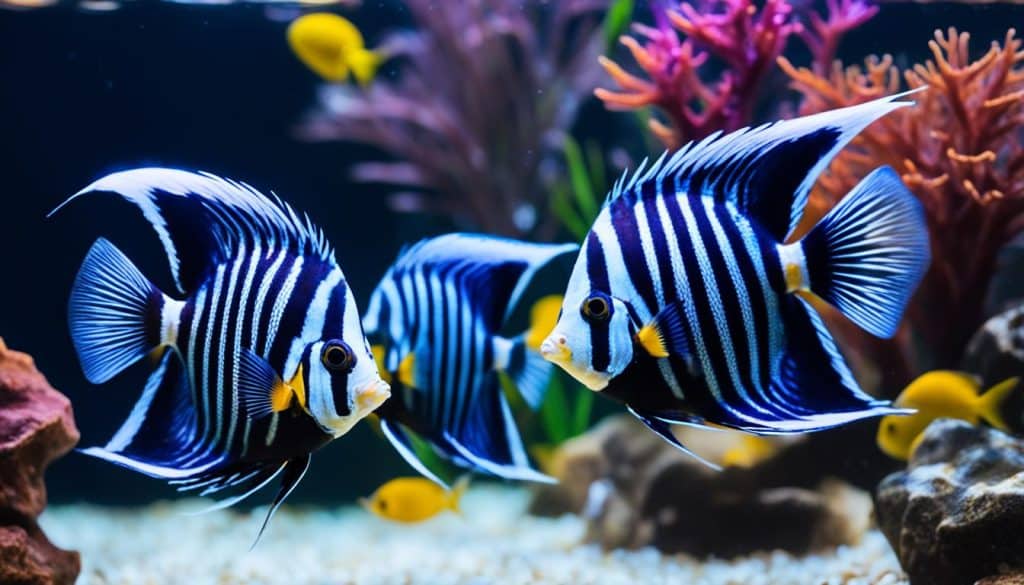
Angel fish are renowned for their stunning and elegant appearance. They possess a distinctive triangular body shape with elongated dorsal and anal fins. The coloration of angel fish varies greatly, with shades of silver, black, blue, and gold creating intricate patterns across their bodies. With their graceful movements and flowing fins, angel fish are truly a sight to behold.
Behavior of Angel Fish
Angel fish are known for their unique behavior, which adds to their charm. They are relatively peaceful creatures, although some species may exhibit territorial aggression during breeding or in confined spaces. These intelligent fish are highly interactive and can recognize their owners. Observing the social interactions and courtship displays of angel fish is both captivating and rewarding.
Different Species of Angel Fish
Within the angel fish family, there are various species that offer a diverse range of colors and patterns. Some of the most popular species include the Pterophyllum scalare (common angel fish), Pterophyllum altum (altum angel fish), and Pterophyllum leopoldi (Leopold’s angel fish). Each species has its own unique characteristics, making fish identification an exciting endeavor for aquarium enthusiasts.
Now that we have introduced you to the world of angel fish, you are ready to delve deeper into their care and the secrets to creating the perfect aquarium environment. In the next section, we will guide you through the process of setting up the ideal fish tank for your angel fish. Stay tuned!
Setting Up the Perfect Fish Tank
Creating a suitable fish tank environment is crucial for the health and happiness of your angel fish. At LA Pet Fair, we understand the importance of providing optimal conditions for your aquatic pets. Let us guide you on selecting the right tank size, equipment, water conditions, and decorations to ensure the perfect habitat for your angel fish.
1. Tank Size
The size of your fish tank plays a significant role in the well-being of your angel fish. As a general rule of thumb, provide a minimum of 20 gallons (75 liters) of water per adult angel fish. This allows them enough space to swim comfortably and reduces the risk of stress or aggression.
2. Equipment
Equipping your fish tank with the right tools is essential for maintaining optimal conditions. Here are some key pieces of equipment to consider:
- Filter: Choose a filter system that can adequately handle the size of your tank and maintain water cleanliness. A filter not only removes impurities but also helps oxygenate the water.
- Heater: Angel fish thrive in tropical freshwater environments with temperatures between 75°F to 82°F (24°C to 28°C). A reliable heater will ensure a consistent and appropriate temperature for your fish.
- Air Pump and Air Stone: Providing oxygenation is vital for the well-being of your angel fish. An air pump and air stone create water movement and increase the oxygen levels in the tank.
- Thermometer: Monitoring the temperature of your tank is important to ensure it remains within the suitable range for your angel fish.
3. Water Conditions
Maintaining proper water conditions is crucial for the health of your angel fish. Consider the following factors:
- Temperature: As mentioned earlier, angel fish prefer a water temperature between 75°F to 82°F (24°C to 28°C). Use a reliable heater and thermometer to maintain a consistent temperature.
- pH Level: Angel fish thrive in slightly acidic to neutral water conditions with a pH range of 6.5 to 7.5. Regularly test the pH levels and use appropriate chemical treatments if necessary.
- Water Hardness: Angel fish prefer water with moderate hardness. Aim for a range of 5 to 13 dGH (dissolved general hardness) for optimal conditions.
4. Decorations
Creating a stimulating and aesthetically pleasing environment is not only enjoyable for you but also beneficial for your angel fish. Consider the following when choosing tank decorations:
- Plants: Live or artificial plants provide hiding spots, recreation areas, and help maintain water quality by absorbing nitrates.
- Caves and Rocks: Provide suitable hiding places for your angel fish by incorporating caves or rocks in the tank. This helps them feel secure and reduces stress.
- Substrate: Choose a suitable substrate such as sand or gravel that is fine enough for your angel fish to dig through without damaging their delicate fins.
- Background: Consider adding a background image or colored paper to enhance the visual appeal of your tank and reduce stress by providing a sense of enclosure.
By following these guidelines, you can create the perfect fish tank environment for your angel fish. For more tips and advice on fish care, contact LA Pet Fair today at 619-281-7387. We are here to support you in providing the best care for your aquatic companions!
Water Quality and Filtration
Understanding water quality and filtration is crucial for maintaining a thriving fish tank. At LA Pet Fair, we prioritize the health and well-being of your freshwater fish, and proper water management is a key aspect of fish care.
Water parameters such as pH, temperature, and ammonia levels directly impact the health of your fish. Regular monitoring and maintenance are essential to ensure optimal conditions in the tank.
Importance of Water Parameters
The right balance of water parameters is essential for the overall health and vitality of your freshwater fish. pH levels should be monitored and adjusted to match the specific needs of your fish species. Temperature fluctuations can stress fish and lead to health issues, so maintaining a stable and suitable temperature is essential.
The Cycling Process
Before introducing your fish, it is crucial to establish a stable nitrogen cycle in your fish tank. This process involves the growth of beneficial bacteria that convert harmful ammonia into less toxic nitrate. Cycling your tank before adding fish helps prevent ammonia poisoning and provides a healthier environment for your fish.
The Benefits of Proper Filtration Systems
A reliable filtration system is a crucial component of a successful fish tank. It helps remove excess waste, uneaten food, and harmful toxins, ensuring clean and oxygenated water for your freshwater fish. A good filtration system also promotes biological filtration, providing a hospitable environment for beneficial bacteria to thrive.
Remember, regular maintenance, such as cleaning or replacing filter media, is necessary to keep the filtration system functioning optimally and maintaining water quality.
Our Expert Recommendation:
- Invest in a high-quality filtration system appropriate for the size of your fish tank.
- Regularly test and adjust water parameters to maintain optimal conditions.
- Follow the cycling process before introducing fish to your tank.
- Ensure regular maintenance and cleaning of your filtration system.
By understanding the importance of water quality and proper filtration, you can provide a healthy and thriving environment for your freshwater fish. Contact LA Pet Fair today at 619-281-7387 to learn more about fish care or book your tickets and become a vendor at our show!
Feeding and Nutrition
Proper nutrition is essential for the health and vitality of your angel fish. By understanding their dietary requirements and providing suitable food options, you can ensure their well-being. Here, we will provide guidance on feeding schedules, portion sizes, and important considerations regarding their nutrition.
Dietary Requirements
Angel fish are omnivores, meaning they eat both plants and small aquatic organisms. Their diet should consist of a balanced mix of protein-rich foods and plant matter. This combination mimics their natural diet in the wild and promotes optimal growth and coloration.
When it comes to protein sources, you can choose from a variety of options such as:
- Live or frozen foods like brine shrimp, daphnia, and bloodworms
- Pellets or flakes specifically formulated for angel fish
- High-quality fish food that includes a blend of animal and plant ingredients
In addition to protein, angel fish also require plant matter in their diet. Including the following types of food will help meet their nutritional needs:
- Vegetables like spinach, peas, and lettuce
- Spirulina flakes or pellets
- Algae wafers
Feeding Schedule and Portion Sizes
Establishing a regular feeding schedule is crucial for the well-being of your angel fish. It is recommended to feed them small amounts multiple times a day, instead of one large meal. This prevents overeating and maintains optimal water quality in the tank. A general guideline for feeding angel fish is to offer them as much food as they can consume within 2-3 minutes.
It’s important to note that overfeeding can lead to health issues and water pollution. As angel fish have small stomachs, it’s better to underfeed them slightly than to overfeed. Adjust the portion sizes based on how much your fish can consume without leaving excessive leftovers.
Remember to remove any uneaten food from the tank after feeding to prevent it from decomposing and causing water quality problems. Uneaten food can also serve as a breeding ground for harmful bacteria or fungi.
Important Considerations
When it comes to feeding your angel fish, there are a few important considerations to keep in mind:
- Provide a varied diet: Offering a diverse range of foods ensures that your angel fish receive a wide array of nutrients.
- Take age and size into account: Younger angel fish may require more frequent feedings and smaller food particles, while adult fish can consume larger food items.
- Observe their behavior: Pay attention to how your angel fish respond to different types of food. This will help you determine their preferences and adjust their diet accordingly.
By taking these feeding and nutrition guidelines into consideration, you can provide your angel fish with a balanced and nourishing diet that contributes to their overall health and vitality.
Health and Disease Prevention
Ensuring the well-being of your angel fish requires vigilant monitoring of their health and taking proactive measures to prevent diseases. At LA Pet Fair, we understand the importance of keeping your pet fish healthy and thriving. Here are some essential tips to help you maintain the optimal health of your beloved angel fish.
Regular Check-Ups
Regular veterinary check-ups are crucial for assessing the overall health of your angel fish. A veterinarian who specializes in fish care can conduct thorough examinations to detect any underlying health issues and provide appropriate treatment.
Proper Quarantine Practices
Before introducing new fish to your aquarium, it is necessary to quarantine them for a specific period. This quarantine period allows you to observe the new fish for any signs of illness and prevent potential diseases from spreading to the existing fish in the tank.
Water Quality Control
Maintaining optimal water conditions is vital for the health of your angel fish. Regularly test and monitor the water parameters such as pH, ammonia, nitrite, and nitrate levels. Proper filtration systems and routine water changes can help maintain a clean and well-balanced environment for your pet fish.
Diet and Nutrition
A balanced and nutritious diet plays a crucial role in keeping your angel fish healthy. Provide a varied diet consisting of high-quality flakes, pellets, and live or frozen foods suitable for their species. Avoid overfeeding and ensure proper portion sizes to prevent health problems related to obesity.
Hygiene Maintenance
Cleanliness is essential in preventing the buildup of harmful bacteria or toxins in the fish tank. Regularly clean the aquarium, removing any uneaten food, debris, and excess algae. Maintain proper filtration systems and regularly replace filter media as recommended by the manufacturer.
Contact LA Pet Fair today at 619-281-7387 for tickets or information on how to become a vendor at our show! Our team is dedicated to promoting fish care and providing valuable resources to pet fish owners.
Breeding Angel Fish
Interested in delving into the fascinating world of angel fish breeding? In this section, we will provide you with insights into the breeding behavior of angel fish, discuss the tank setup required for successful breeding, and guide you through the process of caring for eggs and fry.
When it comes to breeding angel fish, understanding their natural instincts and providing the right environment is crucial. Angel fish are known for their intricate courtship rituals and parental care. By creating the ideal conditions in your fish tank, you can support their breeding efforts and witness their remarkable reproductive behavior.
Here are some key factors to consider when breeding angel fish:
- Tank setup: To encourage breeding, it’s essential to set up a separate breeding tank. This tank should be equipped with appropriate hiding places such as plants and rocks where the angel fish can lay their eggs. Maintaining the right water conditions, such as temperature and pH levels specific to the species, is also important for successful breeding.
- Courtship behavior: Angel fish engage in elaborate courtship behavior, where the male and female swim together, display their fin colors, and sometimes even perform a dance. Observing and recognizing these courtship rituals is crucial in identifying when the breeding process is about to begin.
- Egg care: Once the female has laid her eggs, it’s essential to ensure their protection and proper care. Angel fish parents are known for taking care of their eggs and fry diligently. However, if their behavior becomes aggressive towards the eggs or other tank inhabitants, it might be necessary to separate them and provide a safe environment for the eggs to develop.
- Fry care: When the eggs hatch, the fry will require specific care and nutrition. They are initially nourished by the yolk sac attached to their bodies. As they grow, you will need to start feeding them small live or frozen foods suitable for their size. Ensuring proper filtration and water quality in the breeding tank is crucial during this stage, as the fry are more susceptible to adverse conditions.
Angel fish breeding can be a rewarding experience for fish enthusiasts. From observing the courtship rituals to witnessing the successful development of eggs and fry, the journey of breeding angel fish is truly fascinating.
Contact LA Pet Fair today at 619-281-7387 for tickets or information on how to become a vendor at our show!
Tankmates and Compatibility
Choosing suitable tankmates for your angel fish is crucial to maintain a harmonious environment in your fish tank. The compatibility of different fish species plays a vital role in preventing aggression and ensuring the well-being of your angel fish.
When selecting tankmates, it is important to consider the temperament, size, and behavior of the fish. Some compatible species for angel fish in a community tank include:
- Tetras
- Guppies
- Platies
- Swordtails
- Mollies
- Corydoras catfish
- Harlequin Rasboras
- Dwarf Gouramis
These fish species are generally peaceful and can coexist with angel fish. However, it is important to monitor their behavior and ensure that there is enough space in the tank for all the fish to thrive.
When introducing new fish to your tank, it is recommended to do so gradually. This minimizes stress and allows the angel fish to adjust to their new tankmates. Before introducing any new fish, make sure to quarantine them for a few weeks to prevent the spread of diseases.
Please note that while compatibility is essential, individual fish may have different temperaments. It is important to observe their behavior and be prepared to make adjustments if needed. If aggression or territorial issues arise, rehoming or separating the fish may be necessary for the well-being of all the tank inhabitants.
Contact LA Pet Fair Today at 619-281-7387 for tickets or information on how to become a vendor at our show!
Tank Maintenance and Cleaning
Proper tank maintenance is crucial for the overall health of your angel fish. Regular cleaning and maintenance routines will help maintain optimal water quality and provide a clean and healthy environment for your fish.
Here are some important steps to follow:
- Regular Cleaning: Create a cleaning schedule to remove any debris, uneaten food, or waste from the tank. Use a fish net or siphon to carefully remove dirt from the substrate without disturbing the fish.
- Water Changes: Perform regular water changes to keep the water parameters stable. This helps remove excess nitrates and other toxins that can harm your fish. Aim for a 25% water change every two weeks.
- Filter Maintenance: Clean your filter regularly according to the manufacturer’s instructions. This will ensure that it functions optimally and removes impurities from the water.
- Testing Water Parameters: Use a reliable water testing kit to monitor the ammonia, nitrate, and pH levels. This will help you identify any issues and take necessary measures to maintain balanced water conditions.
- Algae Control: Keep algae growth in check by maintaining proper lighting duration and avoiding excessive nutrient levels in the tank. You can also introduce algae-eating fish or use algae control products if necessary.
Remember, keeping the fish tank clean and well-maintained not only ensures the health and well-being of your angel fish but also enhances the overall aesthetic appeal of your aquarium. If you have any questions or need further guidance on tank maintenance and cleaning, feel free to reach out to our experts at LA Pet Fair by calling 619-281-7387.
Common Mistakes to Avoid
In our pursuit of providing the best care for our beloved pet fish, it’s essential to be aware of common mistakes that fish owners often make. By avoiding these pitfalls, we can ensure the well-being and happiness of our aquarium fish. Here are some common mistakes to look out for:
Poor Tank Setup
One of the most critical aspects of fish care is setting up the perfect aquarium environment. Many fish owners make the mistake of choosing the wrong tank size or neglecting the necessary equipment. Remember to provide your pet fish with enough space, suitable filtration systems, and proper lighting.
Overfeeding
Overfeeding is a common mistake that can have detrimental effects on your fish’s health. It’s important to establish a feeding schedule and stick to appropriate portion sizes. Remember, a well-balanced diet is crucial for your fish’s overall well-being.
Inadequate Water Quality
The quality of water in your fish tank plays a vital role in your fish’s health. Neglecting regular water changes or failing to monitor water parameters can lead to stress and disease. Ensure that you maintain the appropriate water parameters and establish a regular maintenance routine.
Adding Incompatible Tankmates
When introducing new fish to your aquarium, it’s essential to research their compatibility with your existing fish. Adding aggressive or incompatible tankmates can lead to territorial disputes and stress. Always choose fish species that can peacefully coexist.
Ignoring Signs of Illness
Vigilance is crucial in maintaining your fish’s health. Ignoring signs of illness or failing to address them promptly can have serious consequences. Regularly monitor your fish for any changes in behavior, appetite, or physical appearance and consult a veterinarian if needed.
Neglecting Tank Maintenance
Proper tank maintenance is vital for the overall well-being of your fish. Neglecting regular cleaning, water changes, and filter maintenance can lead to poor water quality and health issues. Establish a routine maintenance schedule and stick to it diligently.
By being aware of and avoiding these common mistakes, we can create a healthy and stress-free environment for our pet fish. Remember, providing proper fish care requires attention to detail and a commitment to their well-being. Contact LA Pet Fair today at 619-281-7387 for tickets and information on becoming a vendor at our upcoming show!
Fun Facts and Beyond
Did you know that angel fish are not only beautiful but also have fascinating mating rituals? These remarkable fish engage in intricate courtship dances, where the male and female swim together in a graceful, synchronized manner. This behavior is not only mesmerizing to watch but also serves as a way for them to establish their bond and readiness to mate.
Angel fish are also known for their stunning color patterns. Their vibrant hues and intricate markings make them a popular choice among aquarium enthusiasts. From the classic black and silver angelfish to the striking blue and orange varieties, there is a wide range of color combinations to choose from. These captivating colors add a touch of elegance to any freshwater tank.
If you want to learn more about angel fish and their fascinating world, there are plenty of additional resources available. Check out reputable websites, online forums, and books dedicated to fish species and care. The more you delve into the world of angel fish, the more you will appreciate their beauty and uniqueness.
Get inspired by the wonders of angel fish and create a captivating underwater realm in your home aquarium. Experience the joy of owning these mesmerizing creatures and witness their vibrant colors and fascinating behaviors up close.
Resource Recommendations:
- Website: FreshwaterAquarium.com – A comprehensive guide to freshwater fish species, including angel fish.
- Book: “The World of Angel Fish: Beauty and Behavior” by Max Fisher – Discover the intricate world of angel fish through this informative and visually stunning book.
- Online Forum: AngelFishLovers.com – Connect with fellow angel fish enthusiasts and share your experiences, tips, and questions.
Contact LA Pet Fair Today at 619-281-7387 for tickets or information on how to become a vendor at our show!
Conclusion
In conclusion, caring for angel fish requires a combination of knowledge, attention to detail, and dedication. By following the tips and advice outlined in this guide, you can create a thriving and beautiful aquarium that will be a source of joy for both you and your angel fish.
Remember to provide a suitable environment with the right tank size, water conditions, and decorations. Regularly monitor the water quality, ensure proper feeding and nutrition, and take preventive measures to keep your angel fish healthy.
Contact LA Pet Fair today at 619-281-7387 for tickets or information on how to become a vendor at our show! Join us and discover more about the fascinating world of aquariums and pet care.