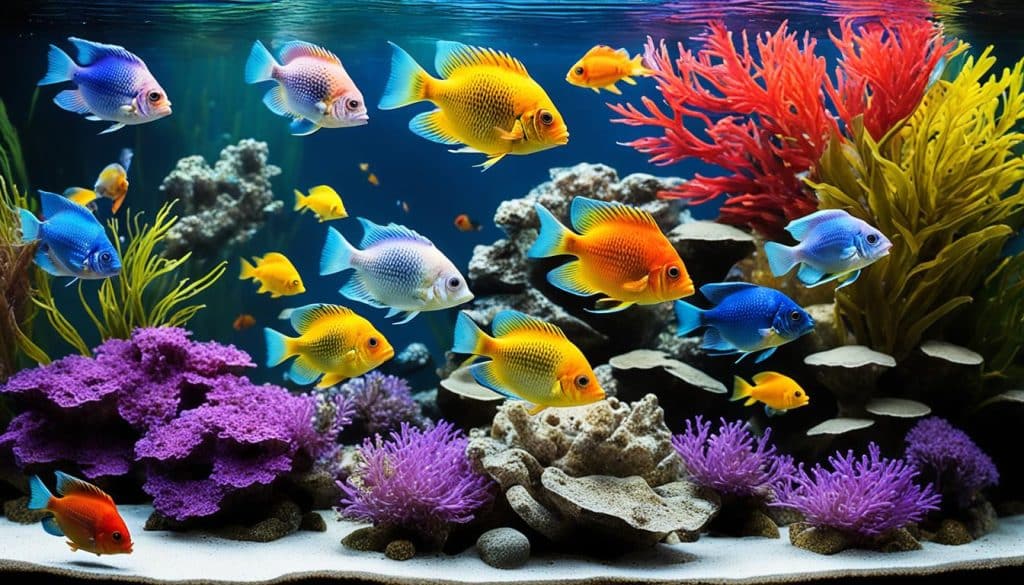
Welcome to our comprehensive guide on cichlid care! Whether you’re a beginner or an experienced fish enthusiast, we’re here to provide you with essential tips and insights to help your colorful cichlid fish thrive in your aquarium. From understanding different cichlid species to creating an ideal fish tank setup, we’ve got you covered. Let’s dive in and discover the fascinating world of cichlids!
Key Takeaways:
- Choose the right cichlid species that suits your preferences and tank setup.
- Set up your fish tank with appropriate size, filtration system, and water quality.
- Provide a balanced and nutritious diet for your cichlid fish.
- Consider the compatibility of cichlids with other fish species.
- Maintain optimal water quality by testing parameters and performing regular maintenance.
Grab your tickets now for our upcoming Pet Show on June 29-30, 2024, in Pomona, California. Enjoy an all-inclusive weekend pass for $20 for adults, $16 for kids (12 & under), and free admission for children aged 2 & under. We look forward to seeing you there for an amazing weekend of fun!
Understanding Cichlid Species
When it comes to cichlid fish, there are various species to explore, each with its unique characteristics and requirements. Let’s dive into the world of cichlid species and discover the wonders they hold.
African Cichlids
African cichlids are known for their vibrant colors and distinct patterns. Originating from the lakes of Africa, such as Lake Malawi, Lake Tanganyika, and Lake Victoria, these species offer a stunning visual display in any aquarium setup. They are known for their territorial behavior and prefer larger tanks with plenty of hiding places.
South American Cichlids
Hailing from the tropical waters of South America, including the Amazon basin, South American cichlids are known for their diverse range of sizes, shapes, colors, and behaviors. Popular species like the Discus and Angelfish can add elegance and grace to your aquarium, while others like the Oscar and Convict Cichlid bring a touch of boldness and charisma.
Central American Cichlids
Central American cichlids, primarily found in the freshwater lakes and rivers of Central America, are known for their resilience and adaptability. Species like the Firemouth Cichlid and Jack Dempsey possess striking colors and intriguing behavior. They thrive in well-maintained tanks with ample space for swimming and hiding.
Natural Habitat and Behavior
Understanding the natural habitat and behavior of cichlid species is crucial to creating a suitable aquarium environment. Some species prefer rocky setups with caves and crevices, while others thrive in planted tanks or open spaces. Researching the specific needs of your chosen cichlid species will help you recreate their natural habitat and provide an enriching environment.
Compatibility with Other Fish
When selecting cichlid species for your aquarium, it’s essential to consider their compatibility with other fish. While some cichlids are peaceful and can coexist with a variety of tankmates, others might exhibit territorial or aggressive behavior. It’s crucial to choose tankmates with similar temperament and size to promote a harmonious and safe community.
Now that we’ve explored the fascinating world of cichlid species, it’s time to move on and discover how to set up the ideal fish tank to provide these beautiful creatures with a thriving home.
Setting Up the Ideal Fish Tank
When it comes to creating the perfect environment for your cichlid fish, setting up the ideal fish tank is crucial. By considering key factors such as tank size, filtration system, water quality, and temperature control, you can provide your colorful companions with a habitat that mimics their natural surroundings and promotes their well-being.
First and foremost, the size of your fish tank is essential. Cichlid fish are active swimmers and require plenty of space to move around. As a general guideline, aim for a tank that can accommodate at least 1 gallon of water per inch of fish. This ensures enough swimming room for your cichlids to thrive.
Next, invest in a reliable filtration system. Proper filtration helps remove waste, toxins, and excess food from the water, maintaining optimal water quality for your fish. Look for a filtration system that suits the size of your tank and provides mechanical, chemical, and biological filtration.
Water quality is vital for the health of your cichlid fish. Regularly test the water parameters such as pH, ammonia, nitrite, and nitrate levels to ensure they are within the appropriate range for cichlids. Stability is key, so aim to maintain consistent water conditions by monitoring and adjusting as needed.
Temperature control is another essential aspect of creating an ideal fish tank for cichlids. Most cichlid species thrive in tropical temperatures ranging from 75°F to 82°F (24°C to 28°C). Use a reliable aquarium heater and thermometer to maintain a stable temperature in your fish tank.
By considering these key factors and creating a suitable environment that mimics their natural habitat, you can ensure the well-being and happiness of your cichlid fish. Join us for our upcoming Pet Show on June 29-30, 2024, in Pomona, California, for more insights and a fun-filled weekend. Grab your tickets now for an amazing weekend of fun with your fellow fish enthusiasts!
Feeding and Nutrition
Understanding the dietary needs of cichlid fish is crucial for their overall health and well-being. Providing them with a balanced and nutritious diet is a key aspect of fish care.
When it comes to feeding cichlids, it is important to offer a variety of foods to mimic their natural diet. They are omnivorous and can consume both plant matter and small organisms.
Here are some types of food suitable for cichlids:
- High-quality commercial cichlid pellets or flakes:
- Frozen or freeze-dried foods:
- Live foods:
- Vegetables and fruits:
It is recommended to feed cichlids small amounts of food multiple times a day rather than a large meal at once. This helps prevent overeating and maintains water quality in the tank.
Monitor their feeding habits and adjust the amount of food accordingly. Remember, overfeeding can lead to health issues and poor water quality.
By providing your cichlid fish with a well-balanced diet, you ensure that they receive all the essential nutrients they need to thrive in your aquarium.
Next, we’ll explore tank mates and compatibility to help you create a harmonious community in your aquarium.
Tank Mates and Compatibility
When it comes to creating a harmonious aquarium environment, understanding the compatibility of cichlid fish with other species is crucial. By selecting the right tank mates, you can ensure the well-being of your cichlids and maintain a peaceful coexistence in your fish tank.
Cichlids are known for their unique social behaviors and territorial nature, making it essential to choose companions that can adapt to their environment. Fish that share similar water chemistry preferences and temperaments are typically the best match for cichlids.
Here are some fish species that have shown compatibility with cichlids:
- Ancistrus (Bristlenose pleco)
- Tetras
- Catfish
- Barbs
- Danios
- Loaches

These fish not only coexist peacefully with cichlids but also add variety and visual appeal to your aquarium. However, it’s crucial to research each species’ care requirements and temperaments before introducing them to your tank. Additionally, avoid adding fish that are significantly smaller or aggressive, as they may become targets for cichlids’ territorial behavior.
Creating ample hiding places and establishing territories within the aquarium can also help minimize aggression between tank mates. Providing rock formations, caves, and plants as hiding spots will allow fish to retreat when they feel the need to establish their own space.
Remember, each fish has its own personality, so observing their behavior closely is essential. If any signs of aggression or stress are observed, it may be necessary to reevaluate the tank mates or make adjustments to the aquarium setup.
By promoting compatibility and understanding the social dynamics of your cichlid fish, you will create a harmonious and thriving aquarium environment that will delight both you and your fish.
Grab your tickets now for our upcoming Pet Show on June 29-30, 2024, in Pomona, California. All Access Weekend Passes are available for $20 for adults, $16 for kids (12 & under), and free for children 2 & under. We look forward to seeing you for an amazing weekend of fun!
Maintaining Water Quality
In order to ensure the health and well-being of your cichlid fish, it is crucial to maintain optimal water quality in your fish tank. By following these essential guidelines, you can create a clean and stable environment that promotes the thriving of your vibrant aquatic pets.
Testing Water Parameters
Regularly testing the water parameters of your fish tank is key to understanding its overall quality. Monitoring the levels of ammonia, nitrite, nitrate, pH, and temperature will help you identify any potential issues and take proactive measures to correct them. Test kits are readily available at pet stores and are easy to use.
Performing Regular Water Changes
Regular water changes are crucial for maintaining a healthy and balanced aquatic environment. Aim to change around 25% of the tank water every two weeks, using a siphon or aquarium vacuum to remove any debris or waste from the substrate. Be sure to treat the new water with a water conditioner to remove chlorine and chloramine before adding it to the tank.
Managing Algae Growth
Algae can be a common problem in fish tanks, as it can quickly grow and negatively impact water quality. To prevent excessive algae growth, ensure proper aquarium lighting and duration, as well as avoid overfeeding your cichlid fish. Regularly clean the tank walls and decorations to remove any algae buildup.
- Regular water testing helps maintain optimal water quality
- Performing regular water changes removes waste and debris
- Managing algae growth is essential for a clean and stable environment
By implementing these practices, you can create a healthy and thriving habitat for your cichlid fish, ensuring their long-term well-being. Don’t forget to grab your tickets now for our upcoming Pet Show on June 29-30, 2024, in Pomona, California. Join us for an amazing weekend of fun and connect with fellow fish enthusiasts!
Common Health Issues and Diseases
Ensuring the well-being of our tropical fish is essential for every fish owner. In this section, we will discuss common health issues and diseases that can affect cichlid fish. By understanding these conditions, we can take proactive measures to prevent and treat them, ensuring the optimal health of our beloved fish companions.
1. Ich
 Ich, also known as white spot disease, is a common parasitic infection in tropical fish, including cichlids. It manifests as small white spots on the fish’s body and fins, causing irritation and discomfort. To treat Ich, we recommend using appropriate medications and adjusting the water temperature to aid in the eradication of the parasite. Regular water changes and a clean environment also play a crucial role in preventing the spread of Ich among your fish.
2. Fin Rot
Fin Rot, as the name suggests, affects the fins of tropical fish. It is usually caused by bacterial infections and can lead to the deterioration of the fish’s fins, making them look ragged and frayed. To prevent Fin Rot, maintaining good water quality through regular water changes and providing a balanced diet is essential. If your cichlid shows signs of Fin Rot, isolating the affected fish and treating it with appropriate medications can help promote healing and prevent the spread of the infection.
3. Bloat
Bloat, also known as dropsy, is a condition characterized by a swollen abdomen in fish. It is often caused by an internal bacterial infection or underlying organ dysfunction. To prevent bloat, it is crucial to maintain excellent water quality, avoid overfeeding, and provide a varied diet that meets the nutritional needs of your cichlids. If you suspect that your fish may have bloat, isolating and treating the affected fish promptly is essential for increasing their chances of recovery.
By staying vigilant and implementing preventative measures, we can create a healthy and thriving environment for our tropical fish. Regular observation, proper nutrition, and timely intervention can help prevent these common health issues and diseases, ensuring the well-being of our cichlid companions.
Grab your tickets now for our upcoming Pet Show on June 29-30, 2024, in Pomona, California, for more insights and a fun-filled weekend. All Access Weekend Pass: $20 Adults – $16 Kids (12 & Under) – 2 & Under Free. We look forward to seeing you for an amazing weekend of fun!
Conclusion
In conclusion, by following these tips and guidelines, you can create a thriving aquarium environment for your vibrant cichlid fish. Providing them with the proper care, proper nutrition, and a suitable tank setup is crucial for their overall health and longevity. Remember to choose the right cichlid species that suits your preferences and tank conditions, and learn about their natural habitat and behavior to ensure a harmonious community.
Join us for our upcoming Pet Show on June 29-30, 2024, in Pomona, California, where you can connect with fellow fish enthusiasts and gain more insights into cichlid care and other aspects of the aquatic world. It’s going to be a fun-filled weekend with educational seminars, interactive exhibits, and exciting activities for the whole family.
Don’t miss out on this amazing opportunity! Grab your tickets now for the Pet Show and create unforgettable memories with your loved ones. The All Access Weekend Pass is available at $20 for adults, $16 for kids (12 & under), and children 2 years and under get in for free. We look forward to seeing you there!