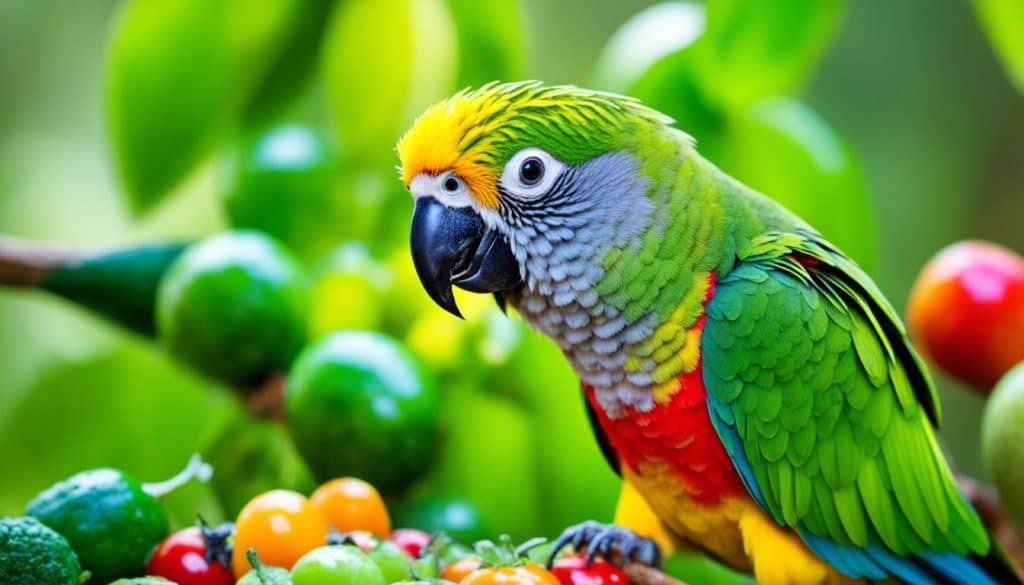
Welcome to our comprehensive Conures Care Guide! Whether you’re a new conure owner or looking to enhance your knowledge, we’re here to provide you with essential tips for keeping your feathered friend happy and healthy. Conures are known for their vibrant colors, playful personalities, and social nature. By understanding their unique care needs, you can create a loving and nurturing environment that allows your conure to thrive.
At [Brand Name], we are passionate about avian care and have curated this guide to ensure you have all the information you need. From diet and nutrition to training and socialization, we’ll cover every aspect of conure care. Our goal is to empower you to be the best conure parent you can be, fostering a strong bond and providing a fulfilling life for your feathered companion.
- Understanding conure species and their specific care requirements is crucial for their well-being.
- A balanced diet rich in essential nutrients plays a significant role in maintaining your conure’s health.
- Proper training and socialization help develop a strong bond and positive behavior with your conure.
- Consulting with a specialized avian veterinarian for specific concerns is recommended.
- By following the guidelines in this care guide, you can create a loving and nurturing environment for your conure.
Conure Species and Their Unique Care Needs
Conures are a diverse group of parrots that come in various species, each with its own specific care requirements. Understanding the unique needs of your conure species is crucial for providing the best possible care and ensuring their well-being.
Let’s take a closer look at some popular conure species and explore their distinct characteristics:
Sun Conure
Scientific name: Aratinga solstitialis
Size: Approximately 12 inches long
Lifespan: Up to 30 years
Diet: Sun conures have a diet consisting of fruits, vegetables, pellets, and a small portion of nuts and seeds.
Behavior: They are known for their playful and affectionate nature, requiring daily mental stimulation and social interaction.
Colors: Sun conures have vibrant plumage, featuring a mixture of orange, yellow, and green feathers.
Training: With patience and positive reinforcement, sun conures can be trained to perform tricks and mimic sounds.
Breeding: Sun conures reach sexual maturity around 2 to 3 years of age and may lay clutches of 3 to 6 eggs.
Health: Regular veterinary check-ups and a balanced diet are essential to ensure the overall well-being of sun conures.
Green Cheeked Conure
Scientific name: Pyrrhura molinae
Size: Approximately 10 inches long
Lifespan: Up to 30 years
Diet: Green cheeked conures require a diet consisting of pellets, fresh fruits, vegetables, and a limited amount of seeds.
Behavior: They are known for their curious and mischievous nature, requiring mental stimulation, toys, and regular out-of-cage time.
Colors: Green cheeked conures have a mix of green feathers with vibrant red on their tails and a grayish head.
Training: Green cheeked conures can be trained to perform simple tricks and can learn to mimic words.
Breeding: They reach sexual maturity around 1 to 2 years of age and may lay clutches of 4 to 6 eggs.
Health: Regular exercise, a nutritious diet, and annual veterinary check-ups contribute to the well-being of green cheeked conures.
Blue Crowned Conure
Scientific name: Thectocercus acuticaudatus
Size: Approximately 15 inches long
Lifespan: Up to 30 years
Diet: Blue crowned conures thrive on a balanced diet of pellets, fresh fruits, vegetables, and occasional seeds and nuts.
Behavior: They are known for their social and intelligent nature, requiring plenty of mental stimulation, toys, and social interaction.
Colors: Blue crowned conures have a predominantly green plumage with a blue crown on their heads.
Training: Blue crowned conures are intelligent and can be trained to perform tricks and learn complex behaviors.
Breeding: They reach sexual maturity around 2 to 3 years of age and may lay clutches of 3 to 4 eggs.
Health: Regular vet check-ups, a nutritious diet, and a spacious cage contribute to the well-being of blue crowned conures.
Remember, the information provided here is just a snapshot of a few conure species. It’s important to research and learn about the specific care needs of the conure species you own to ensure their health, happiness, and longevity.
| Conure Species | Average Size | Lifespan | Diet | Behavior |
|---|---|---|---|---|
| Sun Conure | Approximately 12 inches long | Up to 30 years | Fruits, vegetables, pellets, nuts, and seeds | Playful and affectionate, requires daily mental stimulation and social interaction |
| Green Cheeked Conure | Approximately 10 inches long | Up to 30 years | Pellets, fresh fruits, vegetables, limited seeds | Curious and mischievous, requires mental stimulation and regular out-of-cage time |
| Blue Crowned Conure | Approximately 15 inches long | Up to 30 years | Pellets, fresh fruits, vegetables, occasional seeds and nuts | Social and intelligent, requires mental stimulation and social interaction |
Proper Diet and Nutrition for Conures
Proper diet and nutrition play a vital role in maintaining the overall health and well-being of your beloved conure. By providing a balanced and nutritious diet, you can ensure that your feathered friend is getting the essential nutrients necessary for a happy and vibrant life.
Recommended Food Types: Conures thrive on a varied diet that includes a combination of high-quality pellets, fresh fruits, vegetables, and occasional treats. These different food types offer a range of vitamins, minerals, and antioxidants that contribute to their overall health.
Portion Sizes: It’s important to understand the appropriate portion sizes for your conure, as overfeeding can lead to obesity and associated health problems. Typically, a conure’s daily diet consists of approximately 70% high-quality pellets, 20% fresh fruits and vegetables, and 10% occasional treats.
Essential Nutrients: Conures require a balanced intake of essential nutrients, including protein, carbohydrates, healthy fats, vitamins, and minerals. Protein-rich foods such as cooked chicken or eggs can be included in their diet, while complex carbohydrates like whole grains and legumes provide energy. Healthy fats from sources like nuts or seeds are also beneficial to their diet.
| Nutrient | Sources |
|---|---|
| Protein | Chicken, eggs, legumes |
| Carbohydrates | Whole grains, fruits, vegetables |
| Healthy Fats | Nuts, seeds |
| Vitamins and Minerals | Leafy greens, colorful fruits |
Additionally, offering fresh water daily is essential to keep them hydrated. Make sure to replace the water regularly to prevent bacterial growth.
Tips for Maintaining Optimal Health
- Consult a avian veterinarian to determine the specific dietary needs of your conure based on their species, age, and overall health.
- Introduce new foods gradually to ensure your conure’s acceptance and to prevent digestive disturbances.
- Offer a variety of fruits and vegetables to provide a range of nutrients. Avoid avocados, chocolate, caffeine, alcohol, and other toxic foods.
- Monitor food consumption and adjust portion sizes according to your conure’s activity level and weight.
- Regularly clean food bowls and remove any uneaten or spoiled food to maintain hygiene.
By prioritizing a balanced and nutritious diet for your conure, you can contribute to their overall health and longevity. Remember, a healthy conure is a happy conure!
Training and Socializing Your Conure
When it comes to conure care, training and socialization play a crucial role in developing a strong bond with your colorful companion. With the right techniques, you can encourage positive behavior and create a harmonious environment for your conure to thrive.
Training Techniques for Conures
Conure training is essential to establish boundaries, promote mental stimulation, and teach desirable behaviors. Here are some effective techniques to get started:
- Positive reinforcement: Reward your conure with treats, praise, or affection when they exhibit the desired behavior, such as stepping up or obeying commands. This positive reinforcement encourages them to repeat the behavior in the future.
- Clicker training: Using a clicker, you can associate the sound with positive experiences like treats or praise. This helps your conure understand when they have performed the desired behavior correctly.
- Target training: Use a target stick or your finger to guide your conure to perform specific actions or move to desired locations. Reward them when they successfully follow the target.
Socialization Strategies for a Well-Adjusted Conure
Socializing your conure is crucial for their mental well-being and helps prevent behavioral issues. Here are some strategies to ensure your conure is well-socialized:
- Early socialization: Expose your conure to various experiences, environments, and people from a young age. This helps them become familiar with different stimuli and reduces the likelihood of fear or aggression later on.
- Handling and interaction: Regularly handle your conure gently and engage in positive interactions. This helps them develop trust, become comfortable with human touch, and enhances their sociability.
- Playtime and enrichment: Provide plenty of toys, puzzles, and playtime opportunities to keep your conure mentally stimulated and entertained. Rotate toys regularly to prevent boredom and encourage exploration.
By combining these training and socialization techniques, you can foster a loving and well-behaved conure. Remember to be patient, consistent, and always reward positive behavior. With time and effort, your conure will become a delightful companion.
Conclusion
In conclusion, this comprehensive care guide has provided you with essential tips and information to keep your conure healthy, happy, and thriving. By following these guidelines, you can create a loving and nurturing environment for your beloved feathered companion.
Remember to consult with a specialized avian veterinarian for specific concerns or additional advice. They can offer expert guidance tailored to your conure’s unique needs and help address any health or behavioral issues that may arise.
Whether you are a beginner or an experienced conure owner, it is crucial to stay updated on the latest advancements in conure care. Join us at our next big event near you or contact us online today for more information on upcoming educational workshops and seminars.
At [Brand Name], we are passionate about promoting the well-being of conures and fostering a community of knowledgeable and caring bird owners. We look forward to providing you with ongoing support, resources, and opportunities to connect with fellow conure enthusiasts. Together, we can ensure that every conure lives a happy, healthy, and fulfilling life.