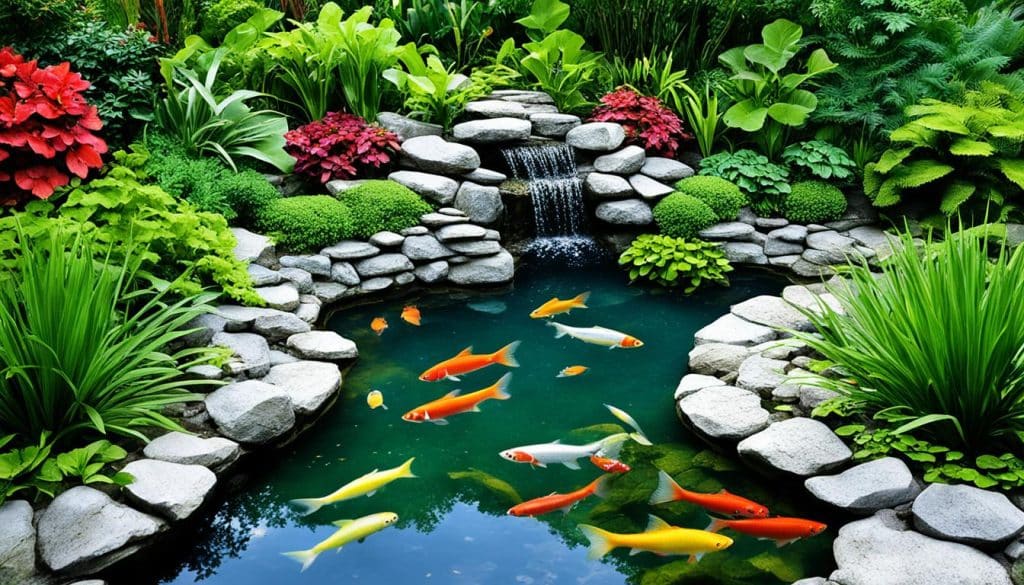
Welcome to our comprehensive guide on fish ponds! Whether you’re a seasoned fish pond enthusiast or just starting your aquatic journey, this article will provide you with valuable insights into the setup and maintenance of fish ponds. We’ll explore the essentials of designing a fish pond that suits your space and share expert tips for keeping your aquatic oasis thriving.
Creating a fish pond is more than just adding water and fish. It requires careful planning and maintenance to ensure a healthy and visually appealing environment for your aquatic companions. In this article, we’ll walk you through the step-by-step process of designing and installing your fish pond, as well as share tips for its long-term care and upkeep.
Key Takeaways:
- Designing a fish pond involves considering factors such as pond size, location, and available resources.
- Installing a DIY fish pond requires careful preparation, including proper equipment selection and site preparation.
- Regular maintenance tasks, such as water quality management and fish feeding, are essential for the health of your fish pond.
- Common fish pond issues, such as algae growth and equipment malfunctions, can be resolved with troubleshooting techniques.
- Enhancing your fish pond experience with decorative elements, lighting, and water features can elevate its visual appeal.
So get ready to dive into the fascinating world of fish ponds! Whether you’re looking to create a small backyard fish pond or a large koi pond, this guide will equip you with the knowledge you need. Let’s embark on this journey together and create a stunning aquatic oasis that will bring joy and serenity to your outdoor space.
Creating Your Perfect Aquatic Oasis
Welcome to the mesmerizing world of fish ponds! Dive into the enchanting realm of aquatics as we guide you on the journey of creating your very own backyard aquatic oasis. A backyard fish pond is not only a beautiful addition to your outdoor space but also a tranquil retreat that brings nature closer to home. With a bit of planning and a touch of creativity, you can transform your mundane backyard into a captivating haven filled with the grace and serenity of aquatic life.
When it comes to outdoor fish ponds, the options are endless. Whether you dream of a small, intimate pond nestled amidst lush greenery or a grand, sprawling pond that takes center stage in your backyard, the choices are vast. From traditional designs to contemporary styles, you can create a fish pond that reflects your personality and complements your outdoor aesthetics.
But creating a backyard fish pond isn’t just about the water. It’s also about the surrounding landscape that enhances the beauty of the pond. Fish pond landscaping is an integral part of the overall design, and it allows you to blend your pond seamlessly into its natural surroundings. With strategically placed rocks, vibrant aquatic plants, and carefully selected foliage, you can create a harmonious balance that transforms your fish pond into an enchanting focal point.
Explore our list of innovative ideas for fish pond landscaping and let your imagination run wild. From cascading waterfalls and bubbling fountains to stunning lighting effects, there are countless possibilities to elevate the ambiance of your aquatic oasis. Unleash your creativity and turn your backyard into a serene retreat that captivates not only the eyes but also the soul.
Designing Your Fish Pond
Designing your fish pond is a crucial step in creating a beautiful and functional aquatic environment. Whether you’re dreaming of a tranquil koi pond, a charming small fish pond, or an expansive large fish pond, careful planning and consideration are essential for success.
Key Considerations for Design
When designing your fish pond, there are several important factors to keep in mind:
- Location: Choose a spot in your yard that receives adequate sunlight and complements the overall aesthetics of your outdoor space.
- Size: Consider the space available and the type of fish you plan to keep. Koi ponds typically require larger dimensions, while small fish ponds can be more compact.
- Materials: Select durable materials such as preformed pond liners or concrete that will withstand the test of time and provide a stable foundation for your pond ecosystem.
- Water Source: Ensure easy access to a water source for filling and replenishing your pond.
- Filtration and Aeration: Incorporate a reliable filtration system and aeration equipment to maintain water quality and create a healthy environment for your fish.
To provide inspiration and assist you in envisioning your dream fish pond, take a look at the image below:
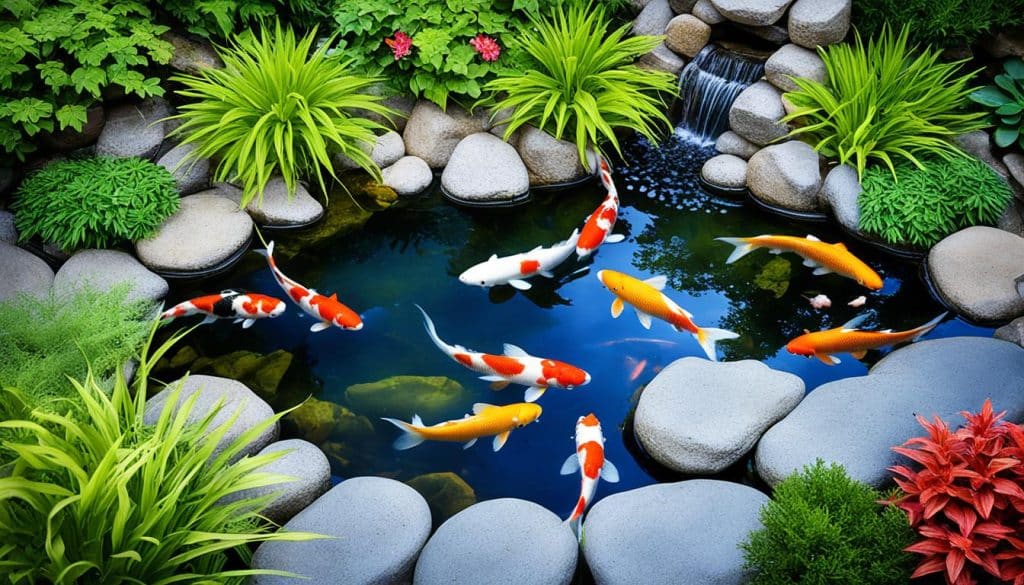
Koi Ponds
Koi ponds are known for their vibrant and graceful koi fish, often prized for their beauty and symbolism in various cultures. These ponds require careful design and specialized considerations, including sufficient depth, submerged vegetation, and a balanced ecosystem.
Small Fish Ponds
If you have limited space or prefer to keep smaller fish species, a small fish pond can be an enchanting addition to your outdoor space. These ponds can be creatively designed using various materials, such as barrels or containers, and can feature cascading waterfalls or charming rock formations.
Large Fish Ponds
For those seeking a grander aquatic showcase, large fish ponds offer an opportunity to create a visually stunning landscape. These ponds can accommodate a variety of fish species and may include sweeping designs, expansive water features, and intricately arranged flora.
By carefully considering these design elements and tailoring them to fit your preferences and space, you can create a fish pond that becomes the centerpiece of your outdoor oasis.
Fish Pond Installation Step-by-Step
Are you ready to embark on the exciting journey of building your own fish pond? A DIY fish pond can add beauty and serenity to your outdoor space, providing a peaceful retreat for both you and your aquatic friends. In this section, we will guide you through the step-by-step process of installing your very own fish pond, ensuring that you have all the necessary information to create a successful and thriving aquatic habitat.
1. Choosing a Suitable Location
The first step in installing a DIY fish pond is selecting the perfect location. Consider factors such as sunlight exposure, accessibility, and proximity to power sources. Your fish pond should ideally receive partial sunlight to ensure a balanced environment for your aquatic plants and fish.
2. Determining the Size and Shape
Once you’ve chosen the location, it’s time to decide on the size and shape of your fish pond. Consider the available space and your personal preferences. Remember to account for the adult size of your fish and leave ample room for them to swim and thrive.
3. Digging the Pond
Now it’s time to roll up your sleeves and start digging! Dig the hole according to the size and shape determined in the previous step, ensuring that the depth is suitable for your fish species. Remove any rocks, roots, or debris from the hole to create a smooth surface for your fish pond.
4. Installing the Liner
To prevent water leakage, it is essential to install a high-quality pond liner. Unroll the liner carefully and position it inside the hole, allowing it to drape over the edges. Smooth out any wrinkles or folds, ensuring a tight fit against the walls and bottom of the pond.
5. Adding the Necessary Equipment
Equip your fish pond with the necessary components to create a healthy and balanced ecosystem. This may include a filtration system, a pump, an aerator, and a heater (if required). Follow the manufacturer’s instructions for proper installation and placement of these essential equipment.
6. Filling and Decorating the Pond
Once the liner and equipment are in place, it’s time to fill your fish pond with water. Use clean, non-chlorinated water to maintain the health of your fish and plants. As the water fills up, you can also start adding decorative elements such as rocks, aquatic plants, and other natural ornaments to enhance the beauty of your DIY fish pond.
7. Introducing Fish and Monitoring Water Quality
After allowing the water to stabilize for a few days, you can introduce your fish to their new home. Take time to acclimate them to the water temperature and carefully release them into the pond. Monitor the water quality regularly, checking for pH levels, ammonia, and nitrate levels. Perform regular water changes and follow proper feeding practices to ensure the well-being of your fish.
By following these step-by-step instructions, you’ll be well on your way to successfully installing your own DIY fish pond. Enjoy the satisfaction of creating a beautiful and thriving aquatic oasis right in your backyard!
Fish Pond Maintenance: Keeping Your Aquatic Oasis Thriving
Proper maintenance is crucial for keeping your fish pond healthy and thriving. By regularly attending to maintenance tasks, you can ensure the longevity and well-being of your aquatic oasis. Here are some essential maintenance tasks to prioritize:
- Water Quality Management: Maintaining good water quality is vital for the health of your fish and plants. Regularly test the water for pH levels, ammonia, nitrates, and other parameters. Adjust the water chemistry as needed, and consider using a filtration system to keep the water clean.
- Fish Feeding: Provide proper nutrition for your fish by feeding them a balanced diet. Avoid overfeeding, as it can lead to water pollution. Feed your fish appropriate quantities of high-quality fish food and monitor their feeding behavior.
- Equipment Upkeep: Regularly inspect and clean your pond equipment, such as pumps, filters, and aeration systems. Remove debris and ensure all components are functioning properly. Replace any damaged or worn-out parts to maintain efficient operation.
- Plant Care: Take care of the plants in your fish pond by removing dead leaves, pruning overgrown foliage, and preventing the spread of invasive plants. This will help maintain a balanced ecosystem and prevent excessive nutrient buildup.
- Algae Control: Algae growth is a common issue in fish ponds. Implement strategies to control and manage algae, such as using algae-eating fish, adding floating plants for shade, and limiting the nutrient load in the water.
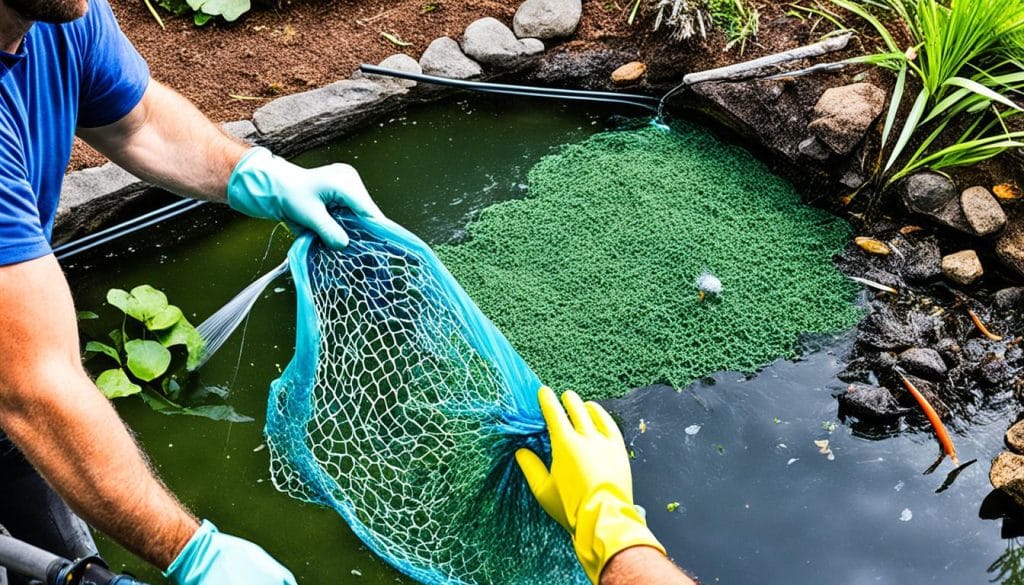
Maintaining your fish pond regularly will not only keep it visually appealing, but it will also promote the overall health and well-being of your aquatic inhabitants. By following these essential maintenance tips, you can create a thriving and beautiful aquatic oasis in your backyard.
Troubleshooting Common Fish Pond Issues
Fish pond maintenance is vital for ensuring the health and well-being of your aquatic environment. However, even with proper care, common issues can arise that may affect the overall balance and functionality of your fish pond. In this section, we will address these common problems and provide troubleshooting tips to help you overcome them effectively.
Poor Water Quality
One of the most common fish pond problems is poor water quality, which can result in unhealthy fish and plant life. To maintain optimal water quality, regularly test the water parameters such as pH, ammonia, nitrite, and nitrate levels. If any of these levels are off, take appropriate action. Adjust the pH levels using pH stabilizers, and consider adding beneficial bacteria to control ammonia and nitrite levels. Additionally, ensure proper filtration and aeration to promote a healthy aquatic ecosystem.
Algae Overgrowth
Excessive algae growth is another widespread issue in fish ponds. Algae can deplete oxygen levels, block sunlight, and create an unsightly appearance. To combat algae overgrowth, consider implementing the following strategies:
- Control nutrient levels by reducing the amount of fish food and adding aquatic plants that compete for nutrients.
- Add floating plants, such as water lilies or duckweed, to provide shade and limit sunlight exposure to the water surface.
- Introduce algae-eating fish or snails, such as koi or Japanese trapdoor snails, to help control algae naturally.
- Use algaecides or treatments specifically designed for ponds as a last resort, following the manufacturer’s instructions carefully.
Predators and Pest Infestations
Protecting your fish from predators and pest infestations is crucial for maintaining a thriving fish pond ecosystem. Common predators include herons, raccoons, and cats. To deter these animals, consider installing a pond net or using scare devices like motion-activated sprinklers or decoys. Additionally, monitor your pond regularly for signs of pest infestations, such as mosquito larvae or snail overpopulation. Use appropriate methods, such as introducing mosquito-eating fish or manually removing snails, to keep these pests under control.
Pump or Filter Malfunction
A malfunctioning pump or filter can disrupt the water circulation and compromise the overall health of your fish pond. Regularly inspect and clean your equipment, ensuring that the pump is functioning correctly and the filter is free from debris. If you encounter any issues, consult the manufacturer’s instructions or seek professional assistance to repair or replace the faulty components.
Unhealthy Fish Behavior
Observing unusual behavior in your fish, such as lethargy, gasping at the water surface, or changes in appetite, can indicate health problems or imbalances in your pond ecosystem. Conduct regular fish health checks and consult a veterinarian experienced in aquatic animal care if you notice any abnormalities. Additionally, ensure proper nutrition by feeding your fish a balanced diet and avoid overfeeding, which can lead to water quality problems.
By addressing these common fish pond issues promptly and implementing the appropriate troubleshooting tips, you can maintain a healthy and thriving aquatic environment for your fish and plants.
Enhancing Your Fish Pond Experience
Take your fish pond to the next level by incorporating these exciting ideas that go beyond the basics. With a touch of creativity and careful planning, you can transform your fish pond into a truly captivating and mesmerizing aquatic oasis.
One way to enhance your fish pond is by adding decorative elements. Consider placing beautifully crafted statues or sculptures around the pond to create a visually stunning focal point. These artistic pieces can add personality and charm to your outdoor space, making it a tranquil retreat.
Additionally, you can bring your fish pond to life by incorporating lighting features. Install underwater LED lights to illuminate the water, creating a magical ambiance during nighttime. The gentle glow will showcase the vibrant colors of your fish and accentuate the tranquility of the surroundings.
To further elevate your fish pond, consider introducing water features. Incorporating a small waterfall or a bubbling fountain can add a soothing sound element to your aquatic oasis. The gentle flow of water will create a peaceful atmosphere, bringing a sense of serenity to your outdoor space.
Lastly, don’t forget about the landscaping aspects of your fish pond. Surround the area with lush greenery, flowering plants, and aquatic vegetation to create a harmonious and natural setting. Carefully chosen landscaping elements can blend seamlessly with your fish pond, enhancing its overall beauty and appeal.
Enhancing Your Fish Pond Checklist:
- Add decorative elements such as statues or sculptures to create a visually stunning focal point.
- Install underwater LED lights to illuminate the water and highlight the colors of your fish.
- Incorporate water features like a small waterfall or bubbling fountain for a soothing sound element.
- Surround your fish pond with lush greenery, flowering plants, and aquatic vegetation to create a harmonious setting.
By implementing these ideas, you can transform your fish pond into a captivating and serene space where you can relax and enjoy the beauty of nature. Discover the endless possibilities for enhancing your fish pond experience and create a personal oasis that will leave a lasting impression.
Conclusion
We hope this guide has provided you with valuable insights into the setup and maintenance of fish ponds. By following these tips, you can create a stunning aquatic oasis that brings beauty and serenity to your outdoor space. Whether you’re a beginner or an experienced enthusiast, designing and maintaining a fish pond can be a rewarding experience.
Remember, when it comes to fish pond design, there are endless possibilities to explore. From incorporating different types of fish to creating unique features like waterfalls or lily pads, let your imagination run wild. The key is to find a balance between aesthetics and functionality, providing a safe and comfortable environment for your aquatic friends.
As you embark on your fish pond journey, don’t forget the importance of regular maintenance. Keeping an eye on water quality, performing routine cleaning tasks, and monitoring the health of your fish will ensure the longevity and success of your aquatic oasis. Remember, a well-maintained fish pond not only enhances the beauty of your outdoor space but also contributes to the overall health and well-being of your fish.
So, what are you waiting for? Dive into the world of fish ponds and create your own mesmerizing aquatic paradise. Whether you’re seeking tranquility, a unique focal point for your garden, or simply a new and exciting hobby, fish ponds offer a captivating experience for all. Get started today and bring the wonders of nature into your own backyard!