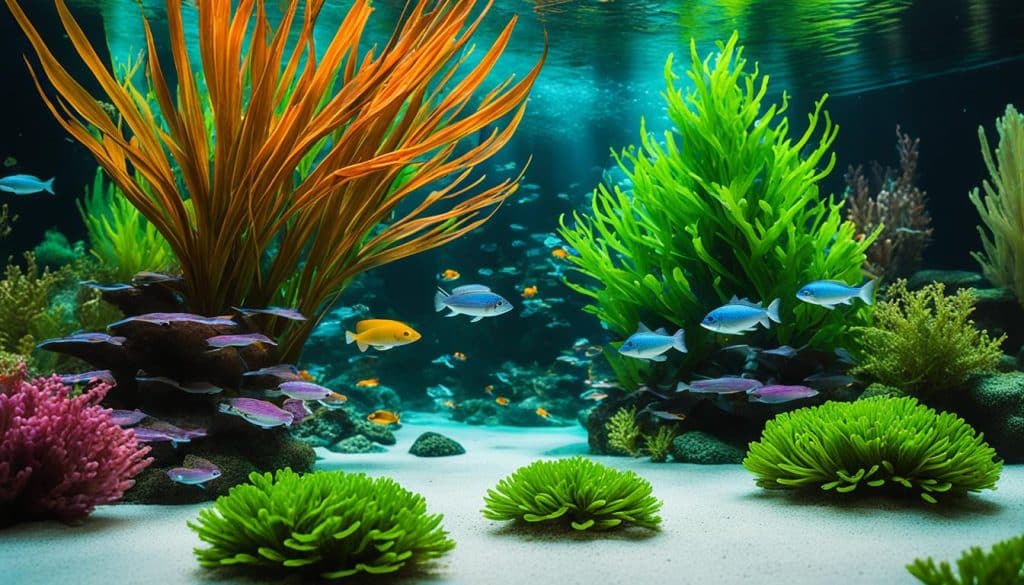
In this comprehensive guide, we will provide you with essential tips on how to create and maintain a beautiful planted aquarium for your Killi Fish. By following our expert advice, you can ensure that your aquarium will be a vibrant and thriving habitat for both your fish and the aquatic plants that you choose to include.
At LA Pet Fair, we are passionate about promoting the well-being of pets and providing pet owners with the knowledge and resources they need to create a healthy and stimulating environment for their beloved companions. Whether you are a seasoned aquarium enthusiast or a beginner looking to embark on this exciting journey, our guide will equip you with the information you need to succeed.
We understand that creating a thriving planted aquarium can seem daunting, but with the right guidance, it becomes an enjoyable and rewarding experience. From explaining why a planted aquarium is the ideal choice for your Killi Fish to providing step-by-step instructions on setting up and maintaining your tank, we have you covered.
Throughout this guide, we will discuss various aspects of creating a planted aquarium, including selecting suitable aquatic plants, establishing optimal lighting conditions, and addressing common challenges. Our aim is to empower you with the knowledge to create a stunning aquatic habitat that mimics the natural environment of your Killi Fish.
Are you ready to dive into the world of planted aquariums for Killi Fish? Let’s get started!
Key Takeaways:
- A planted aquarium closely replicates the natural habitat of Killi Fish, providing a more enriching environment.
- Aquatic plants offer numerous benefits for both the fish and the overall ecosystem of the aquarium.
- Starting a planted aquarium requires proper substrate, suitable plants, and the right lighting and filtration systems.
- Choosing the right plants is crucial for the success of your planted aquarium.
- Proper lighting and maintenance are essential for the health and growth of your aquatic plants.
Contact LA Pet Fair today at 619-281-7387 for tickets or information on how to become a vendor at our show! Don’t miss out on the opportunity to showcase your stunning planted aquarium.
Why Choose a Planted Aquarium for Your Killi Fish
Choosing a planted aquarium for your Killi Fish offers a range of advantages that enhance their well-being and replicate their natural habitat. In the wild, Killi Fish thrive in environments with dense vegetation, making a planted aquarium the perfect choice for recreating a natural and enriching habitat.
One of the main benefits of a planted aquarium is the symbiotic relationship between Killi Fish and aquarium plants. The plants provide essential oxygen, filtration, and natural hiding places for the fish, creating a harmonious ecosystem within your aquarium. This natural environment promotes the overall health and happiness of the fish as they swim among the lush greenery.
Aquarium plants not only offer visual appeal but also provide shade and shelter, reducing stress levels for Killi Fish. The presence of plants also encourages the fish to display their natural behavior, such as exploring and spawning, as they would in the wild. This promotes a more active and engaging aquarium experience for both you and your fish.
Another advantage of a planted aquarium is the biological balance it brings. The plants absorb excess nutrients such as nitrates, helping to prevent algae growth and maintaining water quality. This reduces the need for chemical treatments and creates a more stable and self-sustaining ecosystem for your Killi Fish.
By choosing a planted aquarium, you are not only creating a visually stunning underwater landscape but also providing a more natural and stimulating environment for your Killi Fish. Ensure their well-being while enjoying the beauty and benefits of live aquarium plants.
How to Start a Planted Aquarium
Starting a planted aquarium may seem daunting at first, but with the right knowledge and resources, it can be an enjoyable and rewarding experience. We will guide you through the step-by-step process of setting up a planted aquarium, including choosing the right substrate, selecting suitable plants, and establishing the proper lighting and filtration systems.
Choosing the Right Substrate
When setting up a planted aquarium, it’s important to select the appropriate substrate. A nutrient-rich substrate, such as specialized aquarium soil or gravel, provides essential nutrients for the plants’ growth. Make sure to choose a substrate that is compatible with the type of plants you plan to include in your aquarium.
Selecting Suitable Plants
The next step is to choose the right plants for your planted aquarium. Consider factors such as their growth rate, lighting requirements, and compatibility with your Killi Fish. Opt for aquatic plants that are known to thrive in aquariums and are suitable for the specific conditions in your tank.
Establishing Proper Lighting and Filtration Systems
Proper lighting and filtration systems are crucial for the success of a planted aquarium. Adequate lighting ensures that the plants can photosynthesize and grow efficiently. Consider investing in a quality aquarium light that matches the light requirements of your chosen plants. Additionally, a reliable filtration system will help maintain clean and healthy water conditions for both the plants and the fish.
By following these steps, you can establish a strong foundation for your planted aquarium and ensure the optimal growth and health of your aquarium plants.
Contact LA Pet Fair Today at 619-281-7387 for tickets or information on how to become a vendor at our show!
Selecting the Best Plants for Your Planted Aquarium
Choosing the right plants is crucial for the success of your planted aquarium. At LA Pet Fair, we understand the importance of finding the best plants that will thrive in your aquarium and create a stunning underwater landscape. Whether you’re a beginner or an experienced aquarium enthusiast, we have options that suit your preferences and skill level.
When selecting plants for your planted aquarium, it’s essential to consider factors such as growth rate, lighting requirements, and compatibility with your Killi Fish. Some plants, like Anubias and Java Fern, are known for their low-maintenance nature and ability to grow in low light conditions. These plants are perfect for beginner aquarists or those looking for hassle-free options.
If you’re up for a challenge and want to create a more elaborate planted aquarium, you can explore plants like Glossostigma elatinoides or Rotala indica. These plants require higher lighting levels and more care but can create a visually captivating aquatic environment.
Here are some popular aquarium plants that we recommend for your planted aquarium:
- Anubias barteri
- Java Fern (Microsorum pteropus)
- Vallisneria spiralis
- Cryptocoryne wendtii
- Ludwigia palustris
- Hydrocotyle verticillata
Remember, the selection of plants ultimately depends on the specific conditions of your aquarium, including lighting, substrate, and water parameters. It’s always a good idea to research each plant’s requirements and seek advice from experienced aquarists to ensure the best results.
At LA Pet Fair, we are dedicated to helping you create a thriving planted aquarium. Contact us today at 619-281-7387 for more information on our upcoming show or to inquire about becoming a vendor. Let us guide you towards the perfect plants for your planted aquarium!
Setting Up a Successful Planted Tank
Once you have selected your aquarium plants, it’s essential to set up the tank properly to ensure their growth and health. A well-designed planted tank not only provides a stunning visual display but also creates an optimal environment for your aquatic plants and fish to thrive. Here, we will discuss crucial aspects that contribute to a successful planted tank:
1. Substrate Preparation
Start by choosing a suitable substrate for your planted tank. The substrate serves as the foundation for your plants’ root systems and helps maintain water parameters. Opt for a nutrient-rich substrate specifically designed for planted aquariums. This will provide essential nutrients to your plants and promote healthy growth.
2. Water Chemistry
Proper water chemistry is crucial for the well-being of your plants and fish. Test and maintain appropriate water parameters, including pH, hardness, and temperature, to ensure optimal conditions for plant growth. Consider using a water conditioner to remove chlorine and other harmful substances from tap water.
3. Temperature and Lighting
A consistent temperature and suitable lighting conditions are essential for the growth of aquarium plants. Research the specific requirements of the plants you have chosen and provide the appropriate temperature range. Install a quality lighting system that provides the necessary spectrum and intensity for plant growth. Adjust the lighting duration to imitate natural daylight and prevent algae growth.
4. Nutrient Supplementation
In addition to the nutrients provided by the substrate, consider supplementing your planted tank with liquid fertilizers or root tabs. These products contain essential macro and micronutrients that promote healthy plant growth, ensuring vibrant colors and lush foliage.
By following these tips for a successful planted tank, you can create a visually stunning and low-maintenance planted aquarium. Remember to regularly monitor water parameters, provide proper lighting and fertilization, and make any necessary adjustments to ensure the ongoing health and vitality of your aquatic plants.
Contact LA Pet Fair today at 619-281-7387 for tickets or information on how to become a vendor at our show!
Creating the Perfect Lighting Conditions
Proper lighting plays a crucial role in promoting the growth and well-being of youraquarium plants. By providing the right lighting conditions, you can ensure that your plants thrive and maintain a healthy balance within your aquarium ecosystem. In this section, we will guide you through selecting the right lighting system and establishing a lighting schedule that mimics natural daylight.
Choosing the Right Lighting System
When it comes to selecting a lighting system for your planted aquarium, it’s essential to consider factors such as the type of plants you have, the size of your tank, and the desired light intensity. LED lights are a popular choice among aquarium enthusiasts due to their energy efficiency and customizable features. Fluorescent lights are also a viable option for low to medium light plants. Opt for a lighting system that provides a spectrum of light suitable for photosynthesis and growth.
Establishing a Lighting Schedule
Establishing a lighting schedule that mimics natural daylight is crucial for the overall health of your aquarium plants. Most plants require approximately 8 to 12 hours of light per day for optimal growth. Consider using a timer to automate the lighting schedule, ensuring consistent and appropriate lighting for your plants. Avoid leaving the lights on for an extended period as it can promote algae overgrowth and disrupt the natural day-night cycle.
Key Tips:
- Gradually increase and decrease the intensity of the lights when turning them on or off to mimic sunrise and sunset.
- Monitor the health of your plants and make adjustments to the lighting schedule if necessary. Some plants may require more or less light depending on their individual needs.
By following these tips, you can create the perfect lighting conditions for your low maintenance planted aquarium, supporting the growth and vitality of your aquarium plants while preventing common issues such as algae overgrowth.
Contact LA Pet Fair today at 619-281-7387 for more information on how to become a vendor at our show or to get tickets for our upcoming event!
Maintaining a Healthy Planted Aquarium
A well-maintained planted aquarium requires regular care to ensure the health of both the plants and the fish. By following our maintenance guidelines, you can keep your planted aquarium flourishing with minimal effort.
- Water changes: Regular water changes are essential for maintaining water quality in your planted aquarium. Aim to replace approximately 10-20% of the water every 1-2 weeks using a siphon or a suitable water changer.
- Pruning: As your aquarium plants grow, it’s important to trim and prune them to maintain their desired shape and prevent overcrowding. Use clean, sharp scissors or pruning tools to carefully remove any excessive growth or dead leaves.
- Nutrient supplementation: Depending on your aquarium setup and the needs of your plants, you may need to supplement nutrients such as iron, potassium, and trace elements. Choose fertilizers specifically formulated for aquarium plants and follow the recommended dosage instructions.
Regular maintenance tasks like water changes, pruning, and nutrient supplementation are crucial for the overall health and longevity of your planted aquarium. Remember to monitor water parameters such as temperature, pH, and ammonia levels regularly to ensure optimal conditions for both your fish and plants.
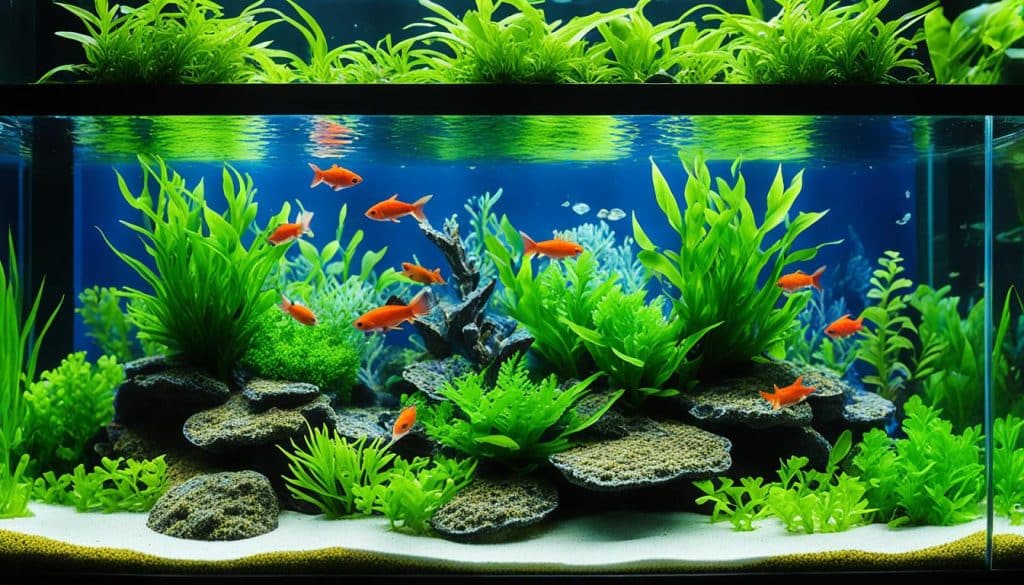
Contact LA Pet Fair Today at 619-281-7387 for tickets or information on how to become a vendor at our show!
Addressing Common Challenges in Planted Aquariums
In addition to the many benefits of having a low maintenance planted aquarium with beautiful aquarium plants, there are some common challenges that aquarium enthusiasts often face. By being aware of these challenges and taking proactive measures to address them, you can ensure the long-term health and vibrancy of your planted aquarium.
1. Algae Growth
One of the most common challenges in planted aquariums is the growth of algae. Algae can thrive in a variety of conditions, including excessive light, poor water circulation, and imbalanced nutrient levels. To prevent excessive algae growth, it’s important to maintain a consistent lighting schedule, provide proper filtration and water movement, and regularly test and adjust nutrient levels. Additionally, consider introducing algae-eating fish or invertebrates that can help control algae growth.
2. Nutrient Deficiencies
Aquarium plants rely on essential nutrients to grow and thrive. Nutrient deficiencies in the aquarium can lead to stunted growth, yellowing leaves, and overall poor plant health. To avoid nutrient deficiencies, it’s important to provide a balanced fertilizer regimen that includes macronutrients (nitrogen, phosphorus, and potassium) as well as micronutrients (iron, magnesium, and trace elements). Regularly test the water parameters and adjust the nutrient supplementation accordingly.
3. Fish-Plant Interactions
While having fish in a planted aquarium can add beauty and diversity, it’s important to choose fish species that are compatible with aquarium plants. Some fish, particularly those that are herbivorous or have a tendency to uproot plants, may damage or consume your aquarium plants. Research the specific needs and behaviors of the fish species you keep to ensure that they won’t pose a threat to your plants. Providing appropriate hiding places and adding plant-friendly fish species can help mitigate any potential issues.
By being proactive in addressing these common challenges, you can maintain a healthy and flourishing low maintenance planted aquarium with beautiful aquarium plants that will bring joy and tranquility to your home or office space.
Contact LA Pet Fair Today at 619-281-7387 for tickets or information on how to become a vendor at our show!
Showcasing Your Planted Aquarium – Join LA Pet Fair Today!
If you’re passionate about your planted aquarium and want to share it with others, why not join the LA Pet Fair? We offer opportunities for both exhibitors and attendees to showcase and explore a variety of aquarium setups.
LA Pet Fair is the perfect platform to display the beauty and creativity of your planted aquarium. Whether you’re an experienced aquarist or just starting out, this event is a fantastic way to connect with fellow enthusiasts, learn new techniques, and gain inspiration for your own aquarium setups.
As an exhibitor, you have the chance to display your stunning planted aquarium to a wide audience of like-minded individuals. Show off your carefully curated plant selection, innovative aquascaping techniques, and the thriving ecosystem you’ve created within your tank.
If you’re an aquarium hobbyist looking to enhance your knowledge and explore new possibilities, LA Pet Fair is a must-visit event. Immerse yourself in the world of planted aquariums, engage in informative discussions with experts, and discover the latest trends and products in the industry.
Join us at LA Pet Fair and be part of a vibrant community dedicated to the beauty and wonder of planted aquariums. Contact LA Pet Fair today at 619-281-7387 for tickets or information on how to become a vendor at our show!
Conclusion
Creating a vibrant and thriving planted aquarium for your Killi Fish is an enriching experience that benefits both you and your pets. By following the tips and guidance provided throughout this guide, you can enjoy the beauty of a lush aquatic habitat while ensuring the well-being of your fish and plants.
Remember to always prioritize proper care and maintenance to sustain the health and longevity of your planted aquarium. Regular water changes, pruning, and nutrient supplementation are essential tasks to keep your aquarium thriving. Additionally, maintaining the perfect lighting conditions and addressing common challenges such as algae growth are crucial for a successful low-maintenance planted aquarium.
If you’re passionate about showcasing your planted aquarium and connecting with fellow hobbyists, don’t miss out on the opportunity to join the LA Pet Fair. Contact us today at 619-281-7387 for tickets or information on how to become a vendor at our show. Let’s celebrate the beauty and diversity of planted aquariums together!