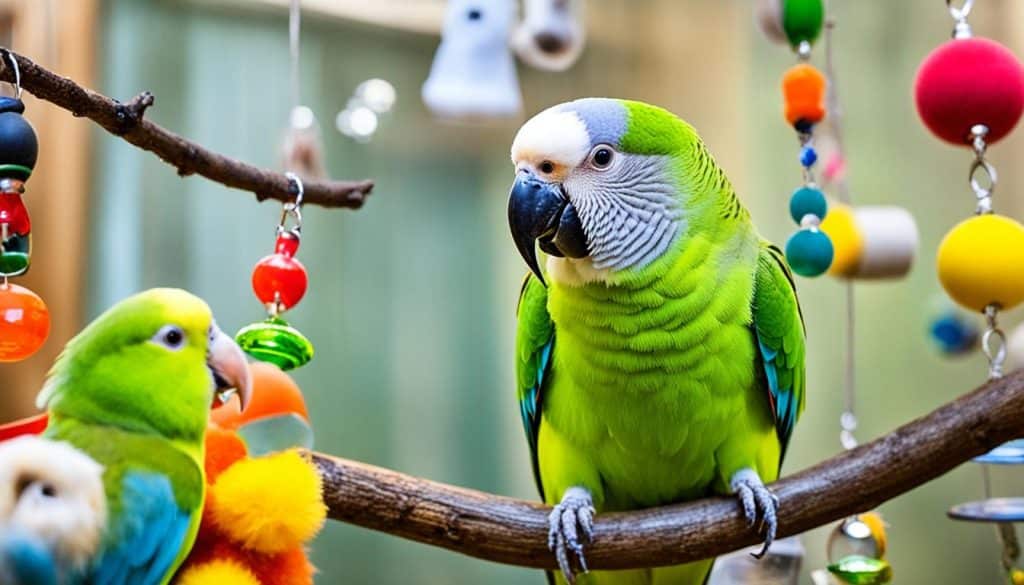
In this comprehensive guide, we will provide you with essential tips and facts about monk parakeet care. From their habitat and diet to their lifespan and behavior, we will cover everything you need to know to ensure the well-being of your vibrant feathered friend.
Key Takeaways
- Monk parakeets require proper care to thrive and be happy.
- Understanding their habitat is crucial for creating a suitable living environment for your pet.
- Providing a balanced diet, clean living space, social interaction, and mental stimulation are essential for their well-being.
- Monk parakeets have unique colors, origins, vocalizations, intelligence, and social behavior.
- By following the tips and facts in this guide, you can build a stronger bond with your monk parakeet.
Grab your tickets now for our upcoming Pet Show on June 29-30, 2024, in Pomona, California. All Access Weekend Pass: $20 Adults – $16 Kids (12 & Under) – 2 & Under Free. We look forward to seeing you for an amazing weekend of fun!
Understanding Monk Parakeet Habitat
Monk parakeets are known for their adaptability and can be found in various habitats, including urban areas, forests, and agricultural lands. These versatile birds have successfully adapted to living in both natural and human-modified environments.
In their natural habitat, monk parakeets build complex nests made of interconnected chambers using twigs and branches. These nests can be found in trees, tall bushes, or man-made structures such as utility poles and cell towers. The intricate design of their nests provides shelter and protection for the birds.

Understanding the monk parakeet habitat is crucial when creating a suitable living environment for your pet parakeet. In captivity, it is essential to mimic their natural surroundings to ensure their physical and psychological well-being.
Creating the Ideal Habitat
When setting up the habitat for your monk parakeet, consider the following:
- Provide a spacious cage or aviary with enough room for the parakeet to fly and exercise.
- Include perches of different sizes and textures to promote foot health and prevent boredom.
- Add toys and enrichment activities to stimulate the parakeet’s mind and prevent behavioral issues.
- Offer a variety of bird-safe branches for climbing and chewing.
- Ensure the cage is located in a draft-free area away from direct sunlight and extreme temperatures.
By recreating a suitable habitat for your monk parakeet, you can provide them with a safe and comfortable living environment that meets their natural needs.
Essential Monk Parakeet Care Tips
Providing proper care is vital for the health and happiness of your monk parakeet. To ensure a thriving and contented pet, here are some important care tips you should follow:
1. Balanced Diet
Monk parakeets require a diverse and well-balanced diet to meet their nutritional needs. Provide them with a mix of high-quality pellets, fresh fruits and vegetables, and occasional treats such as nuts or seeds. Make sure to remove any uneaten food to maintain cleanliness.
2. Clean Living Environment
Keep your monk parakeet’s living area clean and hygienic. Regularly clean the cage or aviary, including perches, food bowls, and toys. Replace bedding material, such as newspaper or sand, at least once a week. This helps prevent the buildup of bacteria and ensures a healthy environment for your bird.
3. Regular Social Interaction
Monk parakeets are highly social birds and thrive on companionship. Spend quality time with your parakeet daily, engaging in activities like gentle handling, talking, and playing. They enjoy being part of the family and appreciate the opportunity to bond with their human companions.
4. Mental Stimulation
Keep your monk parakeet mentally stimulated to prevent boredom and encourage natural behaviors. Provide them with toys, puzzles, and interactive games that challenge their intelligence. Rotate toys frequently to maintain interest, and consider introducing foraging activities to mimic their natural instinct to search for food.
By following these essential care tips, you can ensure the overall well-being and happiness of your monk parakeet.
For more expert advice on monk parakeet care and to learn about other fascinating pets, don’t miss our upcoming Pet Show on June 29-30, 2024, in Pomona, California. Grab your tickets now for an amazing weekend of fun!

Monk Parakeet Facts Worth Knowing
Monk parakeets are fascinating birds with unique characteristics. In this section, we will delve into intriguing facts about their origins, colors, vocalizations, intelligence, and social behavior. These facts will help you better understand your monk parakeet and build a stronger bond with them.
1. Origin
Monk parakeets, also known as Quaker parrots, are native to South America, particularly Argentina and surrounding countries. They were introduced to the United States as pets and have successfully established feral populations in some areas.
2. Vibrant Colors
One of the standout features of monk parakeets is their vibrant plumage. They sport a combination of green, gray, and blue feathers, with accents of yellow on their faces and throats. Their colorful appearance adds beauty and vibrancy to any aviary or home.
3. Chattering Vocalizations
Monk parakeets are known for their chattering vocalizations. They can mimic human speech and other sounds, making them entertaining and interactive pets. However, it’s important to provide them with a quiet and calm environment to avoid excessive noise and stress.
4. Intelligent Birds
Monk parakeets are highly intelligent and curious birds. They require mental stimulation to prevent boredom, which can lead to behavioral issues. Interactive toys, puzzles, and regular out-of-cage playtime are essential to keep their active minds engaged.
5. Social Behavior
Monk parakeets are highly social birds and thrive in the company of other parakeets or humans. They form strong bonds with their human companions and enjoy interactive activities. Providing them with opportunities for socialization and playtime will promote their overall well-being and happiness.
6. Nesting Skills
Monk parakeets are excellent nest builders. They construct elaborate nests made of interwoven twigs and branches, forming communal structures that can house several pairs. Their superb nesting skills make them intriguing to observe and study.
Discover more fascinating monk parakeet facts at our upcoming Pet Show on June 29-30, 2024, in Pomona, California. Grab your tickets now for an exciting weekend of fun! All Access Weekend Pass: $20 Adults – $16 Kids (12 & Under) – 2 & Under Free. We look forward to seeing you there!
Conclusion
We hope this monk parakeet care guide has provided you with valuable information to nurture and care for your feathered friend. By creating an appropriate habitat, following essential care tips, and understanding their unique characteristics, you can ensure the well-being and happiness of your monk parakeet for years to come.
If you’re interested in learning more about monk parakeets and other pets, don’t forget to grab your tickets for our upcoming Pet Show on June 29-30, 2024, in Pomona, California. It’s going to be an amazing weekend of fun for the whole family!
Join us at the Pet Show and get ready to immerse yourself in a world of all things pet-related. With our All Access Weekend Pass priced at $20 for adults, $16 for kids (12 & Under), and free admission for children aged 2 and under, there’s no reason to miss out on this exciting event. We look forward to seeing you there!