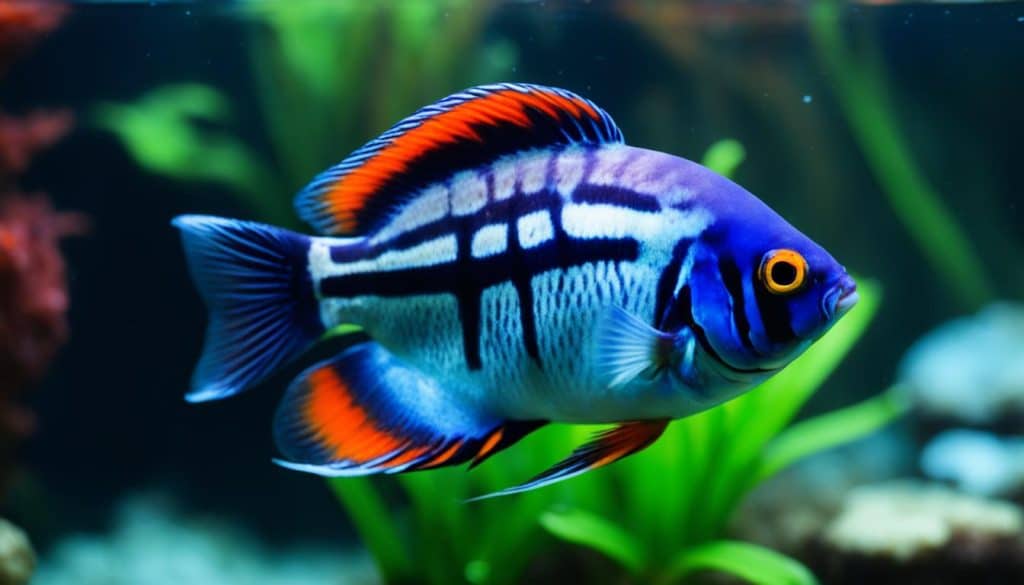
Welcome to our comprehensive Oscar Fish Care Guide, where we provide you with essential tips and guidelines to ensure the health and happiness of your Oscar fish. Whether you’re a novice fish owner or a seasoned enthusiast, we have valuable information that will help you provide the best care for your aquatic friend.
Oscar fish, scientifically known as Astronotus ocellatus, are popular freshwater fish species known for their vibrant colors and captivating personalities. With proper care, these intelligent creatures can live for more than ten years, becoming cherished members of your family.
In this guide, we will cover everything you need to know about Oscar fish care, from setting up the perfect tank to understanding their behavior, feeding habits, tank mates, common diseases, and even breeding tips. By the end of this guide, you’ll have all the knowledge to provide a thriving environment for your Oscar fish.
Key Takeaways:
- Proper tank setup is crucial for the well-being of your Oscar fish.
- Understanding their feeding habits and nutritional needs is essential for their overall health.
- Learning about Oscar fish behavior helps create a harmonious environment.
- Choosing compatible tank mates is important to prevent aggression.
- Knowing about common diseases and prevention measures keeps your fish healthy.
- Exploring breeding tips and guidelines if you’re interested in expanding your fish family.
Setting Up the Perfect Oscar Fish Tank
Creating the ideal environment for your oscar fish is crucial for their well-being and happiness. By setting up a suitable tank, you can provide them with a comfortable and thriving habitat. In this section, we will discuss various aspects of oscar fish tank setup to help you create the perfect home for your aquatic companions.
Tank Size
The first consideration when setting up an oscar fish tank is the tank size. Oscars are large and active fish, so they require a spacious tank to swim and explore. A minimum tank size of 55 gallons is recommended for a single oscar, with larger tanks preferable for multiple fish or to accommodate their growth.
Water Parameters
Maintaining suitable water parameters is essential for the health and thriving of your oscar fish. Keep the water temperature between 74°F and 81°F (23°C – 27°C) and maintain a pH level between 6.5 and 7.5. Regularly test the water quality and ensure proper filtration to keep it clean and free from harmful substances.
Filtration
Adequate filtration is crucial for removing waste and maintaining a clean and healthy environment in the oscar fish tank. Choose a filtration system that can handle the tank’s size and provides mechanical, biological, and chemical filtration. Regularly clean and maintain the filter to ensure its optimal performance.
Decorations
Adding decorations to the oscar fish tank not only enhances its aesthetic appeal but also provides hiding spots and territorial boundaries for the fish. Incorporate driftwood, rocks, and caves into the tank to create natural hiding places. Be sure to choose decorations that are safe for your oscar fish and won’t harm them.
An example of a perfectly set up oscar fish tank.
Feeding Habits and Nutritional Needs
Proper nutrition is crucial for the well-being of your oscar fish. Feeding your fish a balanced and nutritious diet will not only help them maintain optimal health but also enhance their vibrant colors. In this section, we will explore the feeding habits of oscar fish, recommended diet, frequency, and tips for ensuring they receive the nutrients they need to thrive.
When it comes to feeding oscar fish, it’s essential to provide a varied diet to mimic their natural feeding habits. These omnivorous fish are opportunistic feeders, meaning they will eat both meaty and plant-based foods.
- Commercial Pellets: High-quality pellets specifically formulated for oscar fish should be the staple of their diet. These pellets provide essential nutrients and are available in various sizes to accommodate the mouth size of your oscar fish.
- Frozen or Fresh Foods: It’s advisable to supplement their diet with frozen or fresh foods to replicate their natural diet. Offer them foods such as brine shrimp, bloodworms, daphnia, and chopped vegetables like peas and spinach. These foods provide additional nutrients and introduce variety to their meals.
Feeding your oscar fish should adhere to a regular schedule. Aim to feed them small portions multiple times a day, as their metabolism benefits from frequent meals. It’s important to avoid overfeeding as it can lead to health issues and water quality problems in the tank.
Tips for Feeding Oscar Fish:
- Observe their feeding behavior: Oscars are known for being enthusiastic eaters. Watch them closely during feeding times to ensure they are consuming their food adequately.
- Monitor water conditions: Uneaten food can quickly deteriorate water quality. Remove any uneaten food from the tank promptly to maintain a clean and healthy environment for your oscar fish.
- Consider feeding live food occasionally: If you want to provide additional mental stimulation for your oscar fish, consider offering live prey occasionally. However, ensure that the live food is from a reputable source to avoid introducing diseases or parasites into the tank.
By following these feeding habits and providing a balanced diet, you can promote the overall well-being of your oscar fish, keeping them happy, healthy, and thriving in their aquarium.
Understanding Oscar Fish Behavior
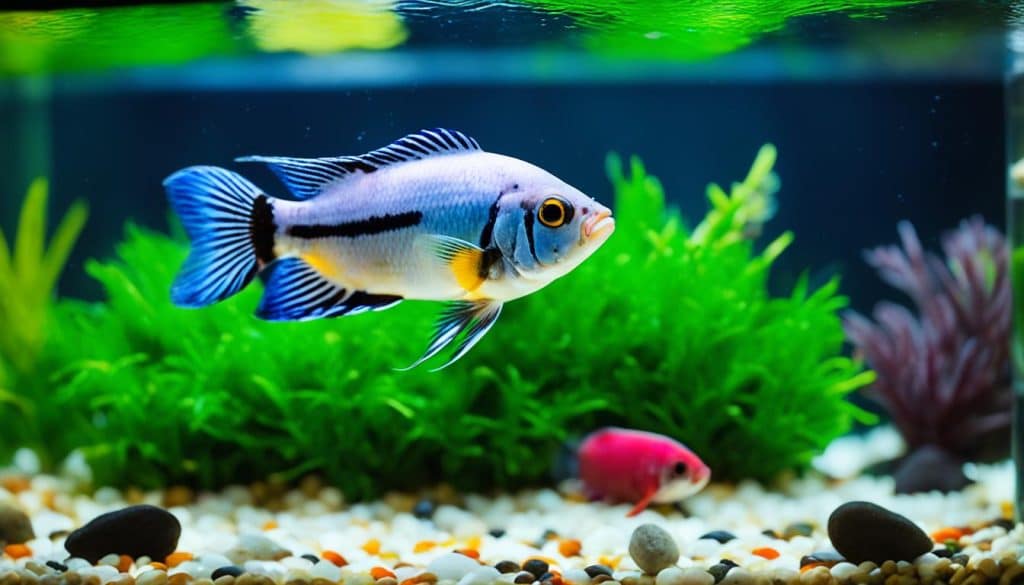
When it comes to caring for your oscar fish, it’s important to understand their unique behaviors. By gaining insight into their behavior patterns, you can provide them with a harmonious and enriching environment.
Oscar fish are known for their social interactions and territorial nature. They have a hierarchy within their group, which means that conflicts may arise, especially in overcrowded tanks. It’s essential to ensure that you provide enough space for each fish to establish their territory.
Aggression: Oscar fish can display aggressive behavior, particularly during breeding or when they feel threatened. It’s crucial to monitor their interactions and observe any signs of aggression. These may include fin nipping, chasing, or aggressive posturing.
Creating a peaceful tank environment involves implementing strategies to reduce aggression. One effective method is to provide plenty of hiding spots and visual barriers. This can be achieved by adding rocks, plants, or other decorations that break up the line of sight within the tank.
Another important aspect of oscar fish behavior is their feeding habits. These fish are known to be voracious eaters and may show excitement during feeding time. Observing their feeding behavior can help you ensure that each fish is receiving the appropriate amount of food.
Common Behaviors:
- Flaring their fins
- Head shaking
- Digging or rearranging substrate
- Exploring the tank
- Displaying vibrant colors
These behaviors are natural for oscar fish and indicate their well-being. However, if you notice any sudden changes in behavior, such as lethargy, loss of appetite, or unusual aggression, it may be a sign of stress or illness. Monitoring their behavior regularly can help you detect any issues early and take appropriate action.
Understanding oscar fish behavior is crucial for their care and well-being. By providing a suitable tank environment and closely monitoring their interactions, you can create a harmonious and fulfilling home for your oscar fish.
Choosing Oscar Fish Tank Mates
When considering tank mates for your beloved Oscar fish, it is crucial to take their territorial and aggressive nature into account. Carefully selecting compatible fish species will help create a harmonious and stress-free environment in your aquarium. In this section, we will discuss the key factors to consider when choosing Oscar fish tank mates and provide valuable tips for successful cohabitation.
1. Tank Size: Ensure that your tank is spacious enough to accommodate multiple fish comfortably. A larger tank reduces aggression and provides ample swimming space for all inhabitants.
2. Compatibility: Opt for fish species known to coexist peacefully with Oscars. The ideal tank mates should possess similar temperaments and be able to withstand occasional bursts of aggression.
3. Size and Defense Mechanisms: Select tank mates that are similar in size to your Oscars to avoid power imbalances. Additionally, consider species that have their own defense mechanisms, such as fast swimming abilities or protective spines, to minimize potential conflict.
4. Water Parameters: Ensure that the water requirements of your chosen tank mates align with those of Oscar fish. Compatible species should thrive under similar temperature, pH, and water hardness conditions.
5. Bottom-Dwelling Species: Including bottom-dwelling fish species in your aquarium can help reduce aggression as they tend to inhabit different parts of the tank. Opt for peaceful catfish varieties like Plecos or Corydoras.
6. Schooling Fish: Certain types of schooling fish can serve as excellent tank mates for Oscars. Tetras, Danios, and Barbs are known to peacefully coexist and can add movement and color to your tank.
7. Introducing Tank Mates: When introducing new fish to your Oscar’s tank, it is best to rearrange the existing decorations to disrupt territorial claims. Additionally, closely monitor interactions and be prepared to separate any fish showing signs of excessive aggression or stress.
8. Observe Behavior: Regularly observe the behavior of all tank inhabitants to ensure everyone is thriving. Keep an eye out for signs of aggression, stress, or bullying, and be ready to make necessary adjustments if conflicts arise.
By following these tips and carefully selecting suitable tank mates, you can create a harmonious underwater community with your Oscar fish. Remember that each fish has unique personality traits, and proper observation and adjustments are key to ensuring a successful tank mate selection.
Common Oscar Fish Diseases and Prevention
As responsible fish owners, it’s crucial to be aware of the common diseases that can affect our beloved oscar fish. By recognizing the symptoms and taking preventive measures, we can ensure the health and longevity of our aquatic friends. In this section, we will discuss some of the most prevalent oscar fish diseases and provide tips for prevention.
1. Hole in the Head Disease
- Symptoms: Small pits or holes around the head region, reduced appetite, weight loss, and a lack of energy.
- Prevention: Maintain excellent water quality, provide a well-balanced diet, and ensure proper filtration and regular water changes.
2. Ich (White Spot Disease)
- Symptoms: White spots resembling grains of salt on the fish’s body, excessive scratching against objects, rapid breathing, and clamped fins.
- Prevention: Quarantine new fish before introducing them to the main tank, maintain stable water parameters, and avoid temperature fluctuations.
3. Fin Rot
- Symptoms: Tattered, frayed, or disintegrating fins, inflammation, reddening or blackening of the fins, and a deterioration in overall appearance.
- Prevention: Ensure proper water hygiene, avoid overcrowding the tank, and regularly inspect the fish for signs of injury or stress.
4. Swim Bladder Disorder
- Symptoms: Difficulty swimming or maintaining balance, floating upside down or sinking to the bottom, and lack of appetite.
- Prevention: Provide a well-balanced diet, avoid overfeeding, and ensure the fish have access to a variety of foods.
Breeding Oscar Fish: Tips and Guidelines
If you’re interested in breeding oscar fish, you’ve come to the right place. Breeding these beautiful fish can be a rewarding and fascinating experience. In this section, we will provide you with valuable tips and guidelines to help you successfully breed oscar fish. From understanding their breeding behaviors to creating the ideal tank conditions, we’ve got you covered.
1. Breeding Behaviors
Before diving into the breeding process, it’s essential to familiarize yourself with the typical behaviors exhibited by oscar fish during the breeding season. Males may become more aggressive, establishing and defending their territory. Females may show signs of darkening and develop a wider abdomen. These behaviors indicate that your oscar fish are ready to breed.
2. Tank Requirements
To facilitate successful breeding, it’s crucial to provide the right tank conditions. Ensure your breeding tank is spacious enough for the adult pair, typically around 70-90 gallons. Maintain the water temperature between 78-82°F (25-28°C) and the pH level between 6.5-7.0. Use a good filtration system to maintain water quality and ensure proper oxygenation.
3. Spawning Process
During the spawning process, the male oscar fish will choose a suitable area to lay their eggs, usually on a flat surface or a cleaned rock. The female will then lay her eggs, and the male will fertilize them. After fertilization, both parents will guard and care for the eggs together. The eggs will hatch within 2-3 days, depending on the temperature.
4. Caring for Fry
Once the fry hatch, they will initially survive on their yolk sacs. Gradually, they will start swimming and require additional nourishment. Offer them newly hatched brine shrimp or powdered commercial fry food in small quantities several times a day. Keep the tank clean and monitor the water parameters carefully to ensure the fry’s well-being.
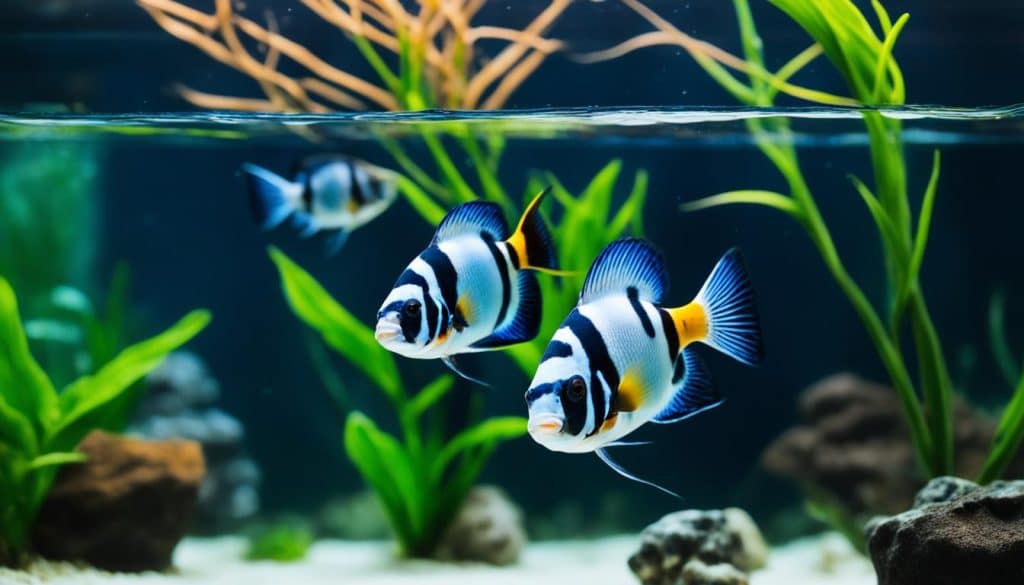
By following these tips and guidelines, you can increase your chances of successfully breeding oscar fish. Remember to observe and understand their breeding behaviors, provide the appropriate tank conditions, and care for the fry diligently. Breeding oscar fish can be a rewarding experience, allowing you to witness the miracle of life right in your own aquarium.
Conclusion
In conclusion, by following the tips and guidelines in this Oscar Fish Care Guide, you can ensure the well-being and happiness of your vibrant oscar fish. Providing a proper tank setup is essential for creating a comfortable environment for your fish to thrive.
Remember to consider the ideal tank size, maintain the appropriate water parameters, and invest in a reliable filtration system to keep the water clean and healthy. Adding suitable decorations will not only enhance the aesthetic appeal of the tank but also provide hiding spots and enrichment for your oscar fish.
Additionally, understanding the feeding habits and nutritional needs of your oscar fish is crucial. Offer a varied diet of high-quality flakes, pellets, and frozen foods to ensure they receive all the essential nutrients they require. Regular feeding and monitoring their behavior will help maintain a balanced and nutritious diet.
Lastly, it’s important to consider the social dynamics in your oscar fish tank. Pay attention to their behaviors, as oscar fish can exhibit aggression towards tank mates. Choose compatible fish species that can coexist peacefully and provide enough space for each fish to establish their territories.
With proper care, attention to detail, and a commitment to meeting their specific needs, your oscar fish will thrive and bring joy to your aquarium. So, what are you waiting for? Start implementing these guidelines and watch your oscar fish flourish!