Welcome to our comprehensive guide on how to create and maintain a lively tropical fish tank in your own home. At our upcoming LA Pet Fair, we are excited to showcase the beauty of tropical fish and provide you with all the information you need to care for them. Let’s dive into the world of tropical fishkeeping together!
Before we begin, let’s define a tropical fish tank. It is an aquarium that houses fish species originating from warm, tropical waters with a temperature range of 72-82°F (22-28°C) and a pH range of 6.5-7.5. These fish display vibrant colors and unique patterns that make them popular among fishkeepers.
Key Takeaways:
- A tropical fish tank is an aquarium that houses fish species originating from warm, tropical waters.
- The temperature range for a tropical fish tank is 72-82°F (22-28°C) and the pH range is 6.5-7.5.
- Tropical fish display vibrant colors and unique patterns that make them popular among fishkeepers.
- At the LA Pet Fair, we provide information on creating and maintaining a vibrant tropical fish tank at home.
- For more information on the LA Pet Fair, you can reach out to us directly at (619) 281-PETS (7387) or apply to be one of our vendors at our next show: http://5k8.f16.mywebsitetransfer.com/vendorlist.
Choosing the Right Fish Tank Setup
When it comes to creating a vibrant tropical fish tank, choosing the right setup is essential. Here are some key factors to consider:
Tank Size
The size of your aquarium will depend on the number and size of fish you plan to keep. As a general rule of thumb, allocate 1 gallon of water per inch of fish. Keep in mind that some fish need plenty of swimming space, so opt for a larger tank if you plan to keep more active species.
Filtration Systems
A good filtration system is crucial for keeping your aquarium clean and healthy. There are three main types of filtration systems: mechanical, chemical, and biological. Mechanical filtration removes debris, chemical filtration removes toxins, and biological filtration breaks down waste into less harmful substances.
Lighting
Proper lighting is important for both the health of your fish and the growth of live plants. Most tropical fish need 8-12 hours of light per day. Consider investing in a timer to regulate your aquarium’s light cycle and prevent overexposure.
Heating
Most tropical fish require a water temperature between 76-82°F. Invest in a reliable aquarium heater to maintain a consistent temperature. Keep in mind that temperature fluctuations can be stressful for your fish and may cause health issues.
Aquarium Types
There are several types of aquariums to choose from, including standard tanks, bow-front tanks, and open-top tanks. Consider your space and budget when choosing the right aquarium type for you. Keep in mind that larger aquariums are often more stable and easier to maintain.
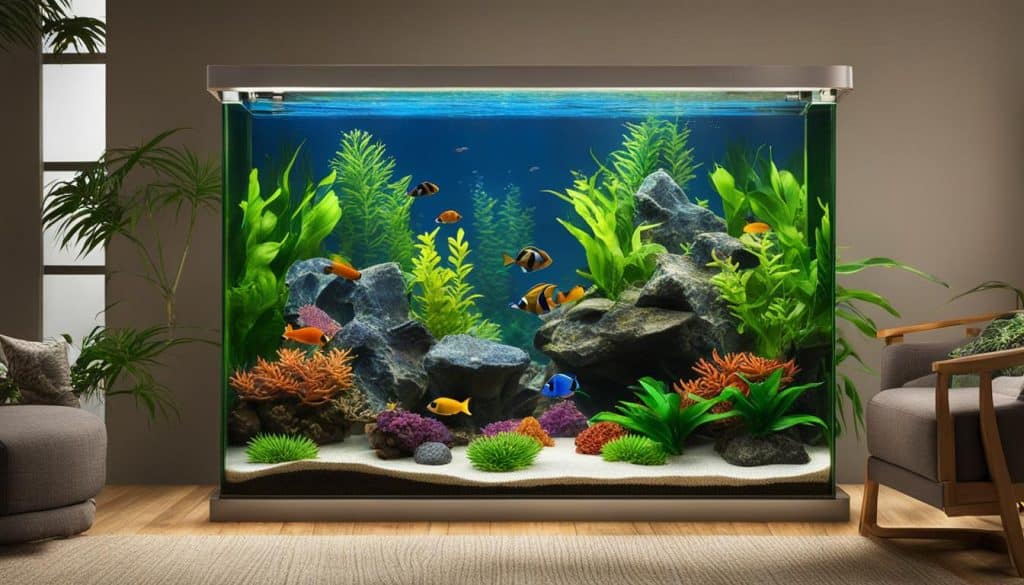
With these tips in mind, you can create the perfect environment for your tropical fish to thrive. Remember, proper fish tank setup is a crucial first step for a healthy and vibrant aquarium. For more information on the LA Pet Fair, reach out to us at (619) 281-PETS (7387) or apply to be one of our vendors at our next show at http://5k8.f16.mywebsitetransfer.com/vendorlist.
Essential Fish Tank Care Tips
Proper fish tank care and fish tank maintenance are essential for ensuring the well-being of your tropical fish and keeping your aquarium in optimal condition. Follow these expert tips to keep your tank healthy and vibrant.
Water Testing
Regular water testing is critical to ensure optimal water quality for your fish. Use a high-quality water testing kit to monitor pH, ammonia, nitrites, nitrates, and other essential parameters. Test your water weekly and adjust as needed to keep levels within the recommended ranges for your fish species.
Cleaning
Clean your fish tank regularly to remove excess waste and debris. Use a siphon or gravel vacuum to remove debris from the substrate, and wipe down the sides of the tank with a sponge or scraper. Change 25-50% of the water every 1-2 weeks, or as needed based on your water testing results.
Feeding
Feed your fish a balanced and varied diet to ensure their nutritional needs are met. Offer a mix of flake, pellet, and freeze-dried foods, as well as fresh or frozen treats such as bloodworms or brine shrimp. Avoid overfeeding, as excess food can contribute to poor water quality and health problems for your fish.
Equipment Maintenance
Regular equipment maintenance is key to ensuring the long-term health and performance of your aquarium. Follow the manufacturer’s instructions for cleaning and maintaining your filter, heater, and other equipment. Replace any worn or damaged parts as needed to prevent malfunctions.
Monitoring Your Fish
Keep a close eye on your fish for signs of stress, illness, or other health issues. Look for unusual behavior, such as hiding, lethargy, loss of appetite, or abnormal swimming patterns. Treat any health problems promptly to prevent them from spreading to other fish.
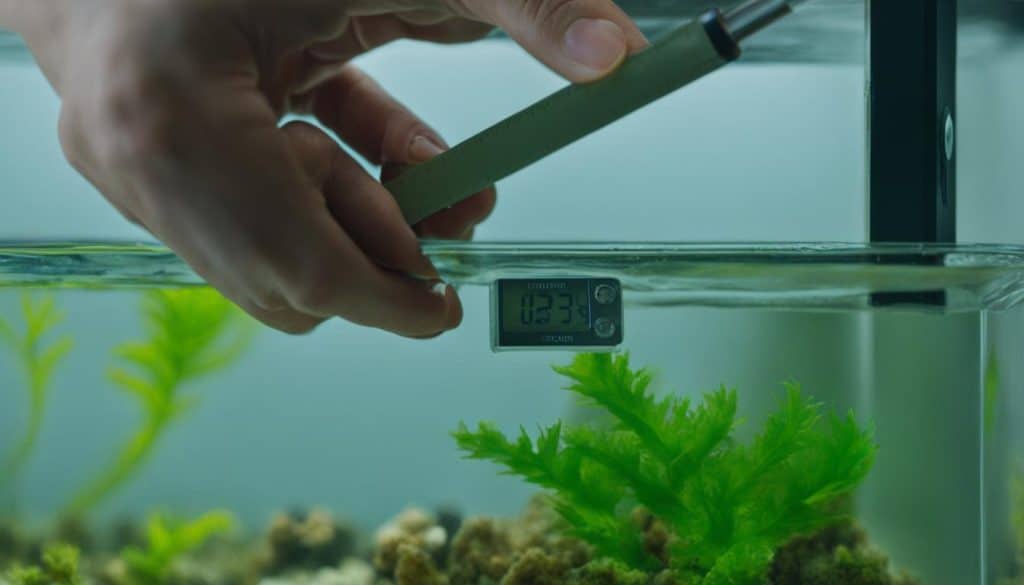
Tip: Regular maintenance, attention to water quality, and a balanced diet are key to creating a healthy and thriving tropical fish tank.
For more information on fish tank care or to become a vendor at our upcoming LA Pet Fair, please contact us directly at (619) 281-PETS (7387) or visit our website at http://5k8.f16.mywebsitetransfer.com/vendorlist.
Must-Have Fish Tank Accessories
When it comes to creating a vibrant and visually appealing tropical fish tank, the right accessories can make all the difference. From substrate and decorations to plants and pumps, these additional items can enhance both the look and functionality of your aquarium.
Gravel or Substrate
The bottom of your tropical fish tank can be just as important as the fish and water. Gravel or substrate can provide a natural look and feel to your aquarium, as well as anchor plants and provide a home for helpful bacteria. Choose aquarium-grade gravel or sand, as regular gravel or sand can contain harmful minerals or chemicals.
Decorations
Adding decorations such as rocks, driftwood, or artificial coral can not only make your fish tank look more vibrant but can also provide hiding places for your fish and even aid in the filtration process.
Plants
Live plants can offer a variety of benefits to your tropical fish tank, including oxygenation, natural filtration, and even food for some fish. Consider adding easy-to-care-for plants such as Java Fern or Anubias to your aquarium.
Pumps
Aquarium pumps can help aerate the water, improve water circulation, and provide additional filtration. Choose the right size and type of pump for your tank, based on the tank’s volume and the number and type of fish you have.
| Accessories | Benefits |
|---|---|
| Gravel or Substrate | Provides a natural look and feel, anchors plants, and provides a home for helpful bacteria |
| Decorations | Makes your fish tank more vibrant, offers hiding places for fish, and aids in filtration |
| Plants | Offers oxygenation, natural filtration, and even food for some fish |
| Pumps | Aerates water, improves water circulation, and provides additional filtration |
By choosing the right fish tank accessories, you can create a stunning and healthy ecosystem for your tropical fish to thrive in. For more information on tropical fish tanks or to become a vendor at our upcoming LA Pet Fair, reach out to us directly at (619) 281-PETS (7387) or apply through our website at lapetfair.com/vendorlist.
Exploring Tropical Fish Species
One of the most exciting parts of creating a tropical fish tank is choosing your fish! There are numerous tropical fish species to choose from, each with their own unique characteristics and care requirements. In this section, we’ll introduce you to some of the most popular tropical fish species to help you make an informed decision.
1. Neon Tetra
The neon tetra is a tiny, brightly colored fish that adds a pop of color to any aquarium. They are peaceful, easy to care for, and thrive in schools of six or more. Neon tetras prefer soft, slightly acidic water and should be kept with peaceful tank mates.
2. Guppy
Guppies are another popular choice for aquarium enthusiasts. They are small, active, and come in a variety of colors and patterns. Guppies are easy to care for and can be kept in tanks as small as 5 gallons. They are best kept in groups of three or more, and males should not be kept with aggressive fish that may damage their colorful tails.
3. Betta Fish
Betta fish, also known as Siamese fighting fish, are known for their vibrant colors and flowing fins. They are relatively easy to care for and can be kept in tanks as small as 2.5 gallons. However, they are territorial and should not be kept with other male bettas or fish with long flowing fins.
4. Angelfish
Angelfish are a larger species of tropical fish, often reaching 6 inches or more in length. They are popular for their unique shape and stunning colors. Angelfish can be kept in groups of three or more and prefer tall tanks with plenty of hiding places. It’s important to note that they can be aggressive towards smaller fish, so choose tank mates carefully.
5. Discus Fish
Discus fish are another larger species that require a bit more care than some of the other tropical fish species. They are known for their beautiful round shape and vibrant colors. Discus fish require a large tank, excellent water quality, and a varied diet. They should only be kept with peaceful tank mates.
Choosing the right combination of tropical fish species is crucial for creating a thriving and harmonious aquarium ecosystem. Be sure to research the specific care requirements and temperament of each species before adding them to your tank.
For more information on tropical fish species and setting up your aquarium, follow us on social media or email us at info@lapetfair.com. Also, don’t forget to check out our website to apply to be a vendor at our upcoming LA Pet Fair!
Conclusion
It’s been our pleasure to guide you through the process of creating and maintaining a vibrant tropical fish tank at home. We hope you found our tips and advice helpful in building an aquatic ecosystem that provides a healthy and stimulating environment for your fish.
One key element to maintaining the health of your fish tank is investing in high-quality fish tank filters. These devices play a vital role in removing waste and maintaining water quality, ensuring a healthy and happy home for your tropical fish.
If you have any questions or need further information about fish tank filters or any other aspect of tropical fishkeeping, don’t hesitate to reach out to us directly at (619) 281-PETS (7387). We’re always happy to help.
And if you’re interested in becoming a vendor at our upcoming LA Pet Fair, visit our website at lapetfair.com/vendorlist to apply. We’re always looking for passionate vendors to join us in celebrating the world of pets.
FAQ
What size fish tank should I choose?
The size of your fish tank will depend on the number and size of fish you plan to keep. Generally, a minimum of 20 gallons is recommended for tropical fish. However, larger tanks provide more stability and space for your fish to swim and thrive.
How often should I clean my fish tank?
Regular cleaning is important to maintain a healthy fish tank environment. We recommend performing a partial water change of 25% every 1-2 weeks and cleaning the glass and decorations as needed. Be sure to remove any excess food or waste to prevent water quality issues.
What should I feed my tropical fish?
Tropical fish generally thrive on a variety of high-quality commercial fish food. Look for specifically formulated tropical fish pellets or flakes that provide a balanced diet. Supplement their diet with occasional treats such as frozen or live foods like bloodworms or brine shrimp.
How do I choose the right lighting for my fish tank?
Lighting plays a crucial role in the health of your fish and the growth of aquatic plants. For tropical fish tanks, it’s best to select full-spectrum LED lights that can replicate natural daylight. Aim for 8-10 hours of light per day to mimic a natural day and night cycle.
Can I mix different species of tropical fish in one tank?
Yes, you can mix different species of tropical fish in one tank, but it’s important to consider their compatibility. Research the specific needs and temperaments of each species before introducing them to ensure they can coexist peacefully. Avoid mixing aggressive and peaceful fish together.